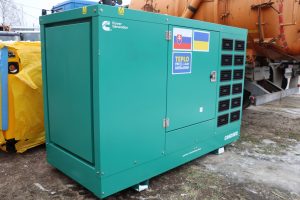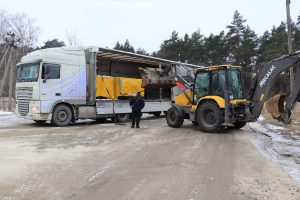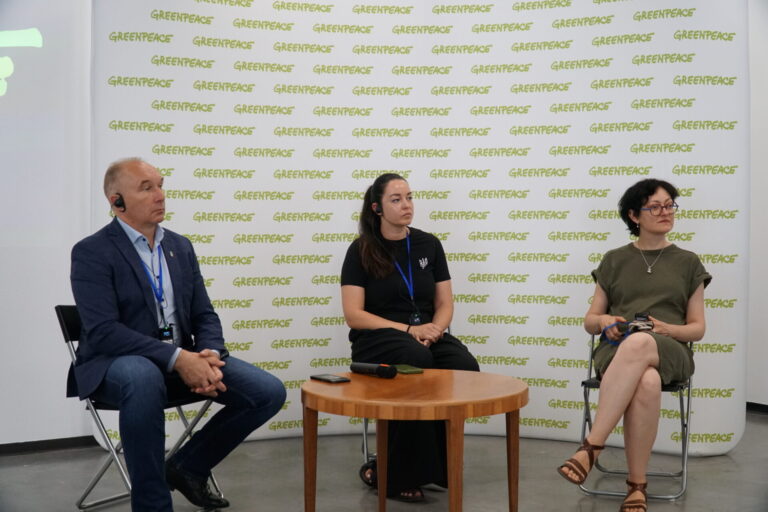

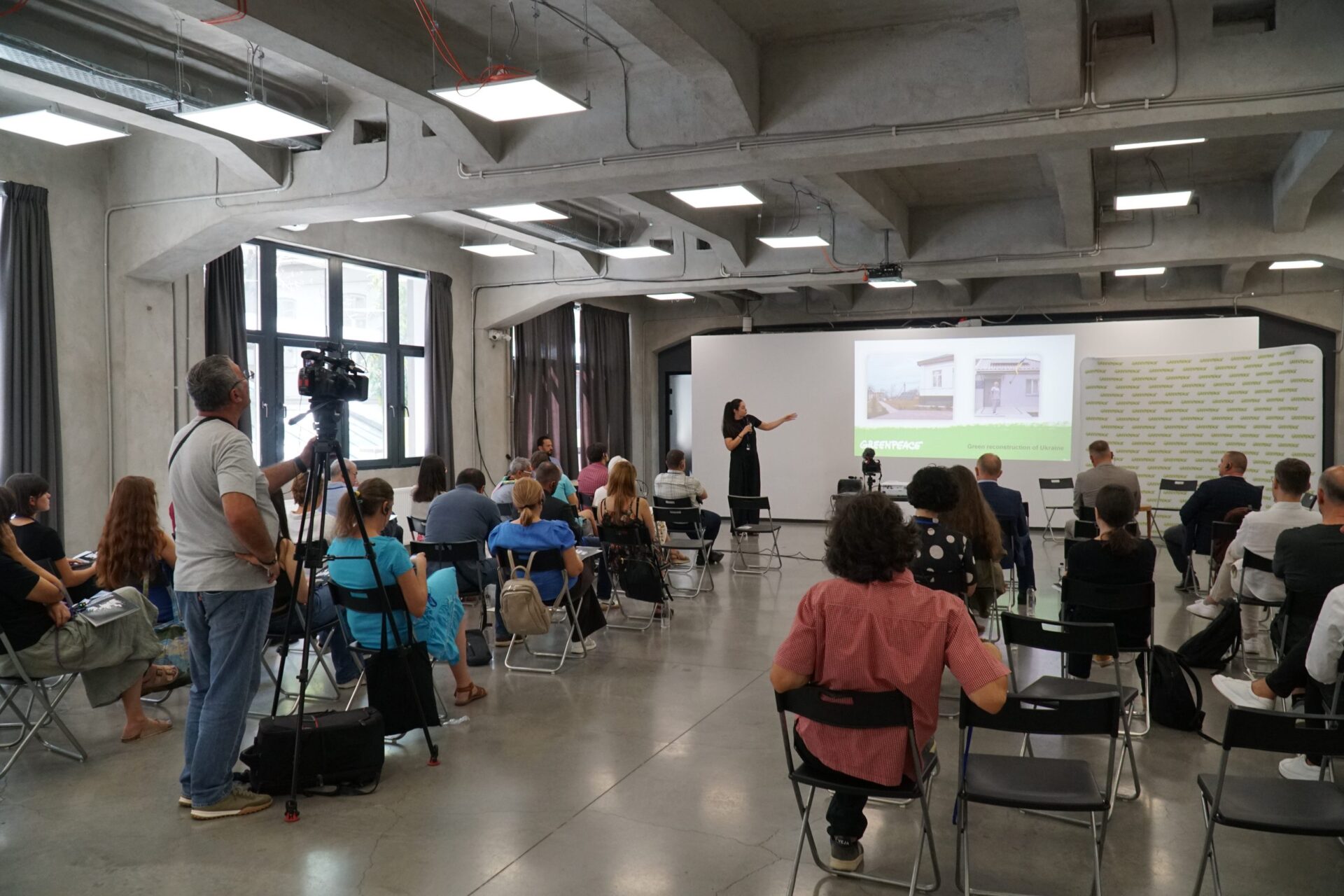
At a time when Romania’s energy sector is under pressure due to prolonged drought, extreme temperatures and dependence on centralized energy facilities, Greenpeace Romania organized the discussion “From instability to energy security: change starts at the local level”. The event took place in Bucharest on August 20, 2026. The main topic of discussion was the experience of energy stability of Ukraine and its communities during full-scale aggression by the Russian Federation and the lessons that Romania can learn from this experience.
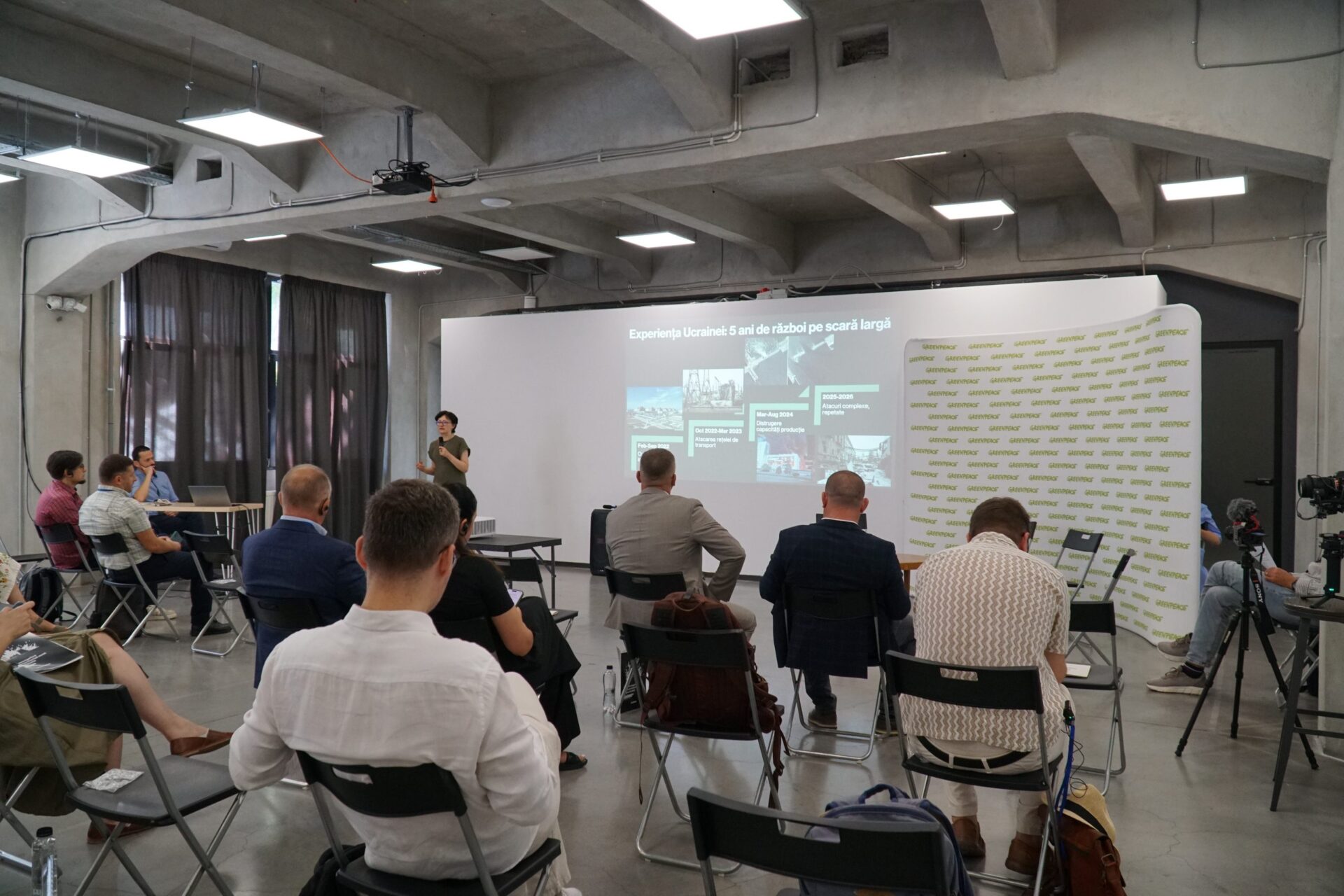
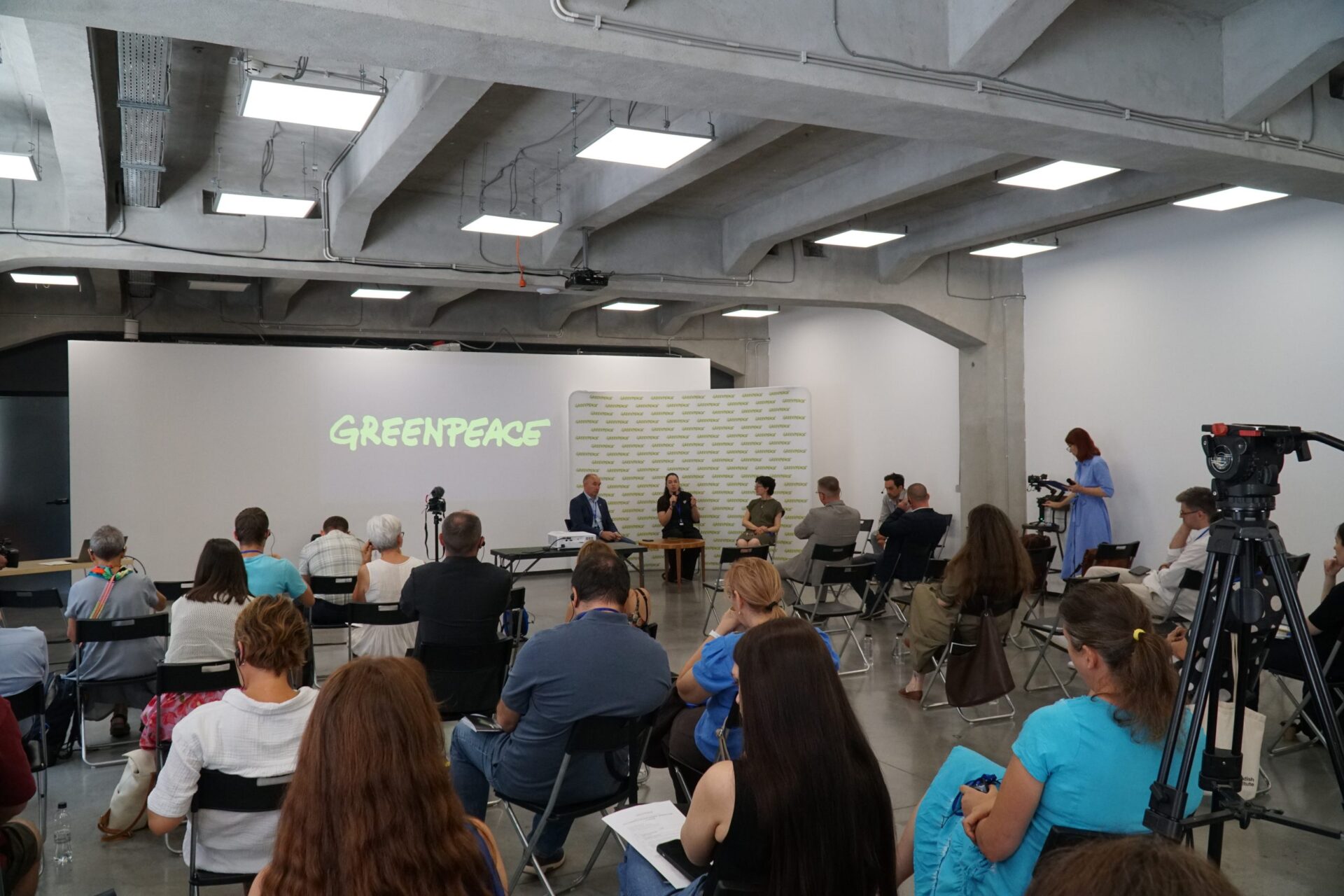
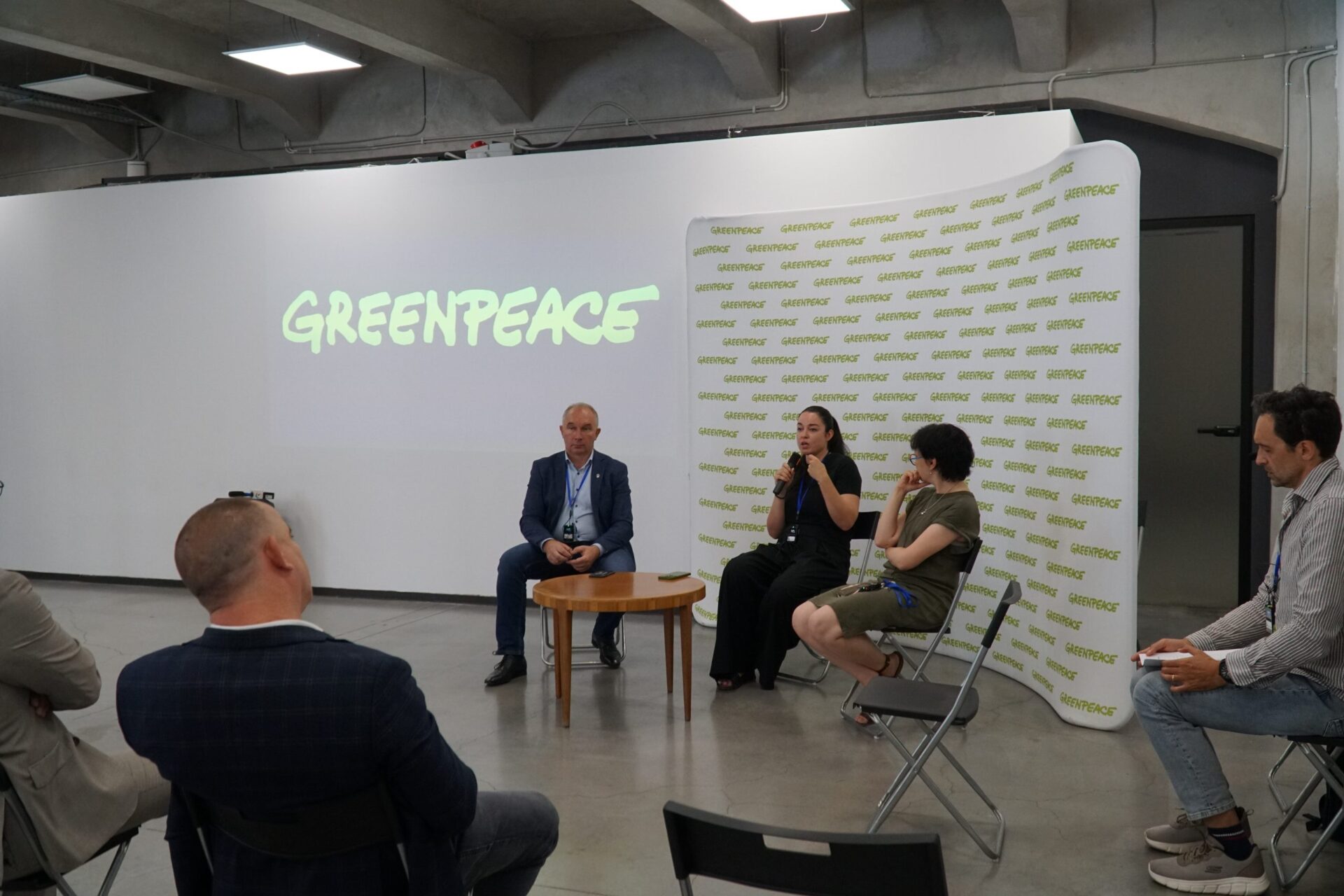
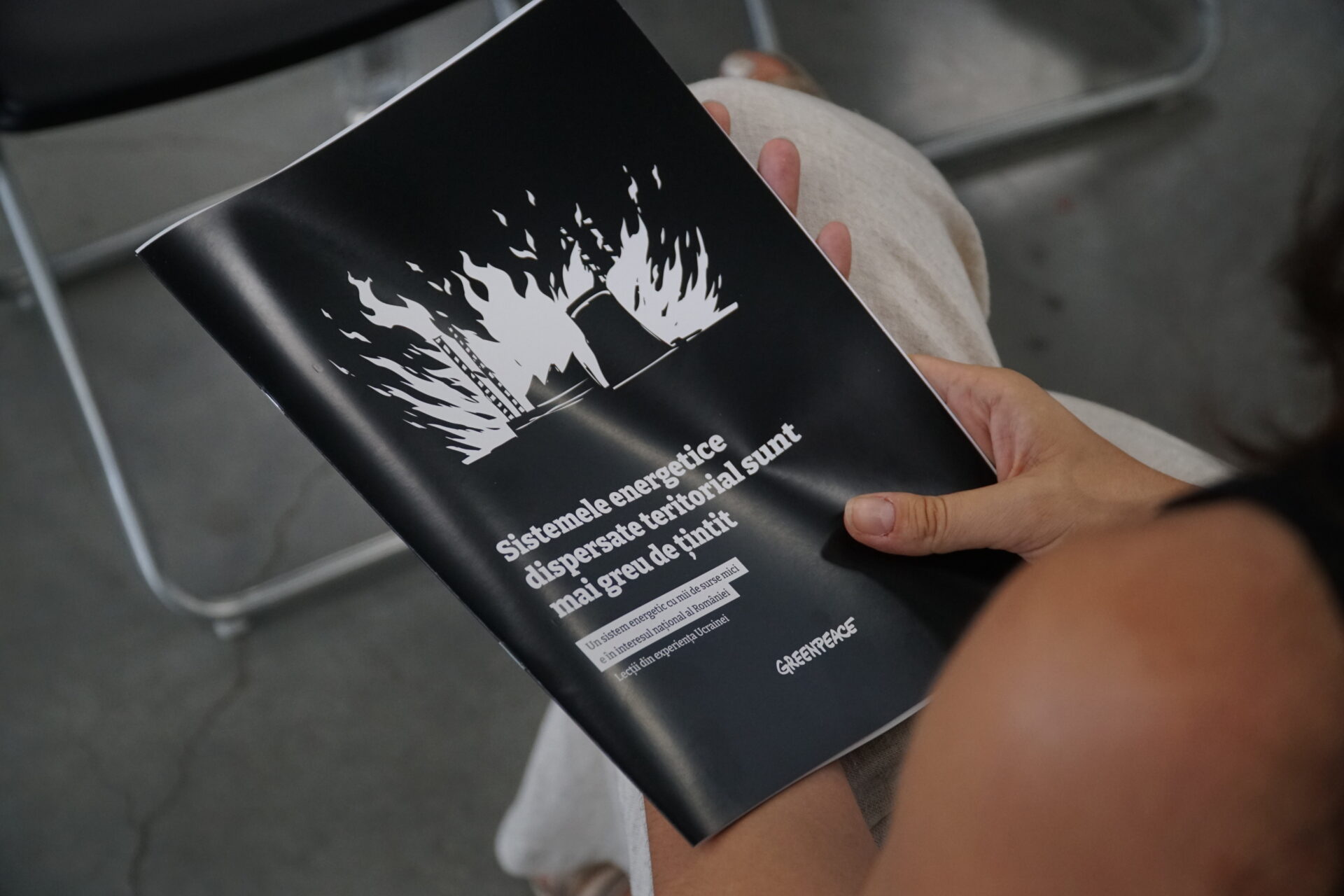
The discussion officially launched the report “Decentralized Energy Systems Are Harder to Target”, adapted by Romanian energy policy expert Ana Otilia Nucu.
The discussion brought together Romanian parliamentarians, analysts, civil society representatives, and mayors from Romania and Ukraine (including the community of Trostianets, Sumy region). Participants discussed the vulnerabilities of nuclear energy, centralized fossil-fuel-based generation systems, and how energy communities and local renewable energy sources can ensure independence and protect citizens in times of crisis.
The report notes that between 2022 and 2026, armed attacks in Ukraine destroyed nearly 90% of coal and gas generation systems and about 50% of hydropower capacity. This demonstrated that large power plants and substations are extremely vulnerable to targeted attacks.
In contrast, thousands of renewable energy installations and local energy storage systems have helped ensure the continuity of critical services and have proven to be much faster and cheaper to install, repair or replace.
“True energy security is not based on large fossil fuel infrastructure or risky drilling in the Black Sea, but on the ability of communities to produce, store and manage energy locally. Decentralized networks and energy communities cannot be taken down in a single blow. “The transition from a system based on large-scale production concentrated in a few points to thousands of clean energy sources distributed territorially means more independence and stability for every citizen,” said Vlad Cetsune, coordinator of climate and energy campaigns at Greenpeace Romania.
“The Ukrainian experience demonstrates as clearly as possible that a centralized system based on large generating facilities concentrated in a few points on the map increases the vulnerability of the state to prolonged crises and external shocks. Replacing coal with large traditional gas-fired power plants and expanding nuclear capacity only perpetuate this structural risk. Romania must realize that territorial decentralization, energy storage and renewable sources are not only climate goals, but also direct guarantees of national security,” stressed Ana Otilia Nucu, expert on public energy policy, Expert Forum.
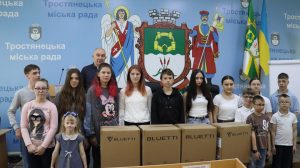
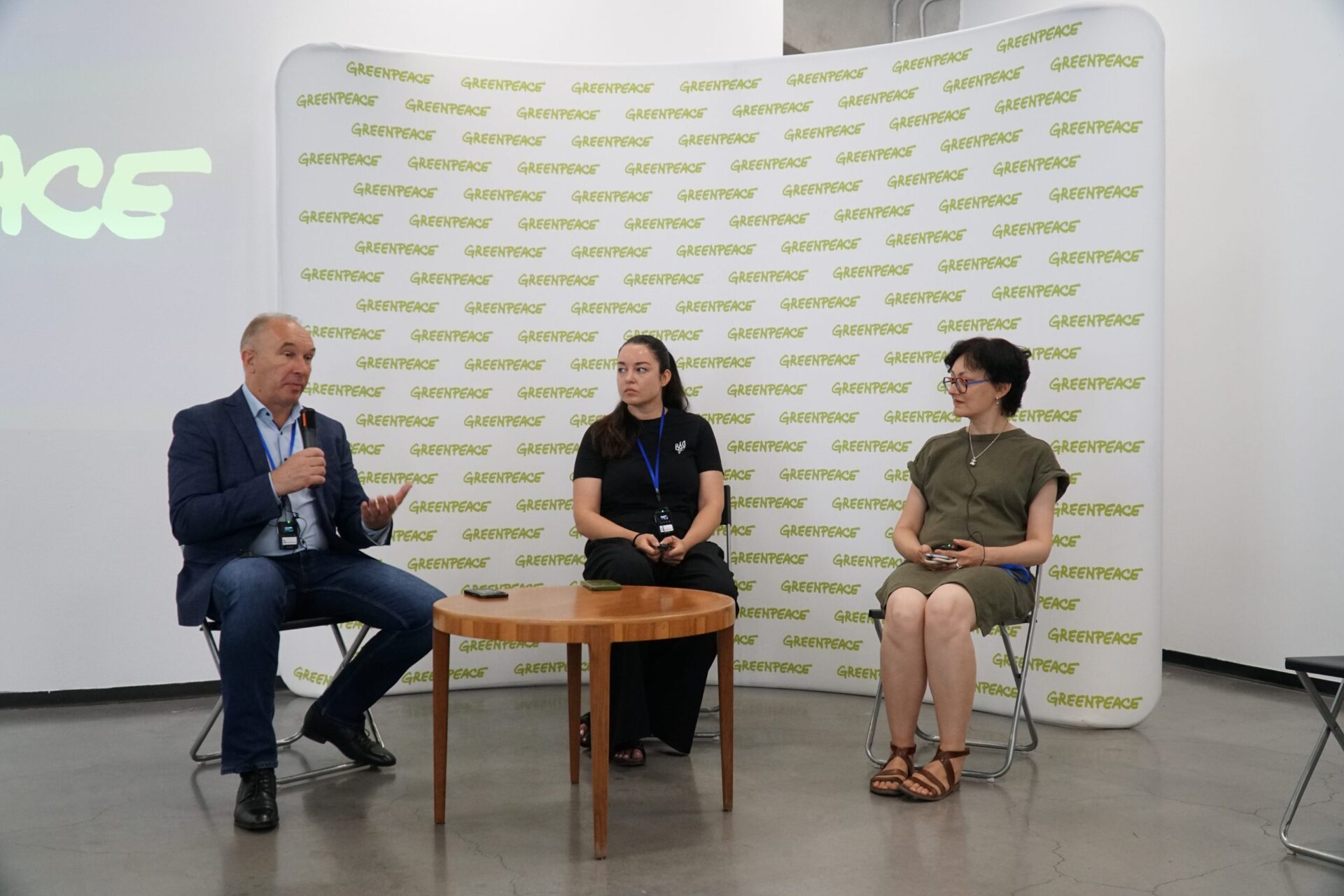
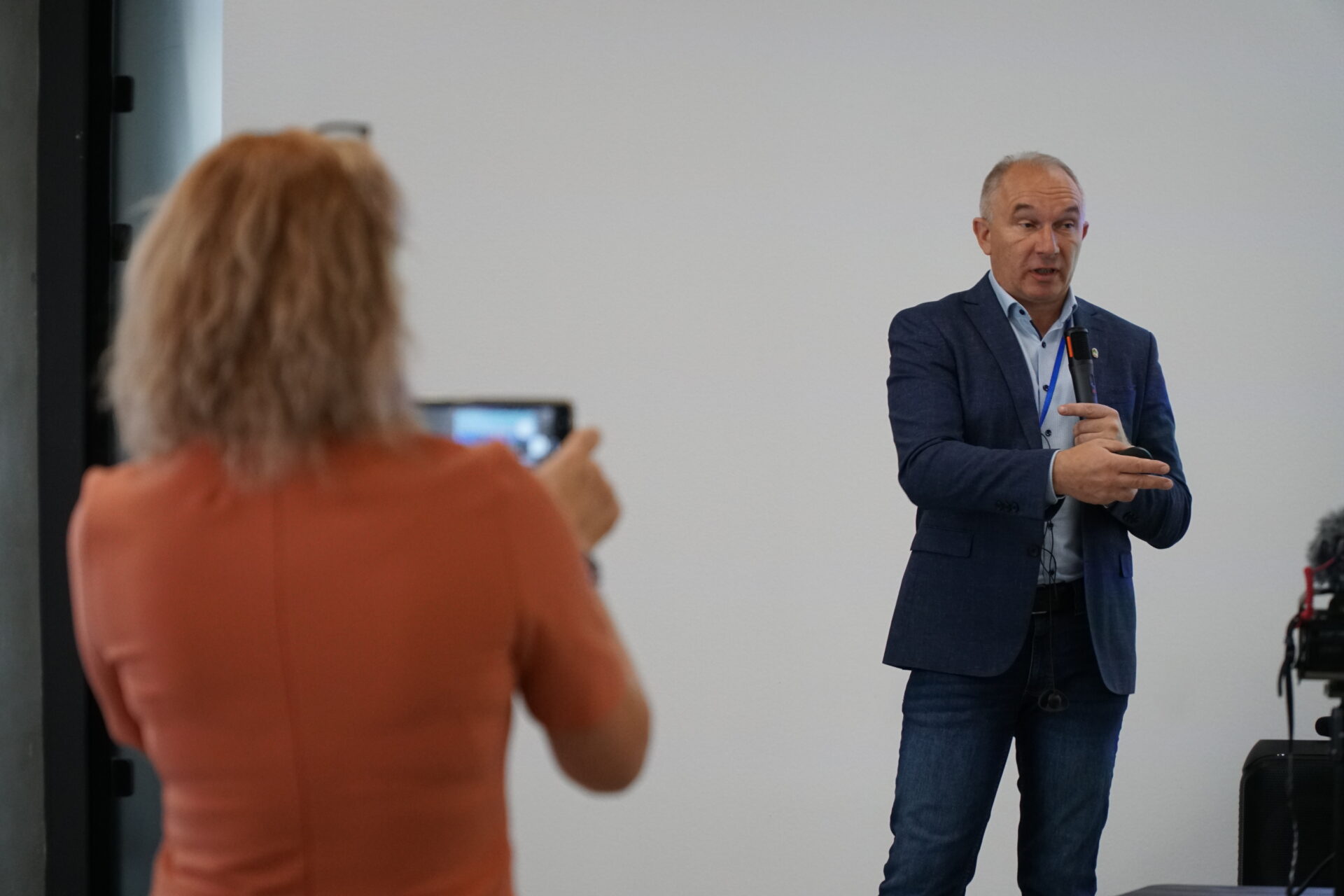
“When centralized infrastructure is attacked and large networks fail, local energy independence becomes a condition for survival. For hospitals, schools and other critical infrastructure in our city, solar panels and decentralized solutions have become the difference between darkness and the facilities continuing to operate. “Reconstruction must begin at the local level — with clean energy sources that immediately provide communities with resilience,” said Yuriy Bova, Mayor of Trostyanets, Sumy Oblast.
Key findings of the discussions
- Panel I — Resilience in times of crisis: lessons from Ukraine
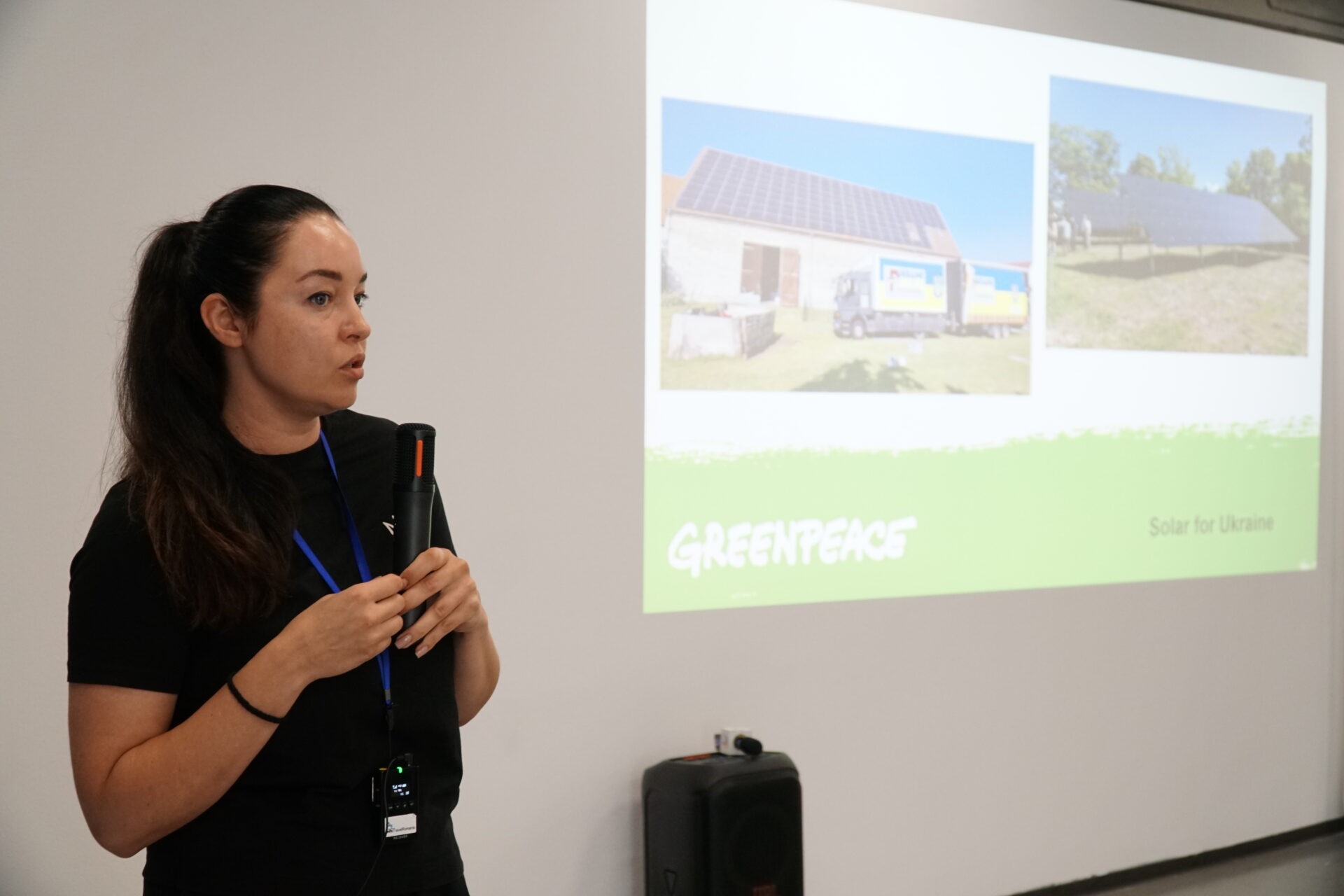
During the discussion, moderated by Ada Roseti, participants analyzed the data from the new report, and also heard a speech by Mayor Yuriy Bova on the green reconstruction of Trostianets and Polina Kolodizhna, Campaign Coordinator for Greenpeace Ukraine, who spoke about the key role of modular solar solutions in ensuring electricity supply during wartime. - Panel II — Energy communities in Romania
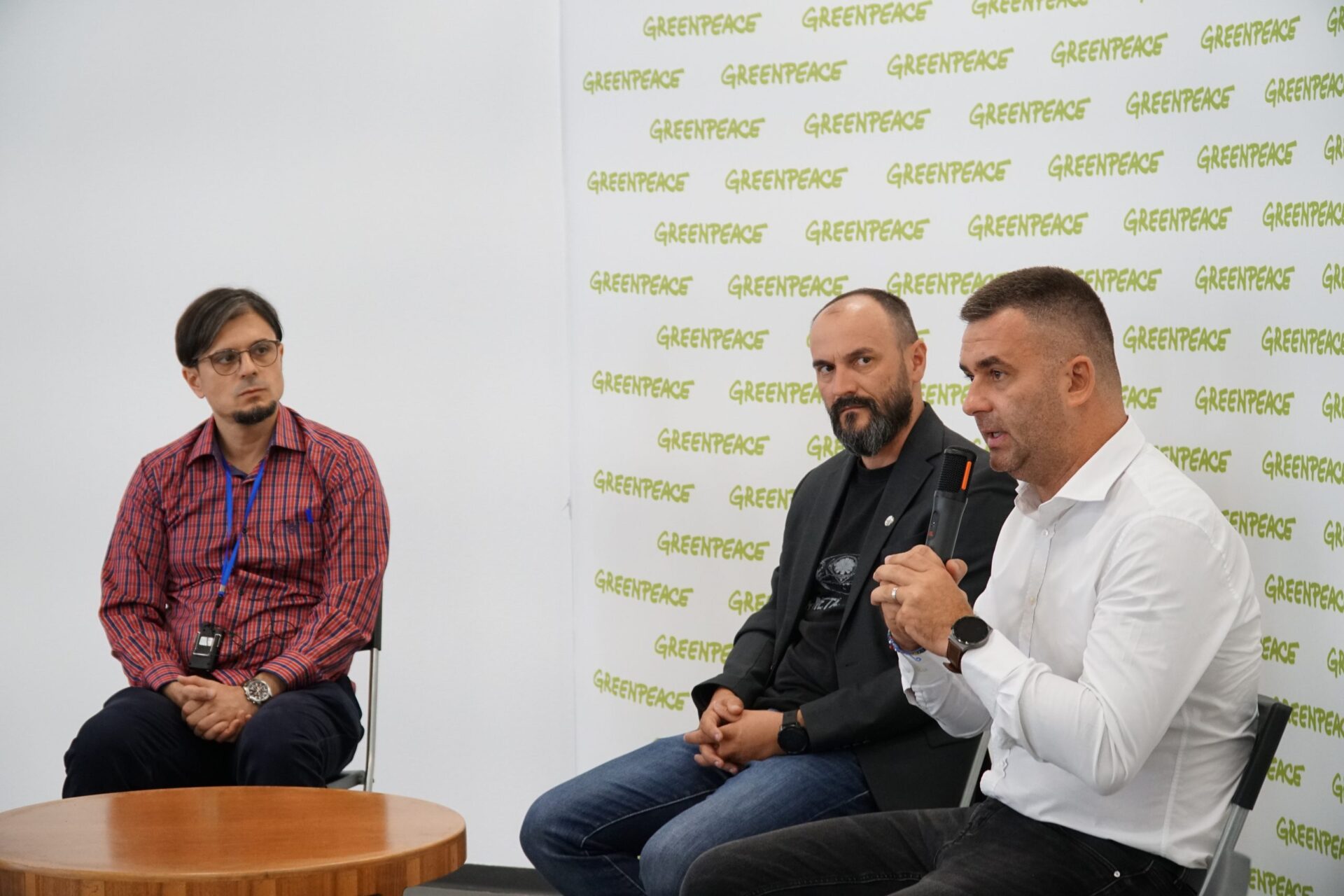
The session was dedicated to the implementation of the new legislative framework and the opportunities opened up by the Just Transition Program. Alexandru Kelemen from ADTI Valea Jiului presented plans to transform the mining region into a clean energy hub. Mircea Braic, Mayor of Buteni commune in Arad county, spoke about the direct benefits of energy efficiency for the local budget, while Andrei Creciun from Greenpeace Romania outlined the steps needed to ensure that citizens can easily share the energy they produce.
“Ukraine is learning in real time how to survive and maintain the operation of the energy system in the face of constant Russian attacks. We are going through this extremely painful experience and already know very well how important the resilience of the energy system is in times of crisis. We are ready to share these lessons with other countries and welcome the fact that they are already turning to Ukraine’s experience, rethinking their own energy security. After all, sustainable and decentralized energy is the ability of a country to remain strong even in the face of serious threats,” concluded Polina Kolodyazhna, Project Leader of Greenpeace Ukraine.