Ukraine needs energy: for day-to-day life, for the economy and to defend itself against attacks by Russia. GIZ offers long-term support to Ukraine to expand decentralised energy infrastructures and also provide rapid assistance.
The full-scale invasion has now been raging in Ukraine for more than four years. Energy systems are a particularly frequent target, as Russia is carrying out systematic attacks on power plants and substations. As a result, power outages regularly bring infrastructures to a standstill that are crucial for survival. The unstable energy and heat supply is a threat to the country’s population, economy and medical care.
Ukraine is therefore focusing more closely on decentralised renewable energy sources and smaller energy systems. They are difficult to attack, reduce the country’s dependency on oil and gas – and lay the foundation for a future-proof, decentralised energy supply. GIZ supports Ukraine with these efforts – and has reached around 7.7 million people since 2022, who now have power and heat again.
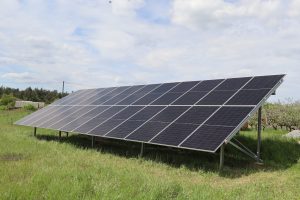
For this reason, one of the critical infrastructional facility in Trostyanets city hromada is now being equipped with solar panels and battery storage. It can thus remain operational even during power outages – and provide medical/social care for around 30,000 potential beneficiars.
Winter assistance 2025/26
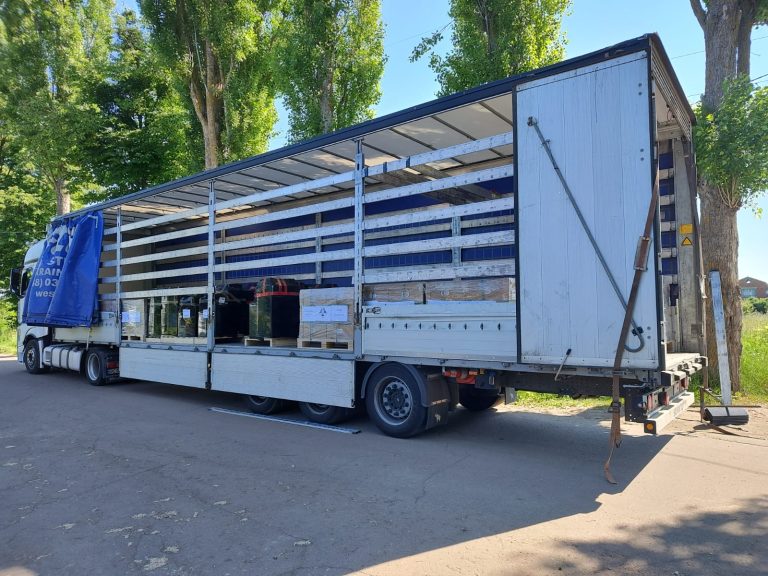
Delivery: equipment for the supply of power and heat, including 300 solar power systems, 375 battery storage devices, 17 modular boiler systems, 44 mobile boiler systems, 33 container-based combined heat and power units, 14 pellet systems, 15 hybrid generators, 45 construction vehicles
Procurement: 56 per cent of orders placed with German companies, 22 per cent with companies from other EU countries, 17 per cent from Ukraine with German products, 5 per cent from Türkiye
Beneficiaries: 2.29 million Ukrainians
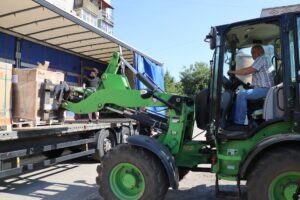
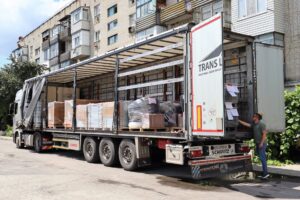
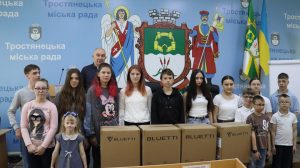
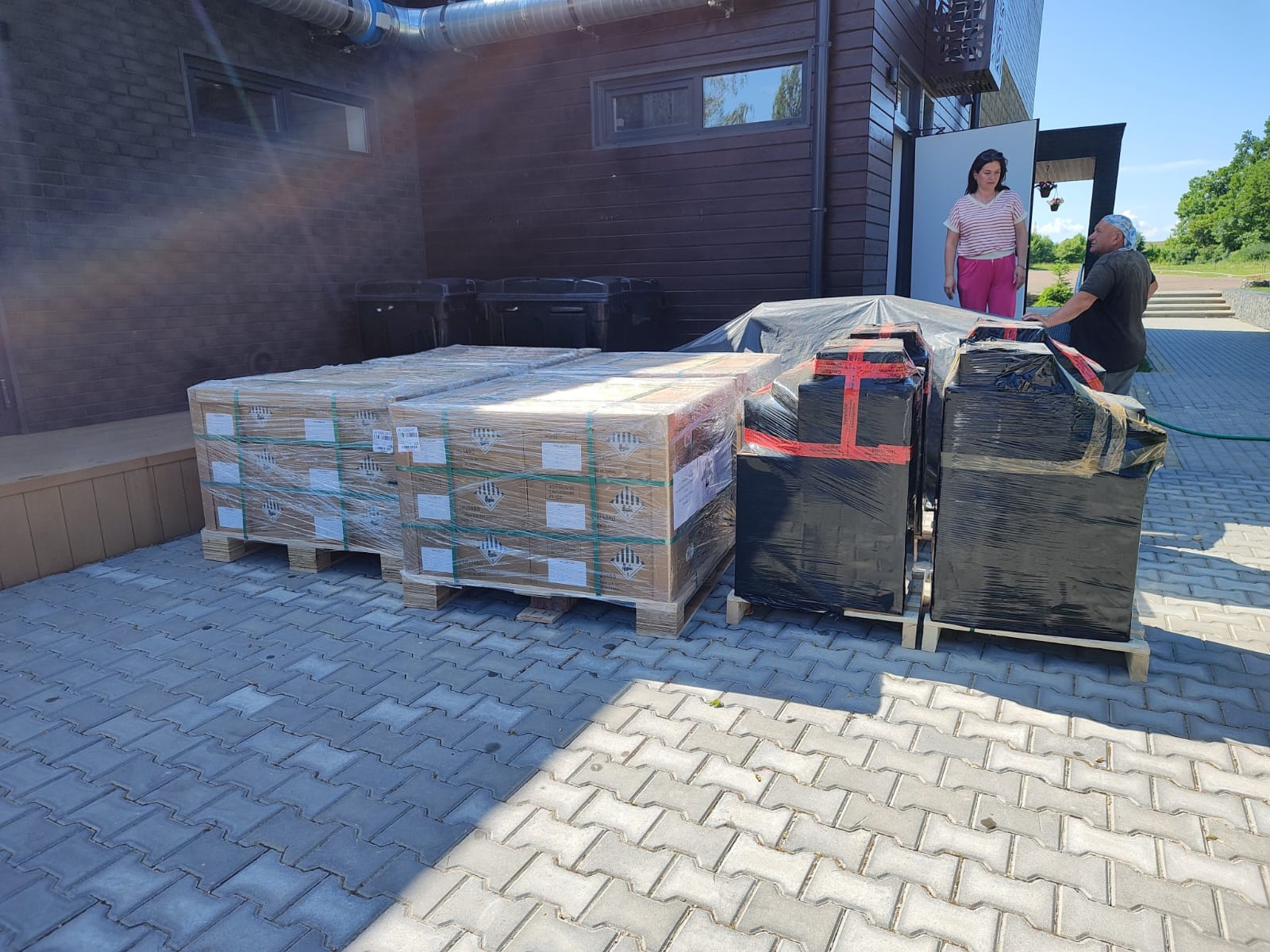
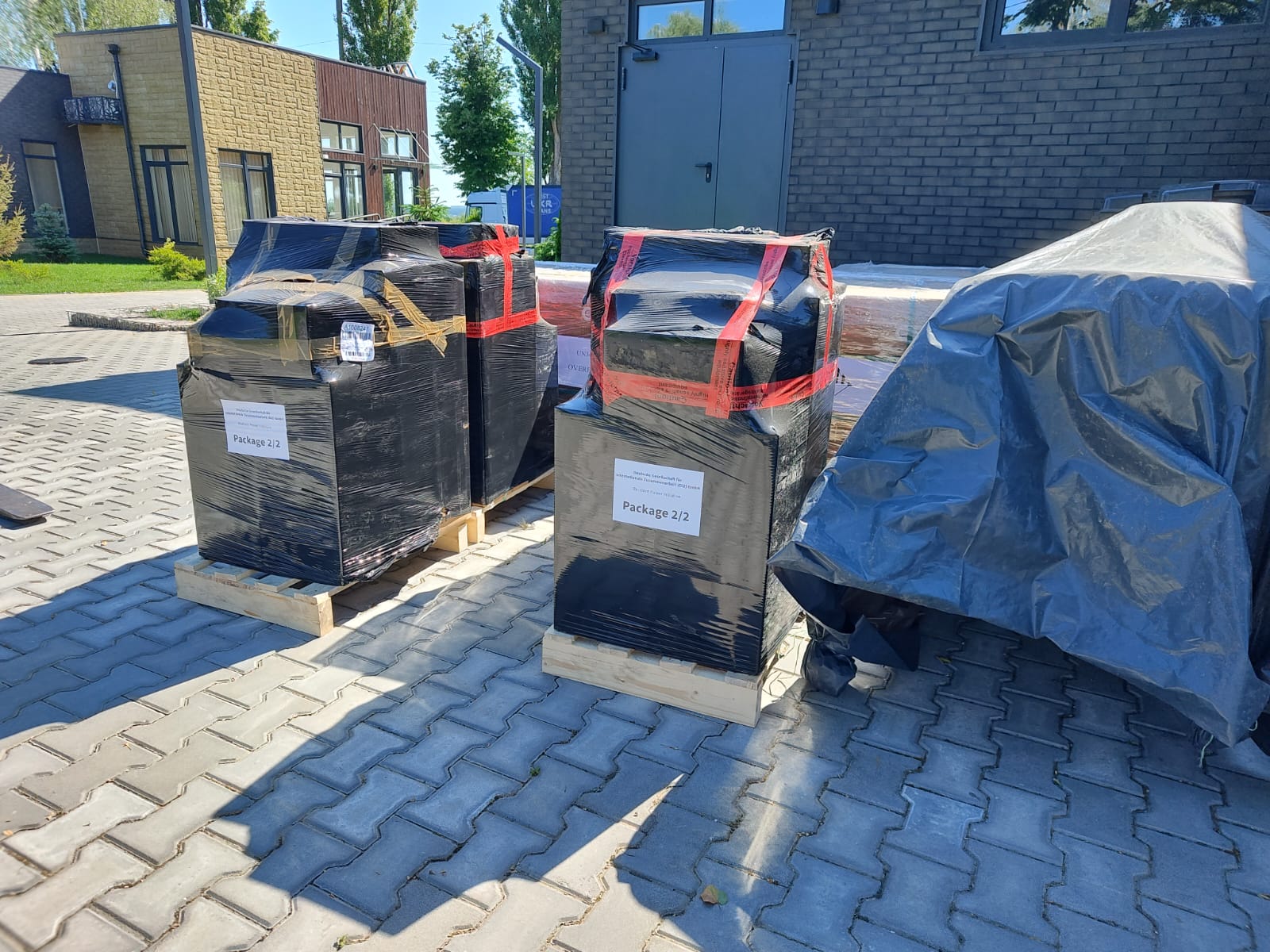
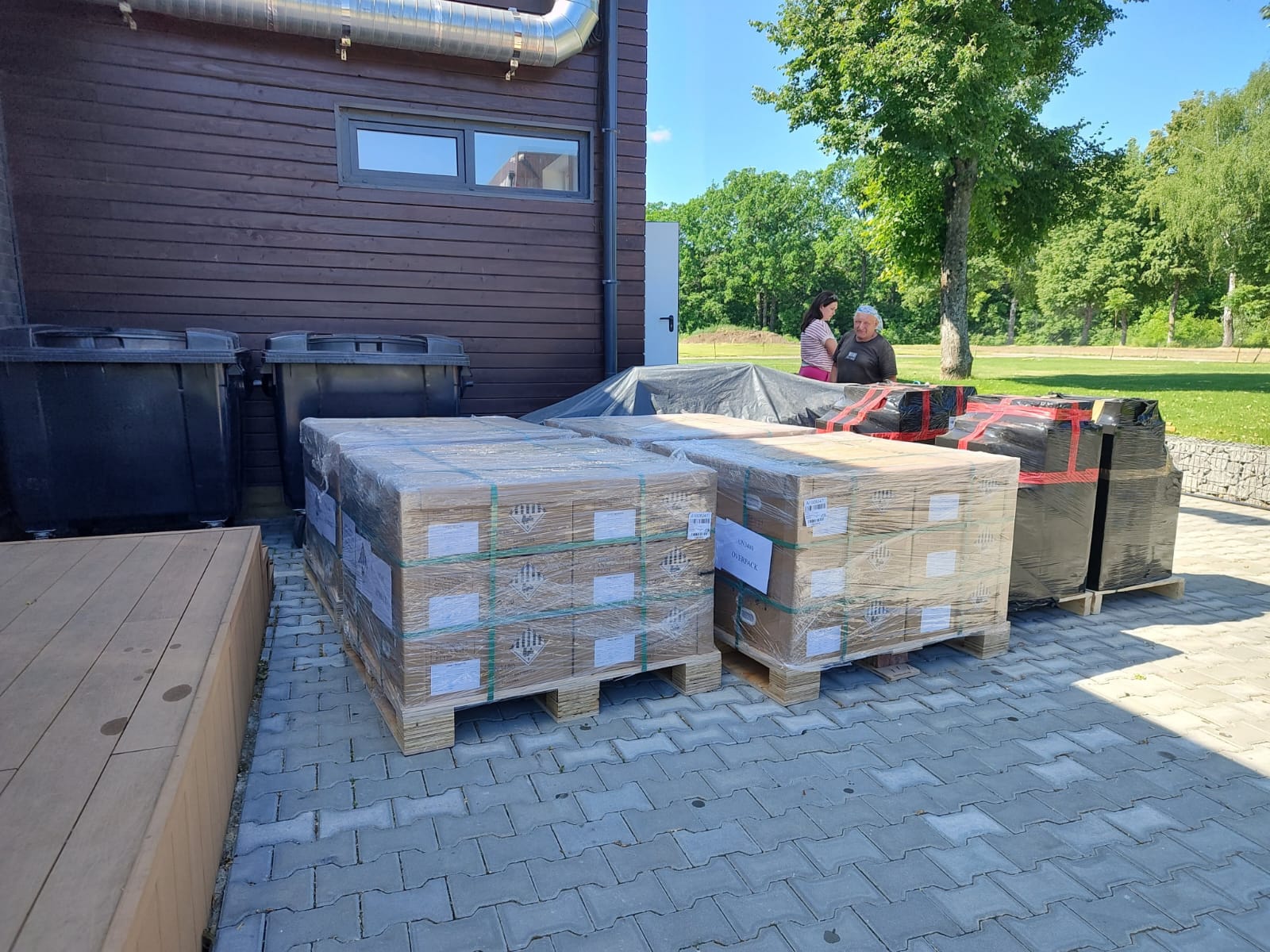
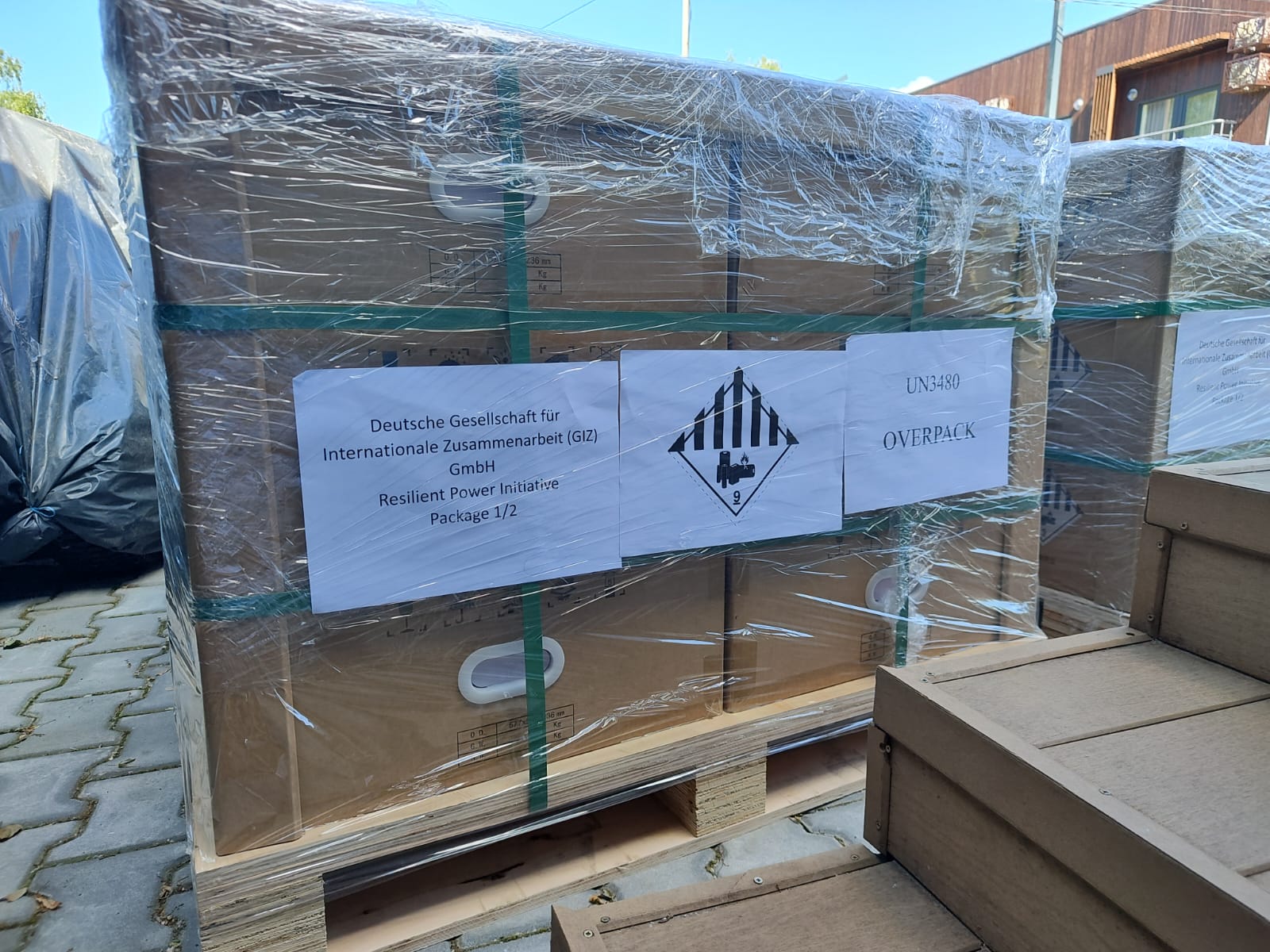
Today Trostyanets city hromada has received four sets of modern battery energy storage systems.
The energy storage systems will be installed at the Center for Internally Displaced Persons. The facility is designed to accommodate up to 100 people arriving in Trostyanets hromada from high-risk and frontline regions of Ukraine.
The new equipment will help ensure an uninterrupted power supply during emergency outages and blackouts, supporting the operation of lighting, heating systems, and other critical equipment. This is especially important for people who have already experienced forced displacement and require safe and comfortable living conditions.
We sincerely thank the Government of Germany for its support of our hromada, its care for internally displaced persons, and its significant contribution to strengthening the energy resilience of Trostyanets city hromada.
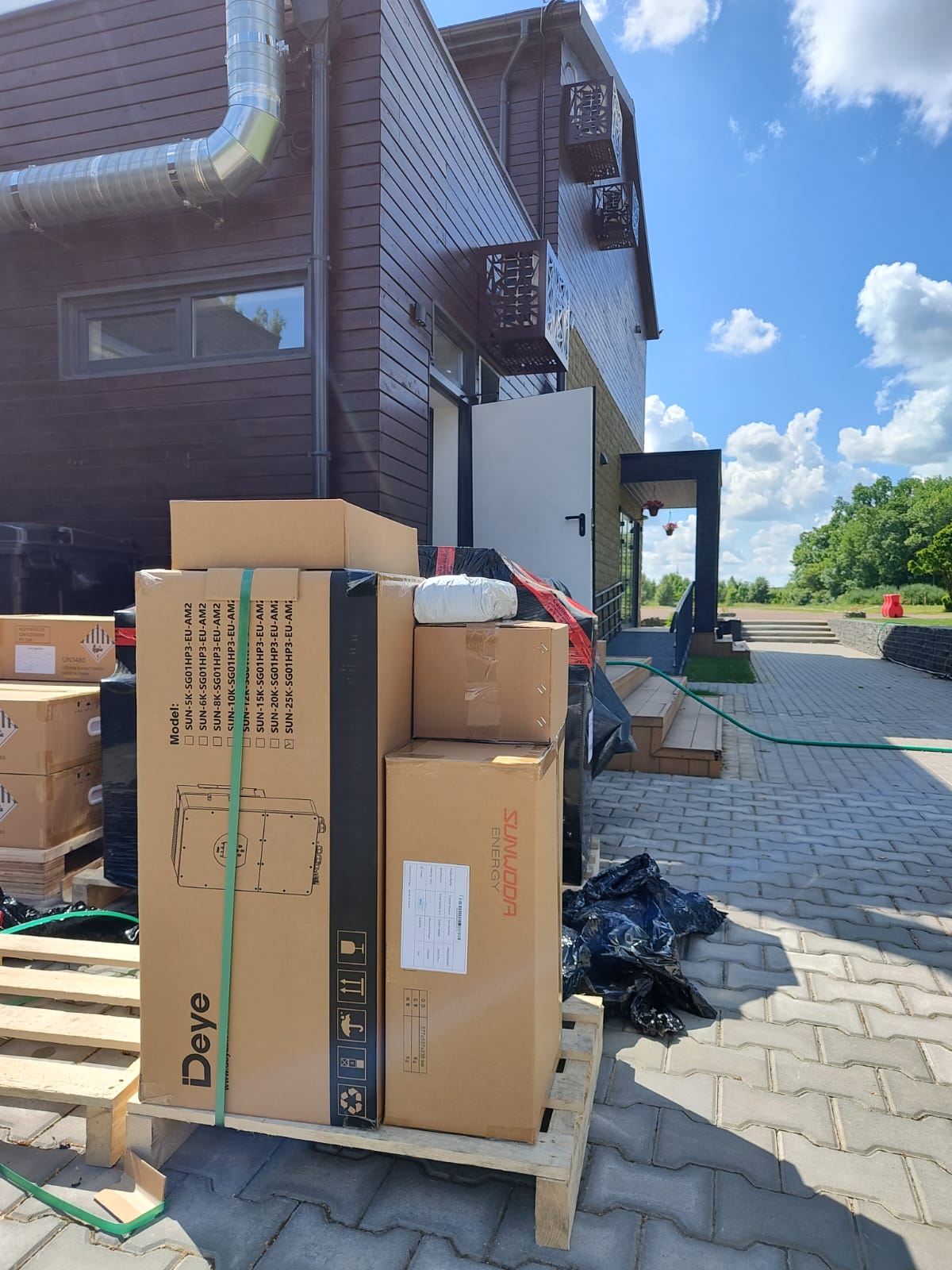
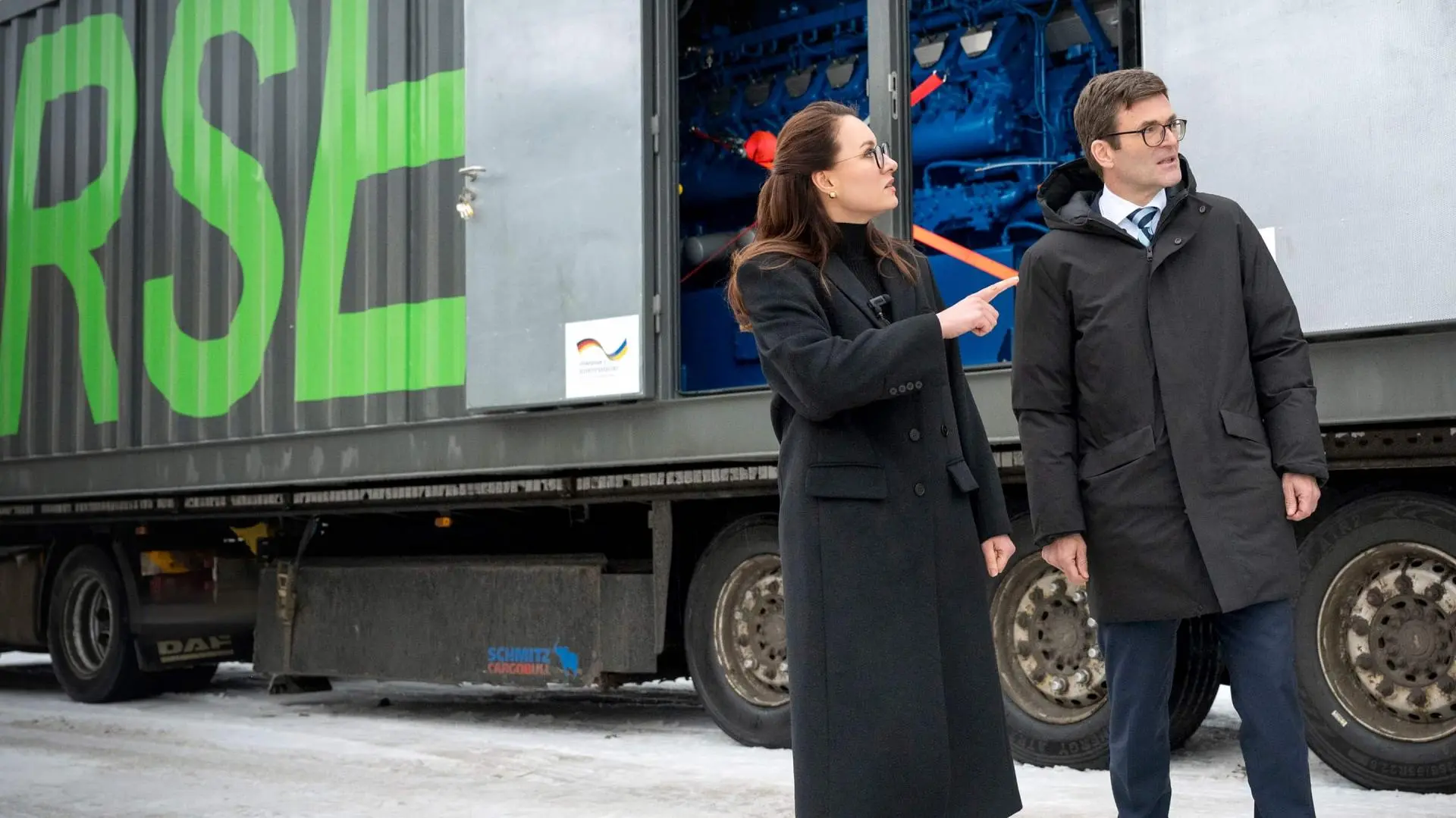
Such systems are intended to ensure uninterrupted and energy-independent heat supply during the next heating periods. Also, in the future, they can replace some diesel generators, which make corresponding sounds, dirt and require fuel.
We are grateful to our partners for their timely and necessary support! Uninterrupted and energy-independent heat supply in wartime conditions is the key to the city’s resilience.
GIZ’s approach is to work with communities to show them that quick temporary solutions can turn into long-term repairs and lower costs when combined with new low-carbon technologies. Renewable energy systems are affordable, quickly installed and deliver immediate savings, while strengthening energy security and reducing CO2 emissions – key goals of the Ukrainian government under the Ukraine Plan for 2022–2027.
In Sumy region, as in other border regions, energy infrastructure is one of the targets of attacks, so the restoration here aims to make systems less vulnerable, more autonomous and ready to operate during outages.
On behalf of the German government, GIZ is framing its support through the prism of green energy security and climate protection, so that these changes actually improve the lives of Ukrainians in the process of European integration. The focus is therefore on a fair and sustainable energy and climate transition for Ukraine. In Sumy region, one of the areas is strengthening critical infrastructure — primarily those services that must operate continuously even in the worst-case scenarios: medicine, water supply, and basic municipal services.
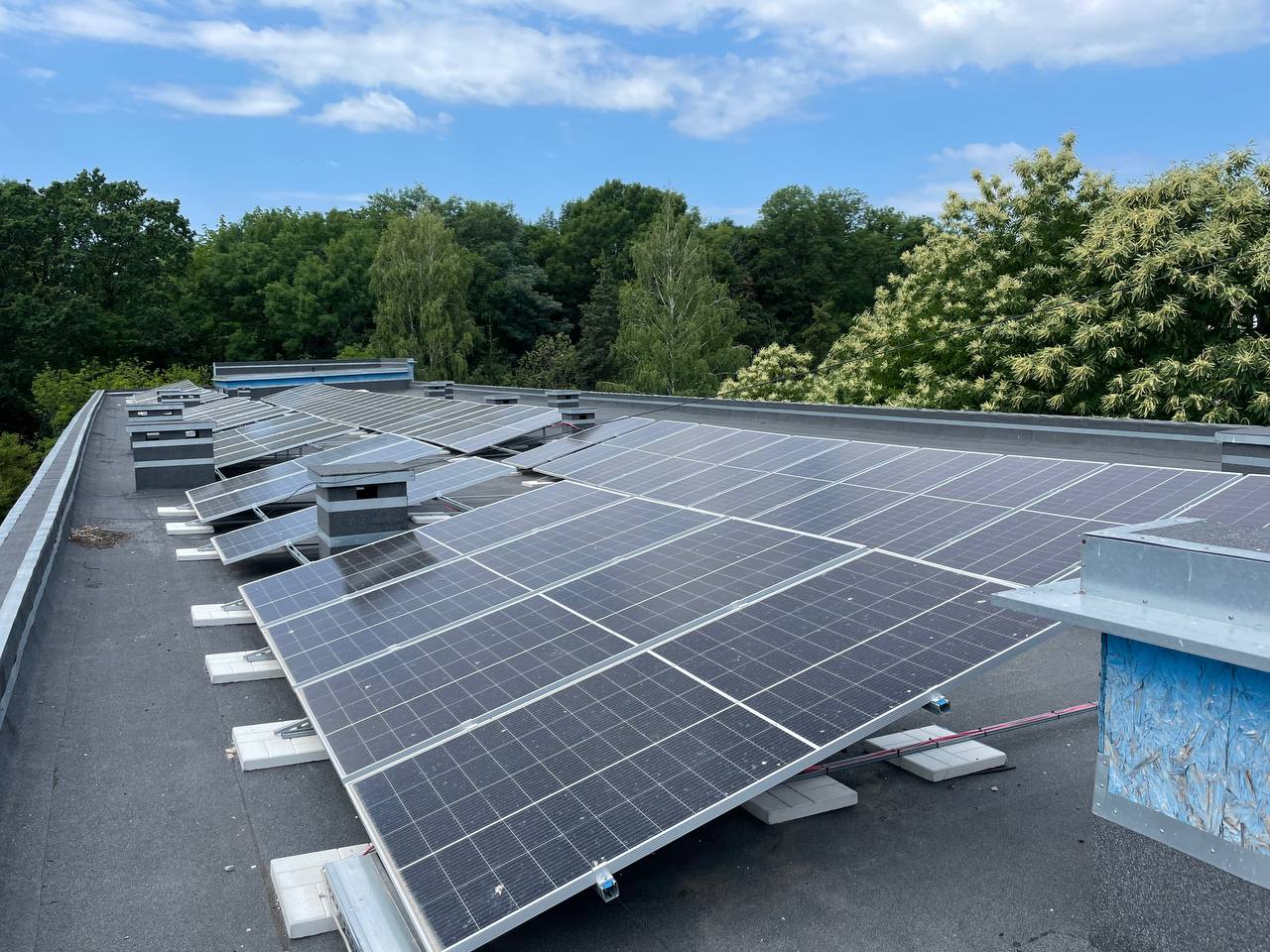
An example of a model solution for critical infrastructure facilities in Trostyanets city hromada, in the implementation of which GIZ participated, are hybrid rooftop solar power plants with energy storage. Such systems will provide electricity to several critical infrastructure facilities, in particular a polyclinic, an administrative services center, an internally displaced persons accommodation center, and others. These are processes where a stable power supply directly determines the safety and quality of social and medical care. In one of the implemented projects in our community, the expected annual output of the system is 35,000 kWh, and its operation increases the energy sustainability of the key functions of the facility.
The technical profile of one of such solutions has the following characteristics:
- type of station — hybrid rooftop
- inverter capacity — 30 kWh
- PV module capacity — 38 kW
- battery capacity — 60 kWh
- coverage of annual electricity consumption — 11%
For energy management to work systematically, GIZ sees the following minimum set of conditions in communities. First, a comprehensive energy management system should cover all municipal institutions – utilities, educational institutions, healthcare, social services, heating infrastructure, water facilities, street lighting, etc. It should also be as automated and digitalized as possible. In many Ukrainian communities, GIZ supports city councils in developing an energy plan, combined with the launch of MEMS (Municipal Energy Management System), which helps collect and structure consumption data in all subordinate institutions. As part of this approach, it is recommended to use digital energy monitoring solutions and install commercial or technical metering systems at the level of each building.
Secondly, a responsible person (energy manager) should be identified in the relevant municipal service and clear procedures for daily monitoring and analysis of consumption data should be established. In particular, data on peak loads and the structural condition of roofs are critical for the preparation of quality investment projects – they reduce the risk of design errors when planning solar power plants. It is this data, according to the GIZ approach, that should directly influence the preparation of energy investment projects and budget planning so that savings from reduced consumption can be reinvested in further, greener and more sustainable, modernization measures.
Once the systems are put into operation, responsibility for their operation and maintenance is transferred to the level of the operating institution. Routine maintenance should be performed locally, and if actual indicators deviate from expectations, a joint analysis of the causes is carried out with the involvement of specialists to adjust and optimize the work.
One of the criteria for selecting recipients of support in such programs is the level of the organization’s ability on site to manage the project in the long term, as well as its management capacity. For a donor, the ideal community is not one that simply installed equipment, but one that knows how to turn it into a working system and extend the solution to other facilities.
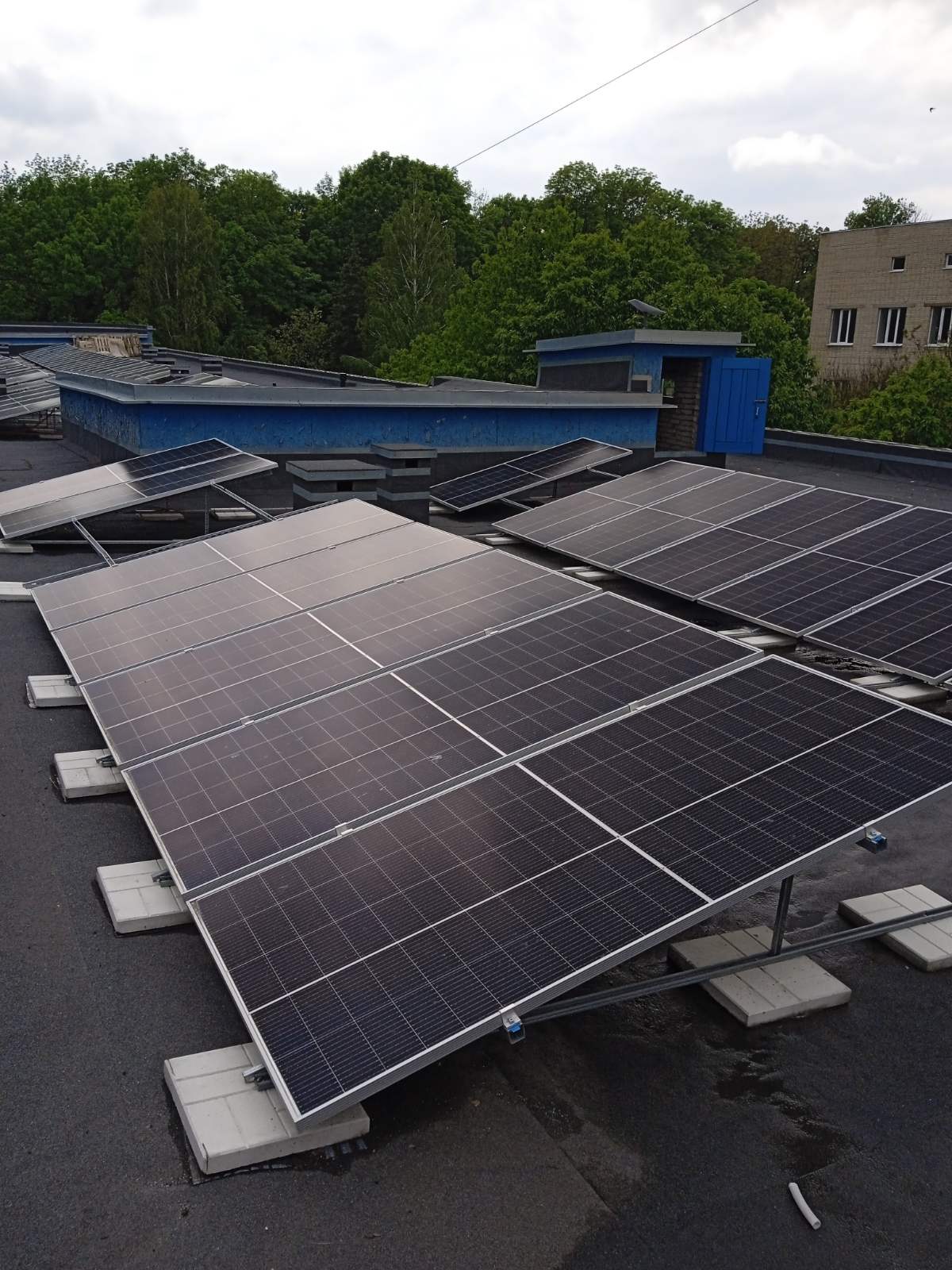
These activities are implemented within the framework of the Winter Assistance Package funded by the German Federal Ministry for Economic Cooperation and Development (BMZ) as part of Transitional Development Assistance and implemented by Deutsche Gesellschaft für Internationale Zusammenarbeit (GIZ) GmbH.