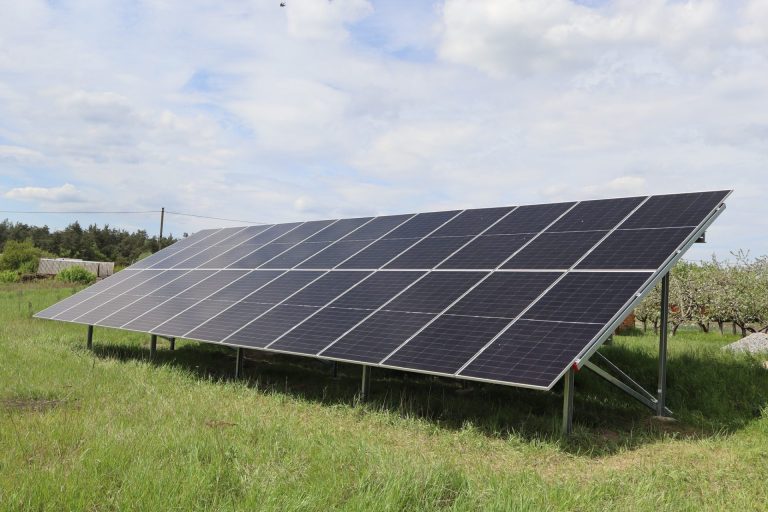
Solar energy helps municipalities by dramatically cutting operational costs, increasing energy independence, and advancing climate goals. By installing panels on public buildings or utilizing solar streetlights, cities reduce municipal electricity budgets and redirect those funds to public services. It also stimulates local economies by creating clean energy jobs.
Municipalities typically leverage solar power through several key strategies:
- Utility Cost Reductions: By outfitting civic buildings, schools, and water treatment plants with solar, municipalities lower their ongoing utility bills. Many regions allow cities to utilize Power Purchase Agreements (PPAs) to get solar installed with zero upfront costs.
- Resilient Infrastructure: Pairing solar arrays with battery storage creates microgrids, allowing critical facilities like emergency shelters, hospitals, and water systems to maintain power during grid outages.
- Public Lighting and Transit: Solar-powered streetlights eliminate continuous grid electricity costs while enhancing public safety. It is also integrated into EV charging stations, smart city IoT sensors, and bus stops.
- Community Solar Initiatives: Municipalities can sponsor community-owned solar farms. This allows residents without suitable roof space to access clean energy, often providing lower power rates to lower-income households.
- Policy and Economic Development: Local governments can streamline solar permitting processes to attract private investment and jump-start the clean energy economy.
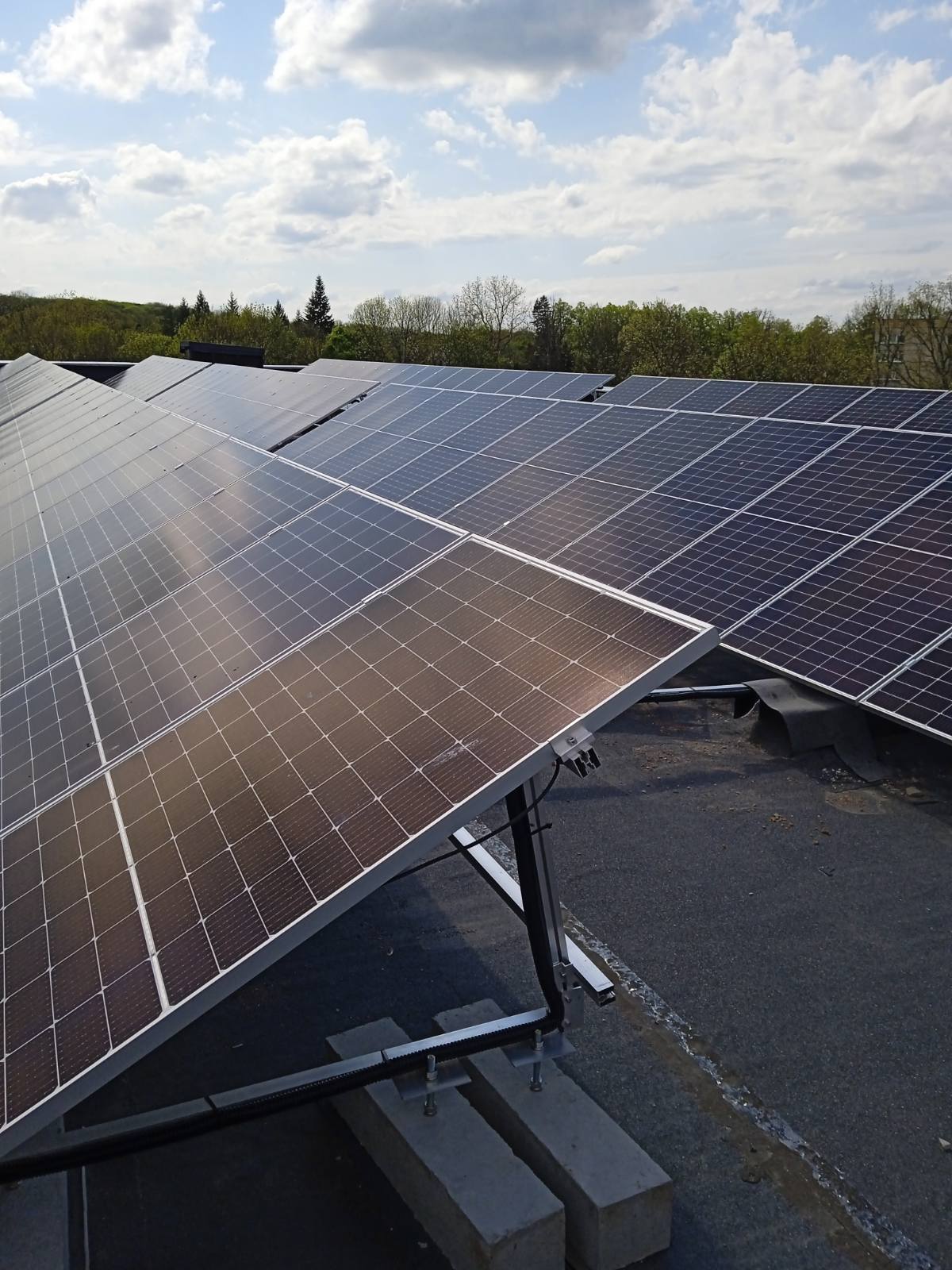
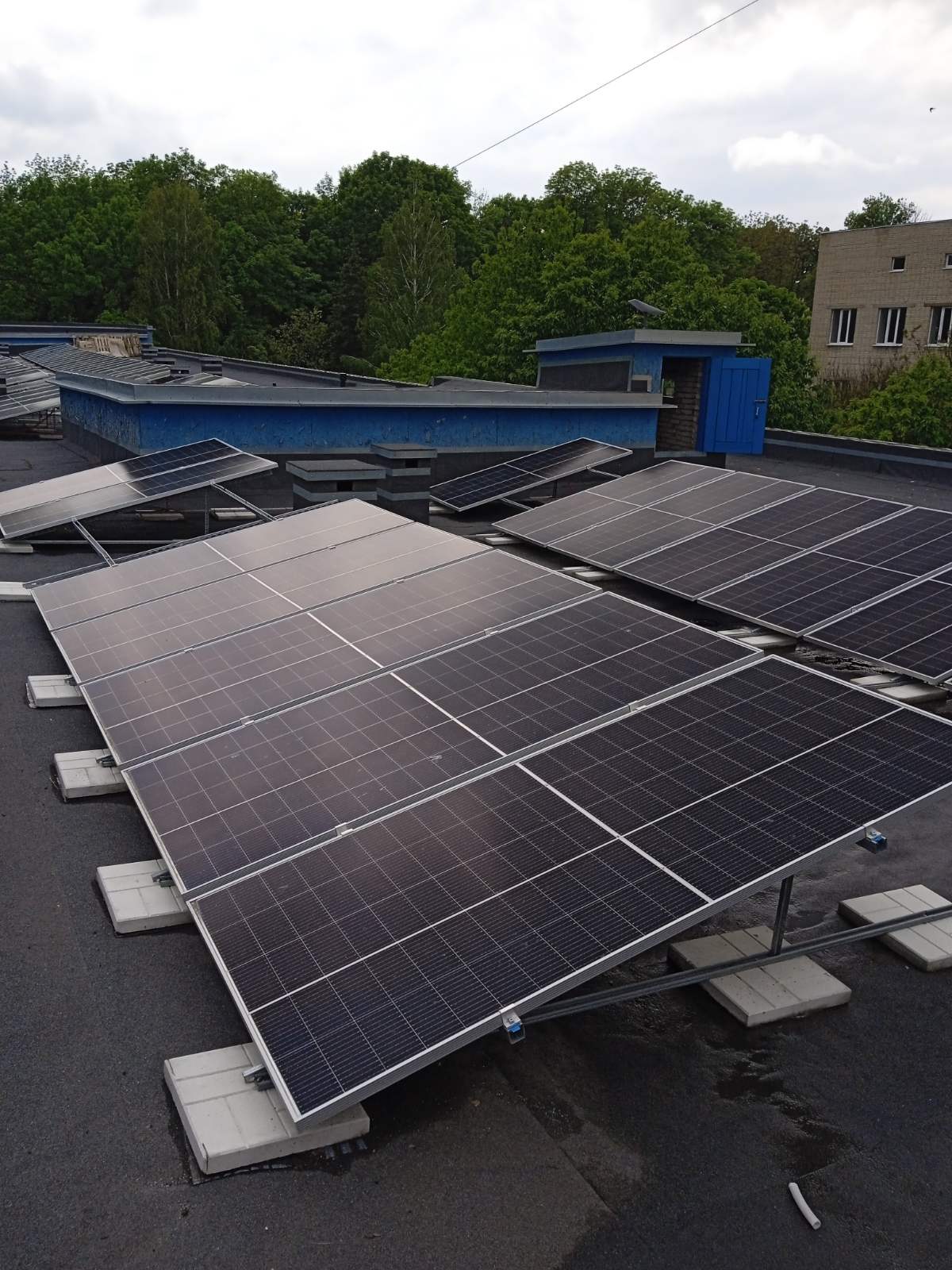
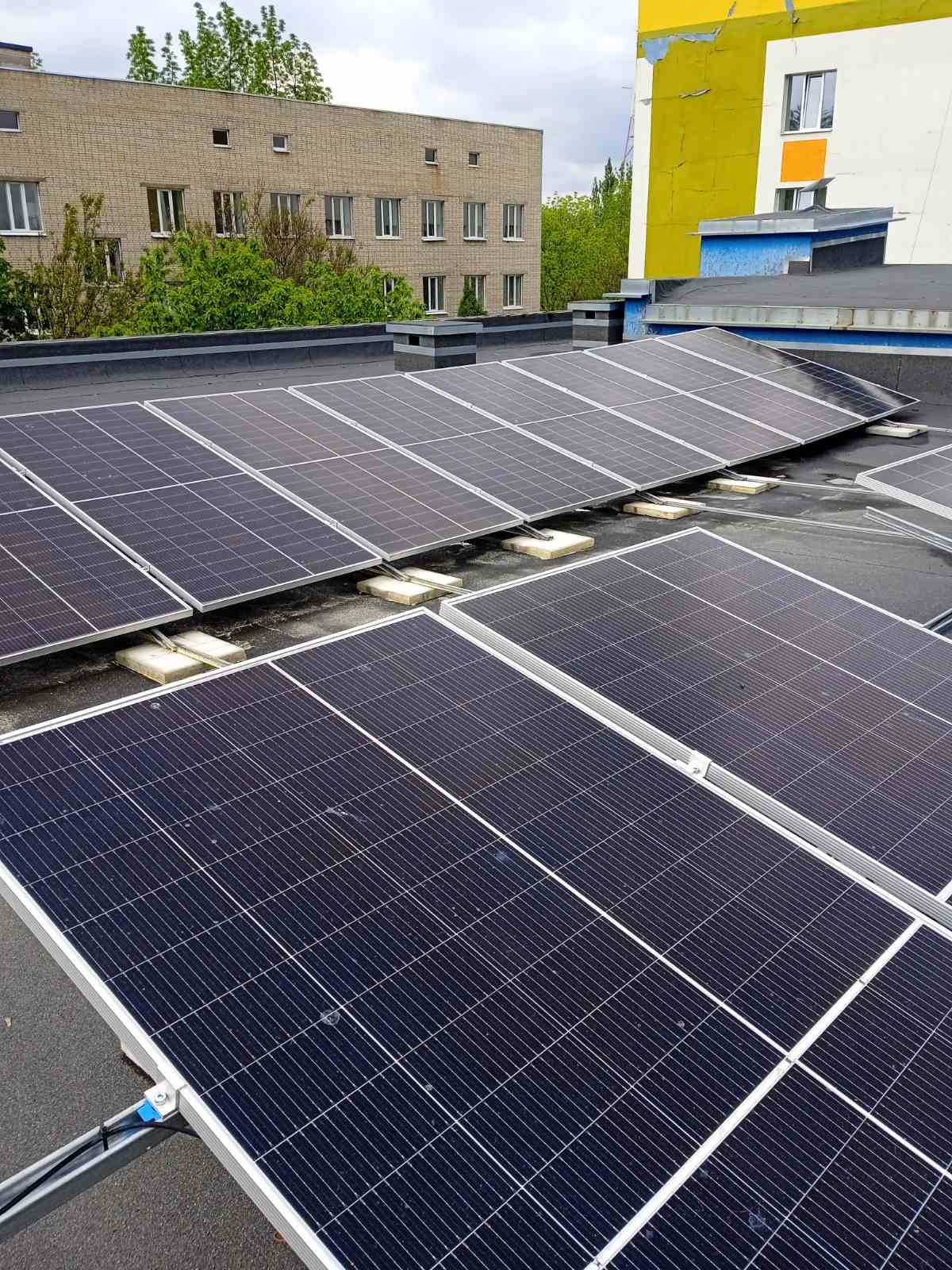
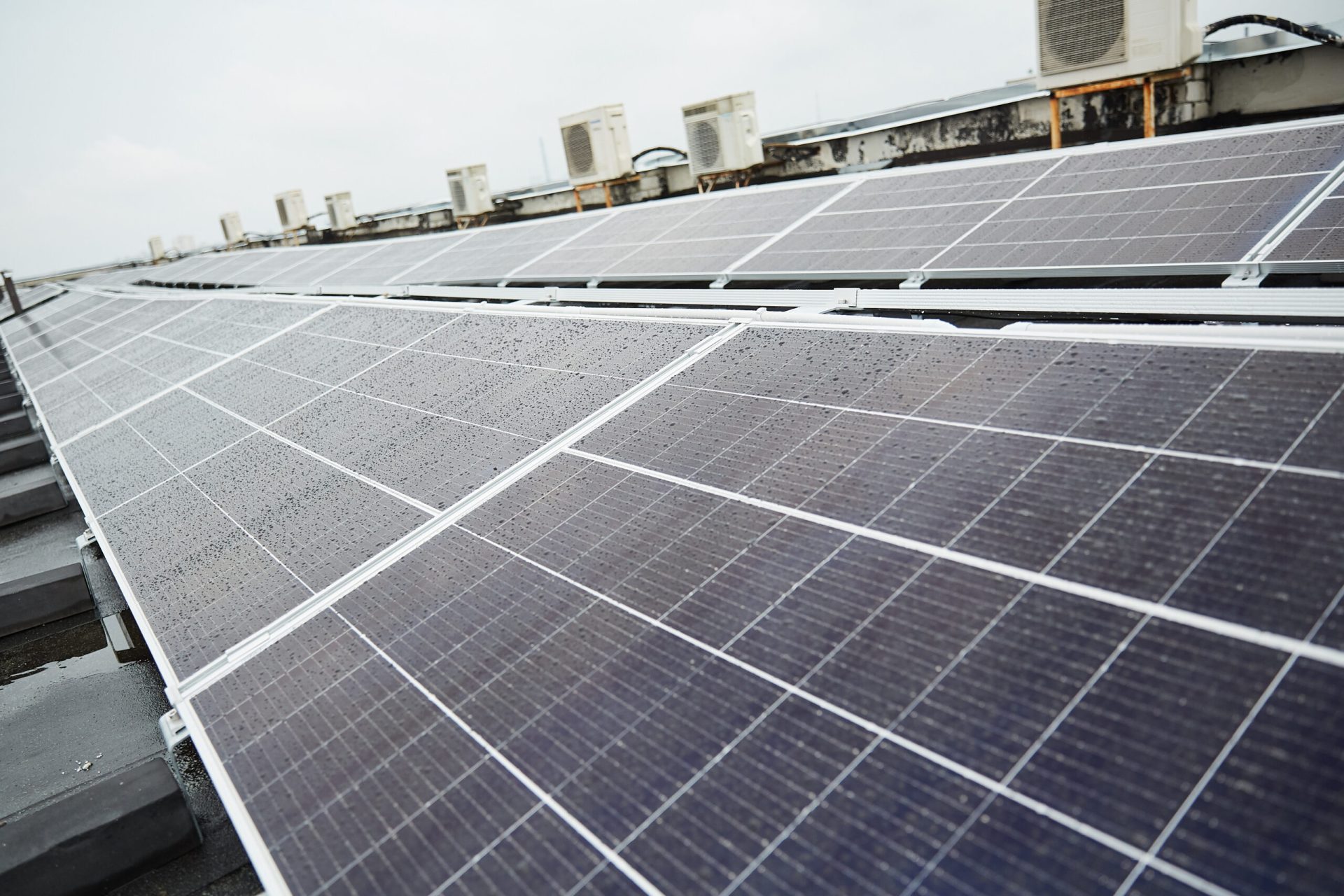
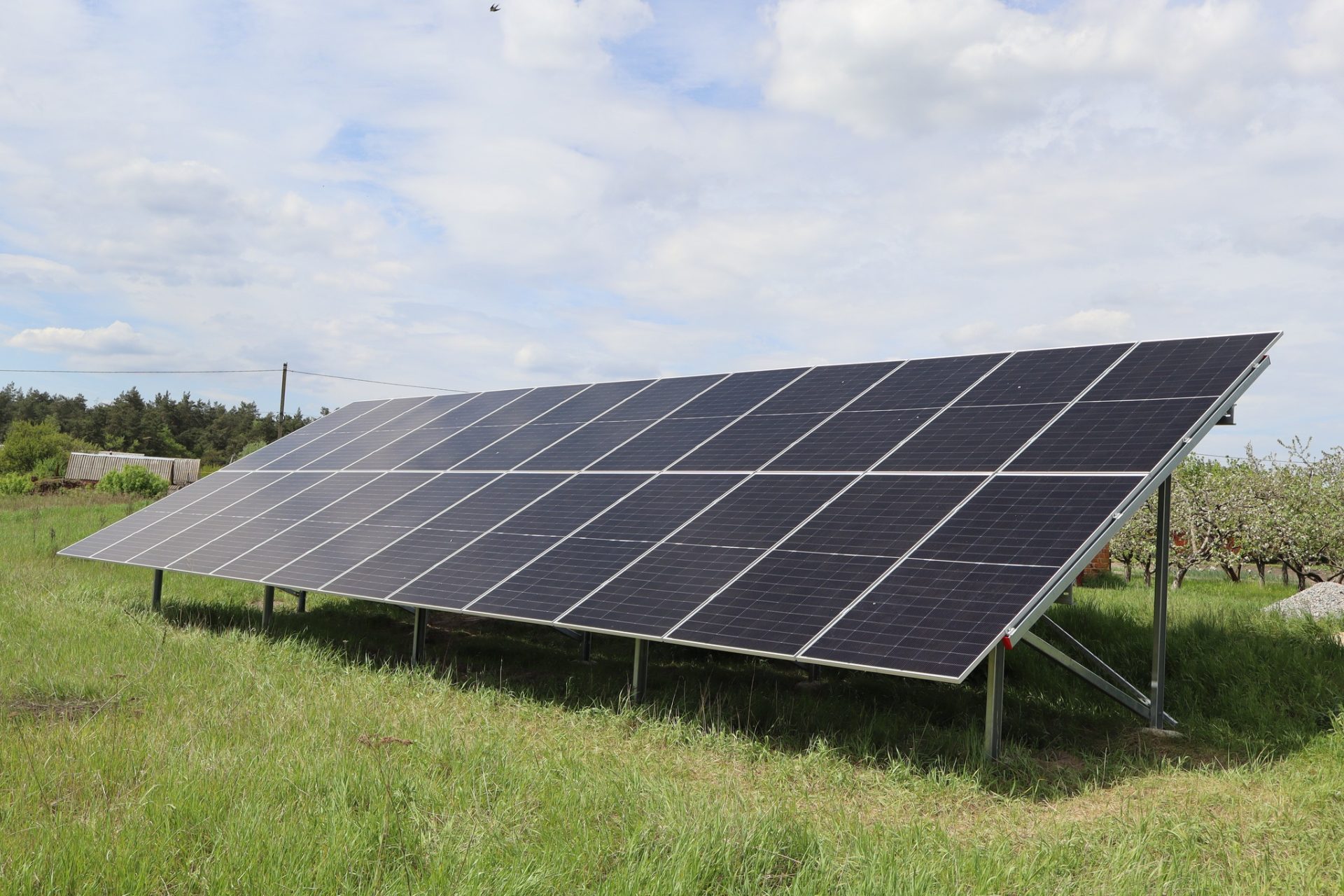
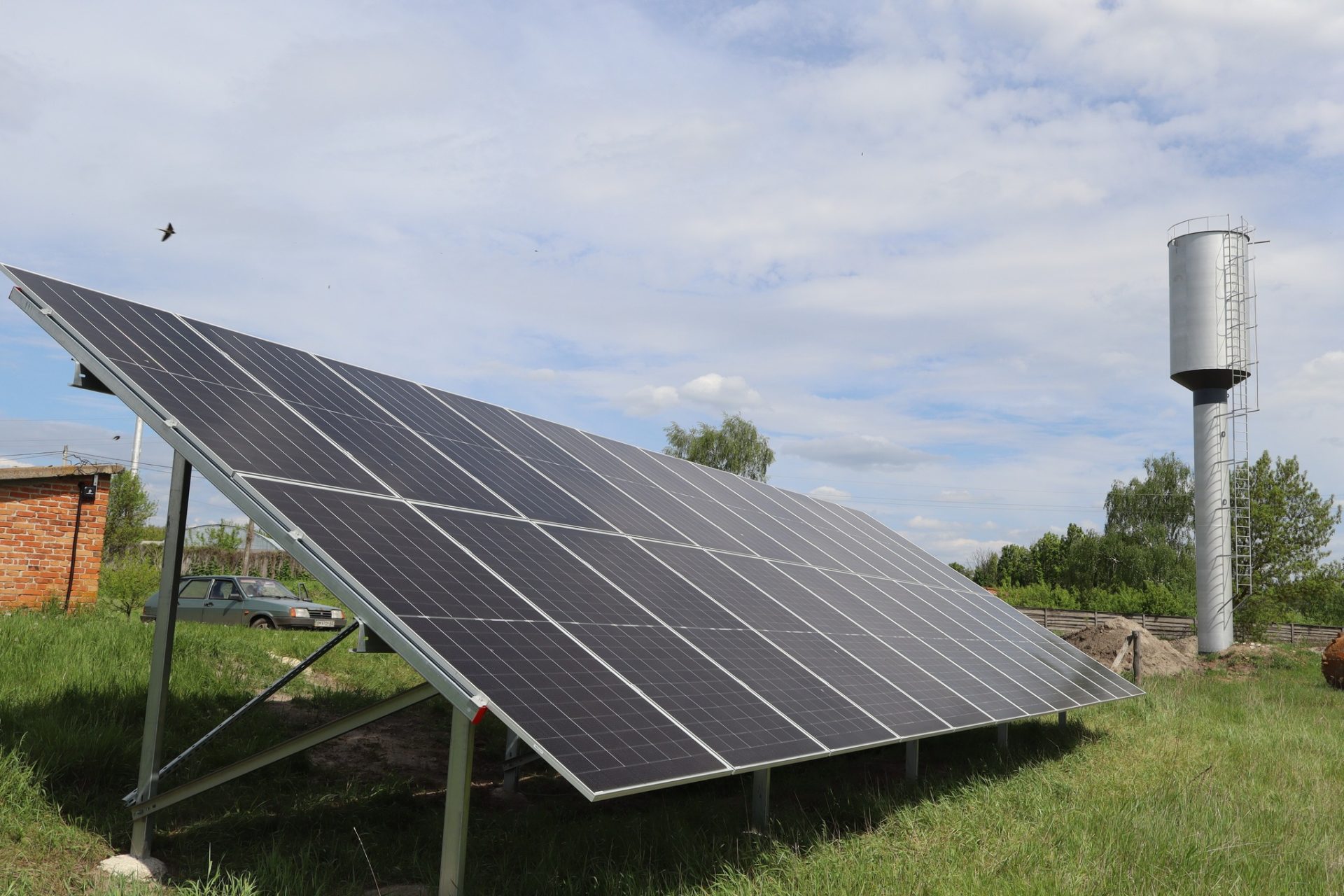
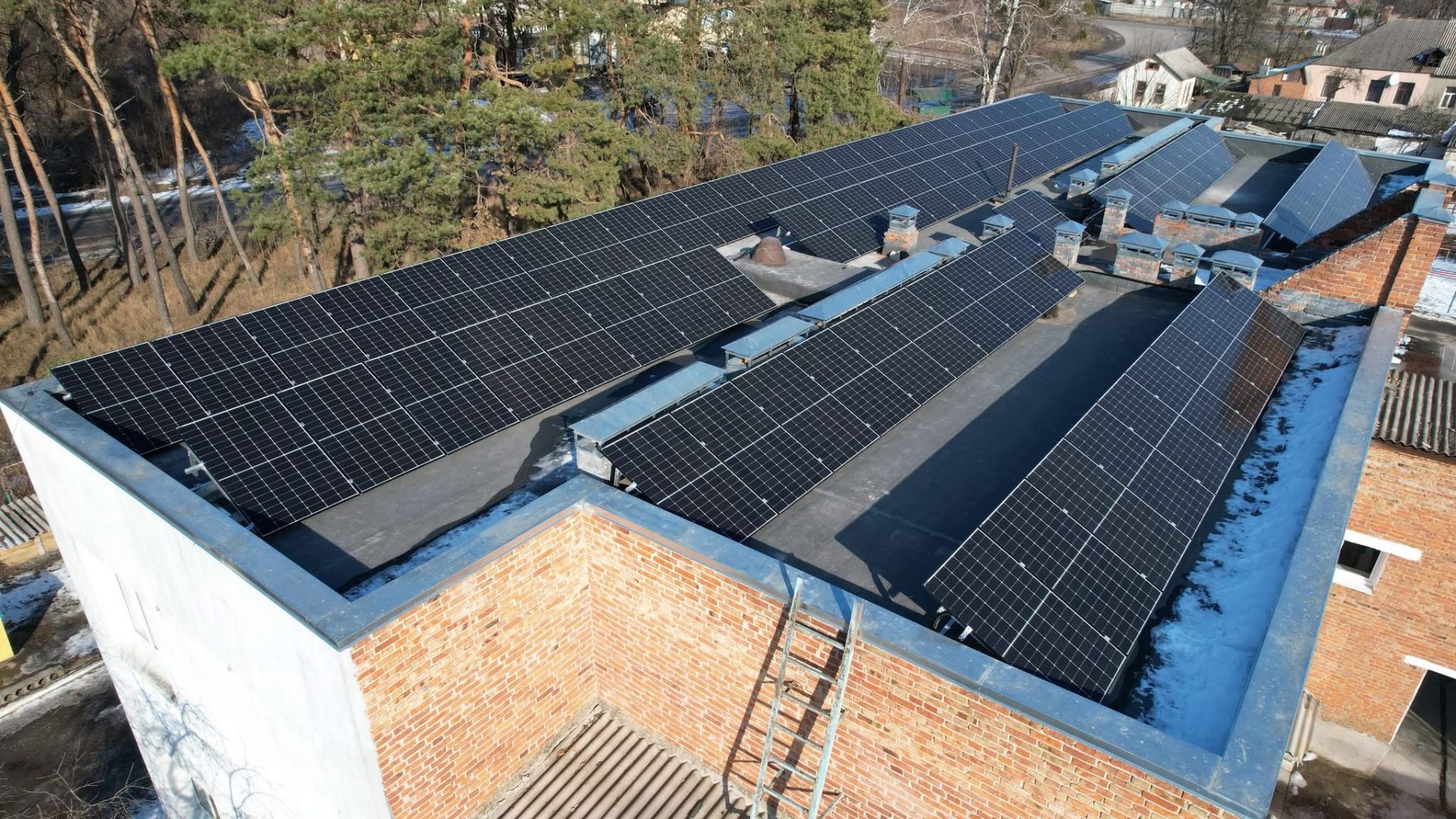
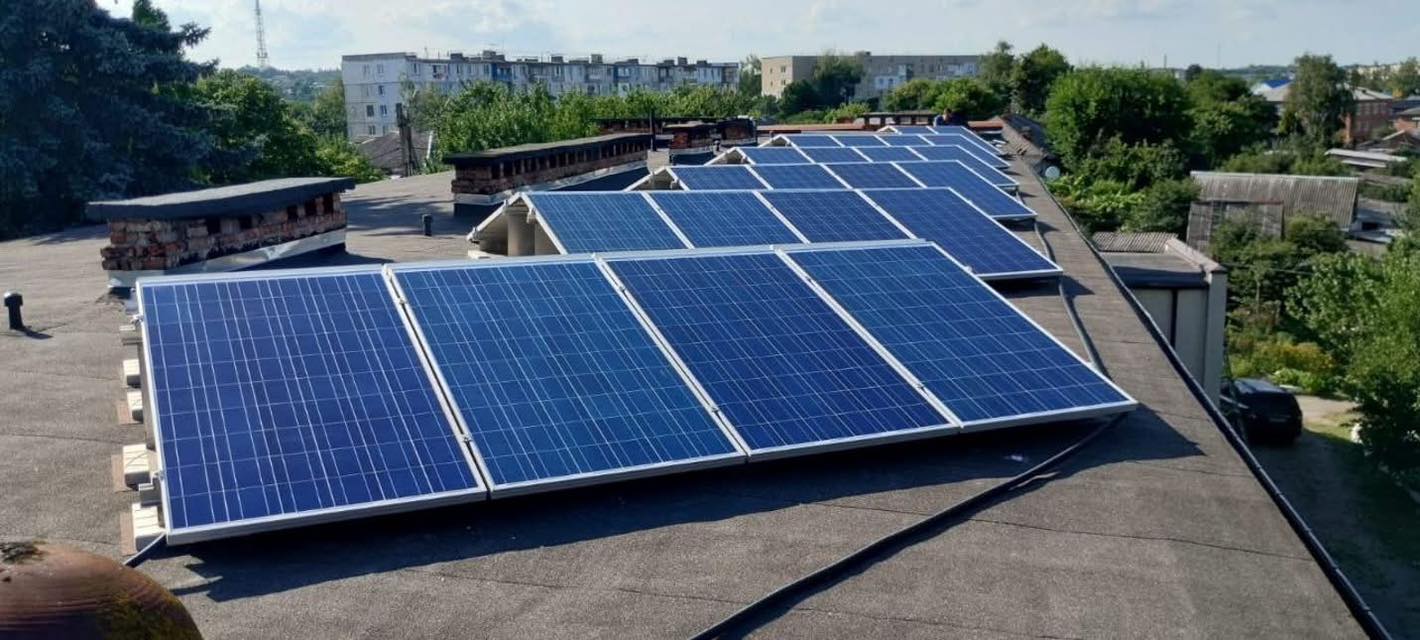
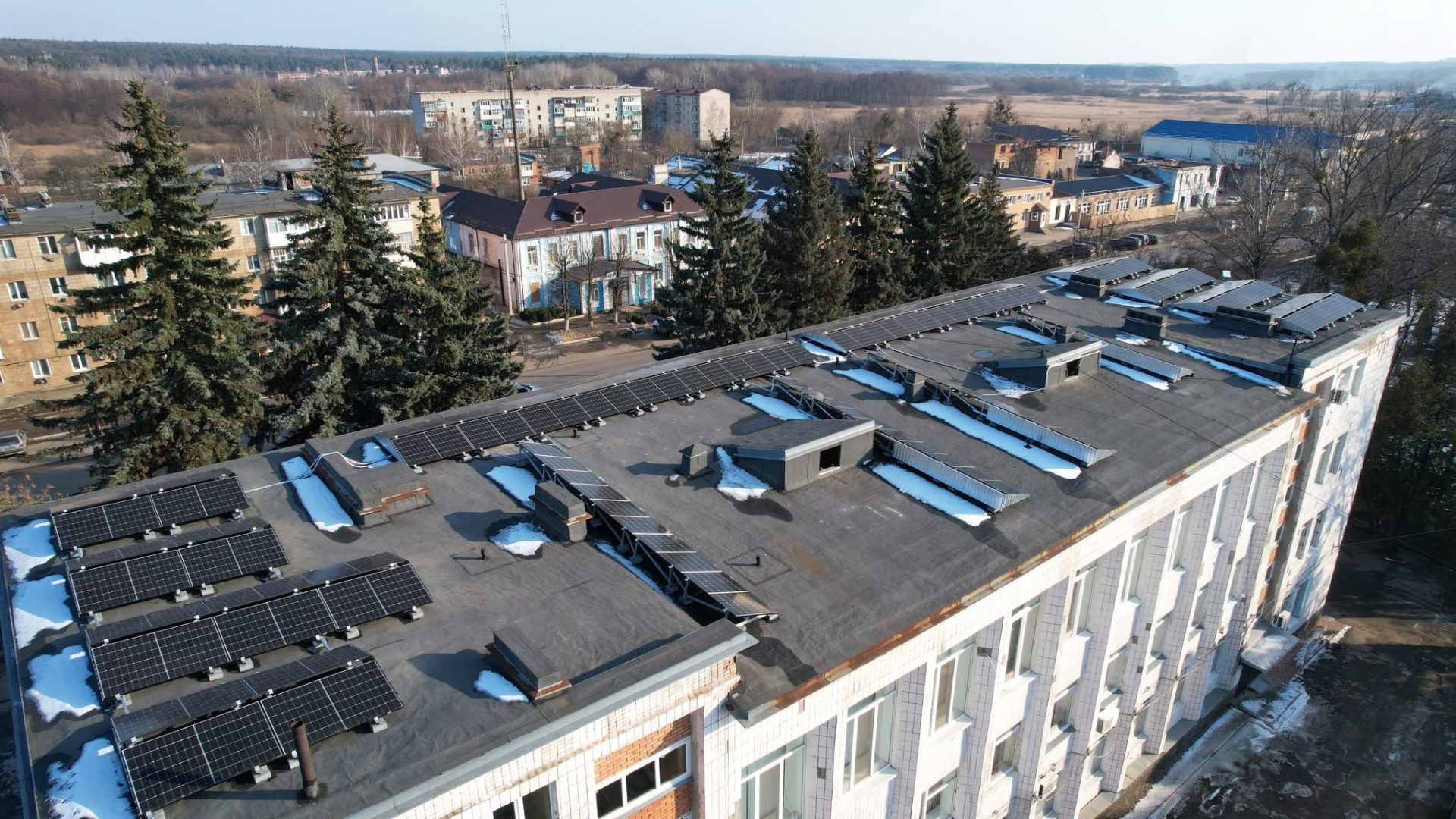
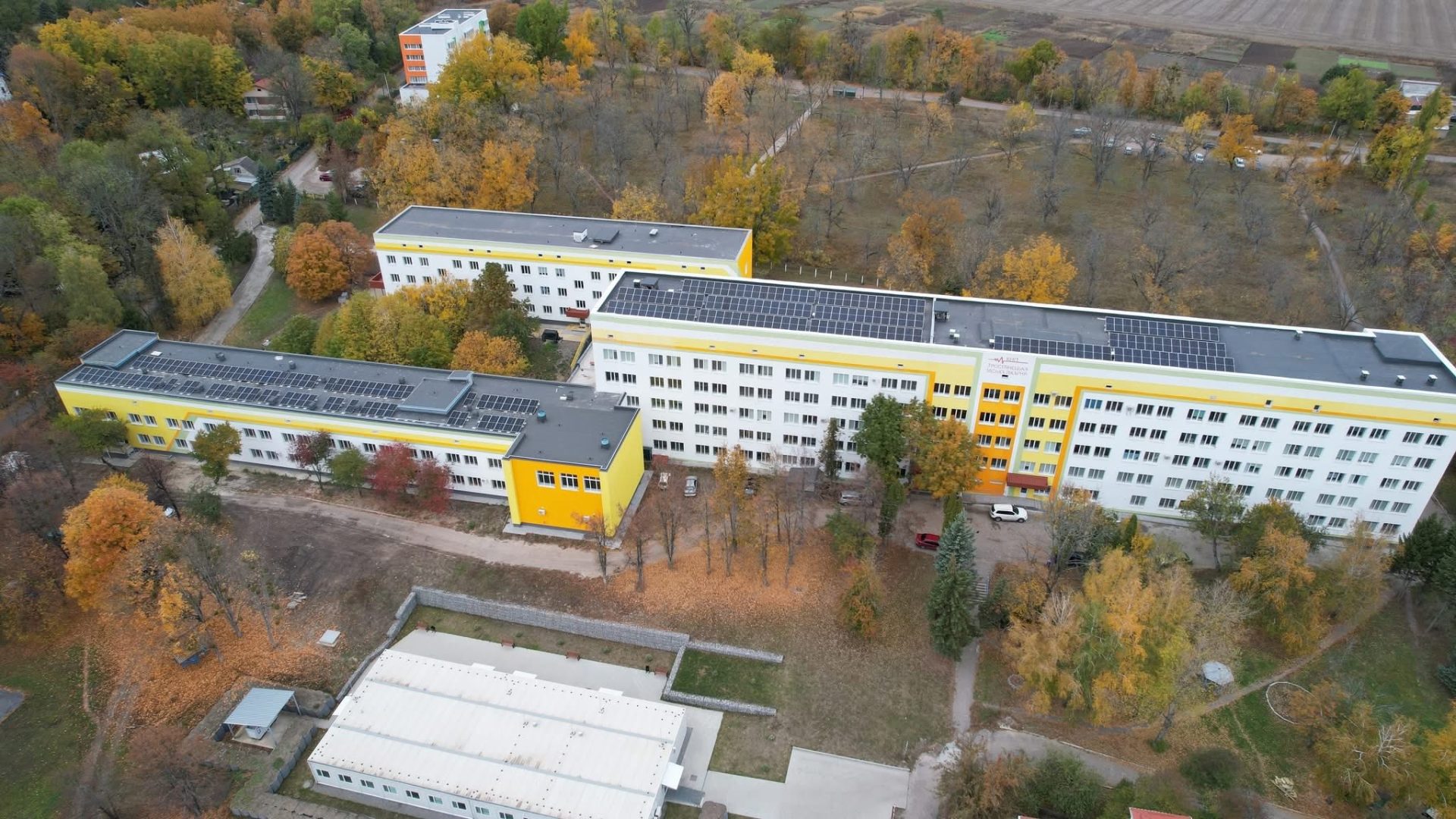
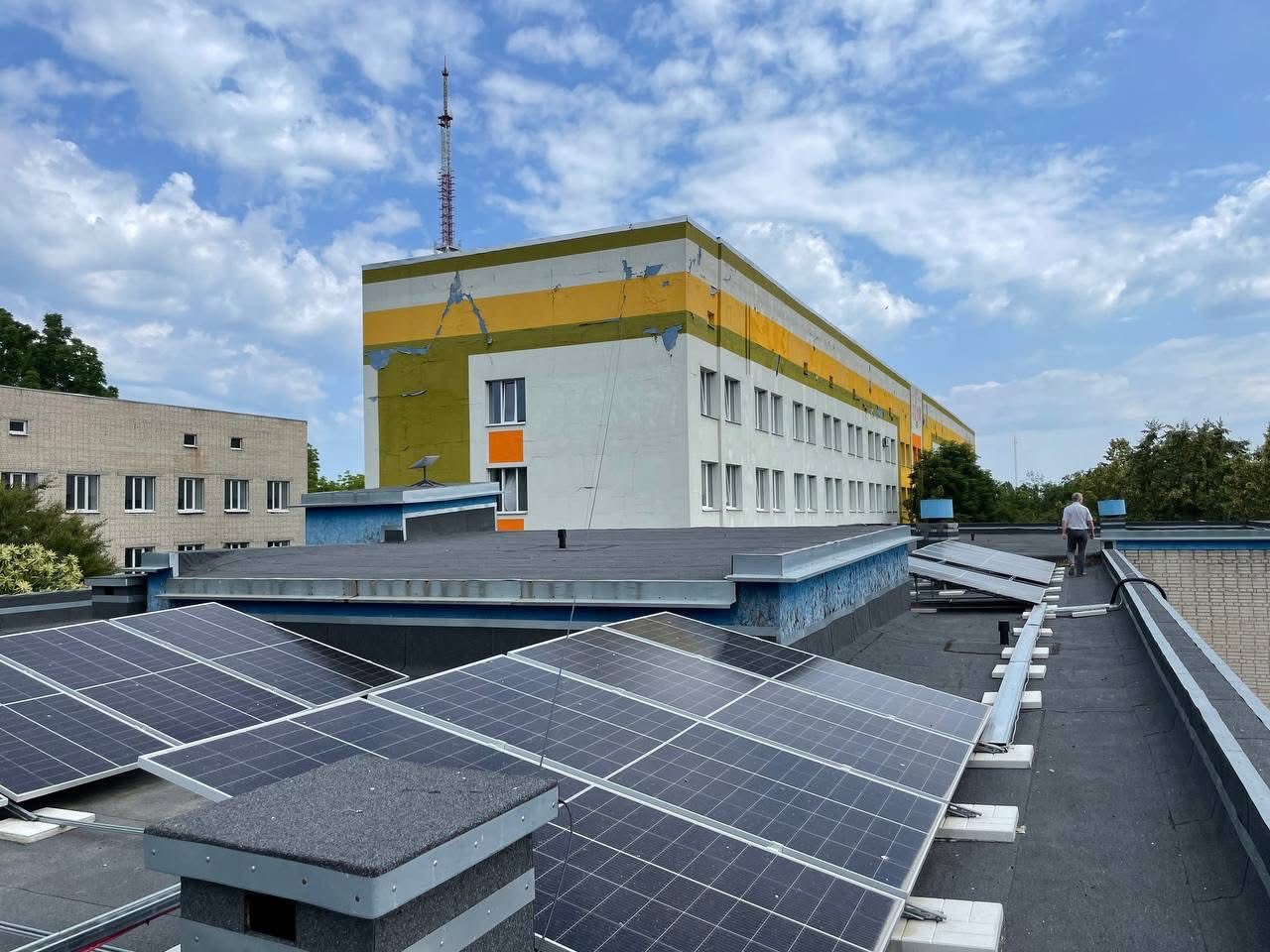
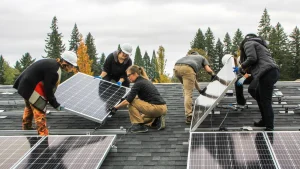
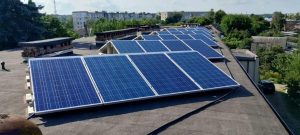
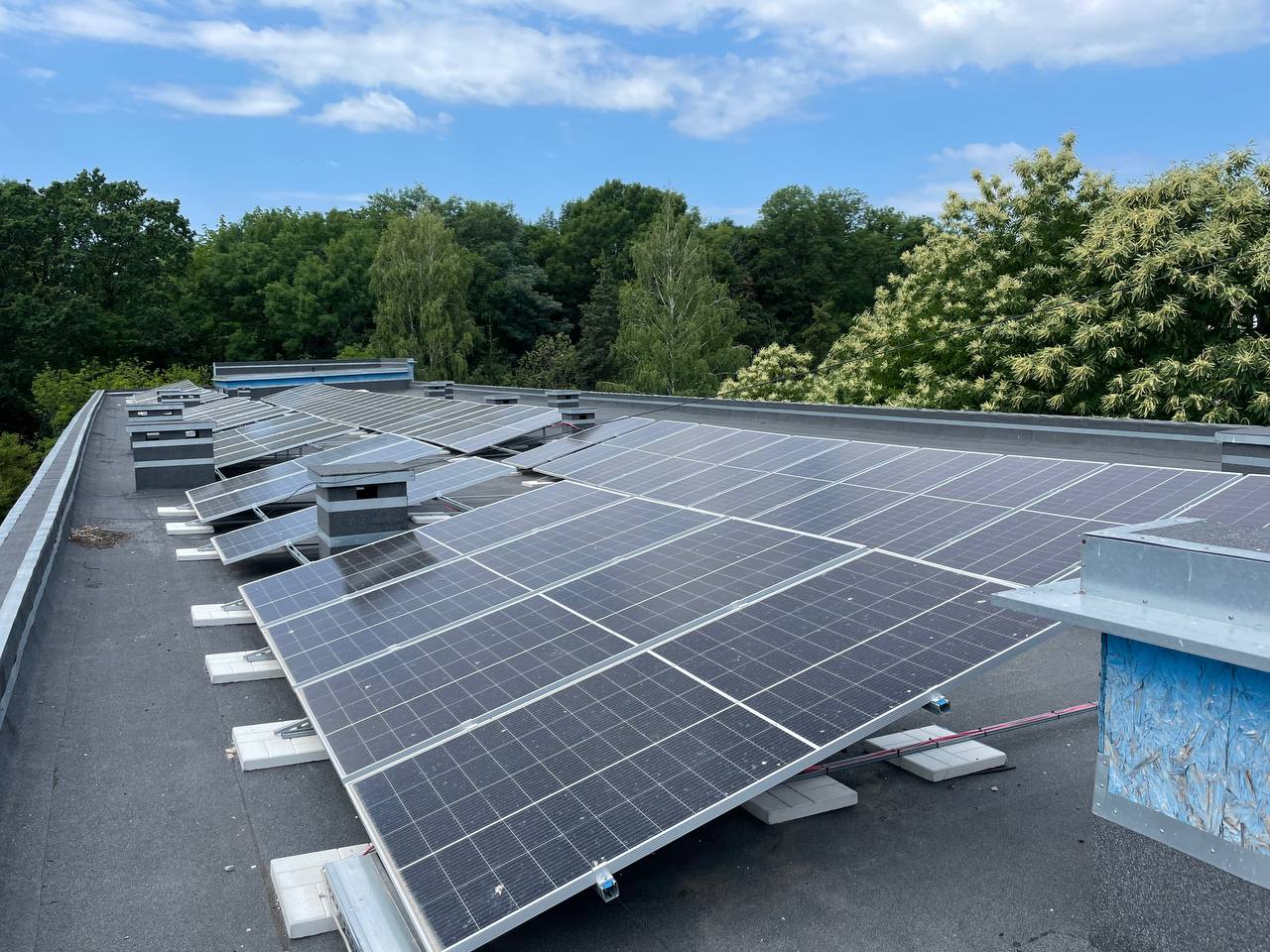
Trostyanets city hromada is actively expanding the use of solar energy by installing solar power plants on the roofs of healthcare and educational institutions, administrative buildings, and other municipal facilities. By generating its own electricity from solar energy, the community significantly reduces electricity costs, saves public funds, and strengthens its energy independence.
According to monitoring results, during the first half of 2026, solar power plants installed at municipal institutions and facilities in the Trostianets community generated 90.9 MWh of electricity. This resulted in savings of UAH 1.08 million in the local budget.
Electricity generated by solar power plants at individual facilities:
Trostyanets City Council — 12,141 kWh
Trostyanets City Hospital — 47,101 kWh, including:
- Children’s Medical Complex — 14,465 kWh
- Inpatient Building — 32,636 kWh
Department of Education — 18,062 kWh, including:
- “Romashka” Nursery School — 7,462 kWh
- “Kazka” Nursery School — 7,962 kWh
- “Kalynka” Kindergarten — 2,637 kWh
“Neskuchne” IDP Centre — 3,441 kWh
Trostyanets Hotel — 3,136 kWh
Elegiya Hotel — 5,821 kWh
Water Tower on Dokuchaieva Street (solar power plant commissioned in May 2026) — 1,252 kWh
WHAT’S NEXT?
In 2026, Trostyanets municipality will continue installing solar power plants on municipal facilities. This will further reduce electricity consumption from the grid, generate additional savings for the local budget, and ease the financial burden on municipal finances.
The main goal is to provide all publicly funded institutions in the community with solar energy over the next few years. This is expected to save up to UAH 10 million annually.
One of the hromada’s top priorities is achieving full energy independence for Trostianets City Hospital, one of the largest electricity consumers in the municipality. The funds saved through the use of solar energy are planned to be directed, among other purposes, toward additional financial incentives for healthcare professionals.
During the second half of 2026, the community plans to equip water intake facilities and wastewater pumping stations with solar power plants as extensively as possible. This will improve the reliability of water supply services and help prevent increases in water tariffs for residents.
The installation of solar power plants on the administrative buildings of the City Council will also continue. In addition to reducing electricity costs, these systems will ensure uninterrupted operation during possible power outages, allowing residents to continue receiving essential administrative services.
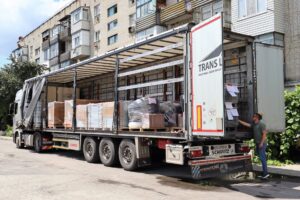
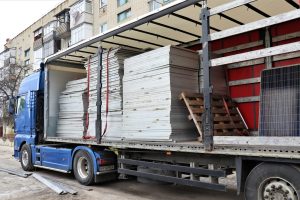
Trostyanets city is confidently moving toward energy independence and sincerely thanks all international partners supporting the implementation of this important initiative. Thanks to these joint efforts, the community is becoming more resilient, modern, and self-reliant.
Special thanks to: Greenpeace International, GIZ Ukraine, Engagement Global, City of Montabaur, Kremer-Kautschuk-Kunststoff GmbH & Co., BIOHAUS-Stiftung, Greenpeace Deutschland, and Camino NGO.
Trostyanets City Council continues to actively strengthen the community’s energy resilience through cooperation with international partners. While significant progress has already been made, much work still lies ahead. We remain open to cooperation with international partners, charitable foundations, and donor organizations willing to support our community on its path toward full energy independence.
Trostyanets is a border area that comes under daily russian attacks. The enemy deliberately targets energy infrastructure, resulting in frequent and prolonged power outages. For our community, the development of renewable energy is therefore not only a matter of reducing budget expenditures but also of ensuring the uninterrupted operation of hospitals, water supply systems, educational institutions, and other critical infrastructure.
We sincerely invite international partners, charitable foundations, and donor organizations to join us in implementing energy projects in Trostianets hromada. We would especially welcome the support of Nefco – the Nordic Green BankLife Line Ukraine, whose partnership could help us further strengthen our energy resilience, ensure the reliable operation of critical infrastructure, and improve the quality of life for our residents despite the ongoing challenges of the war.