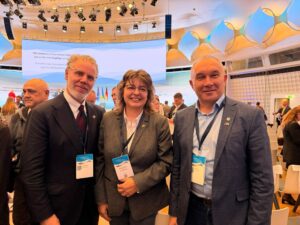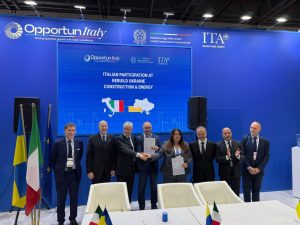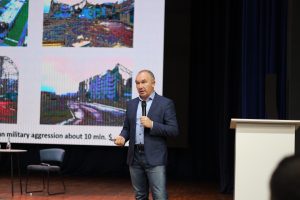
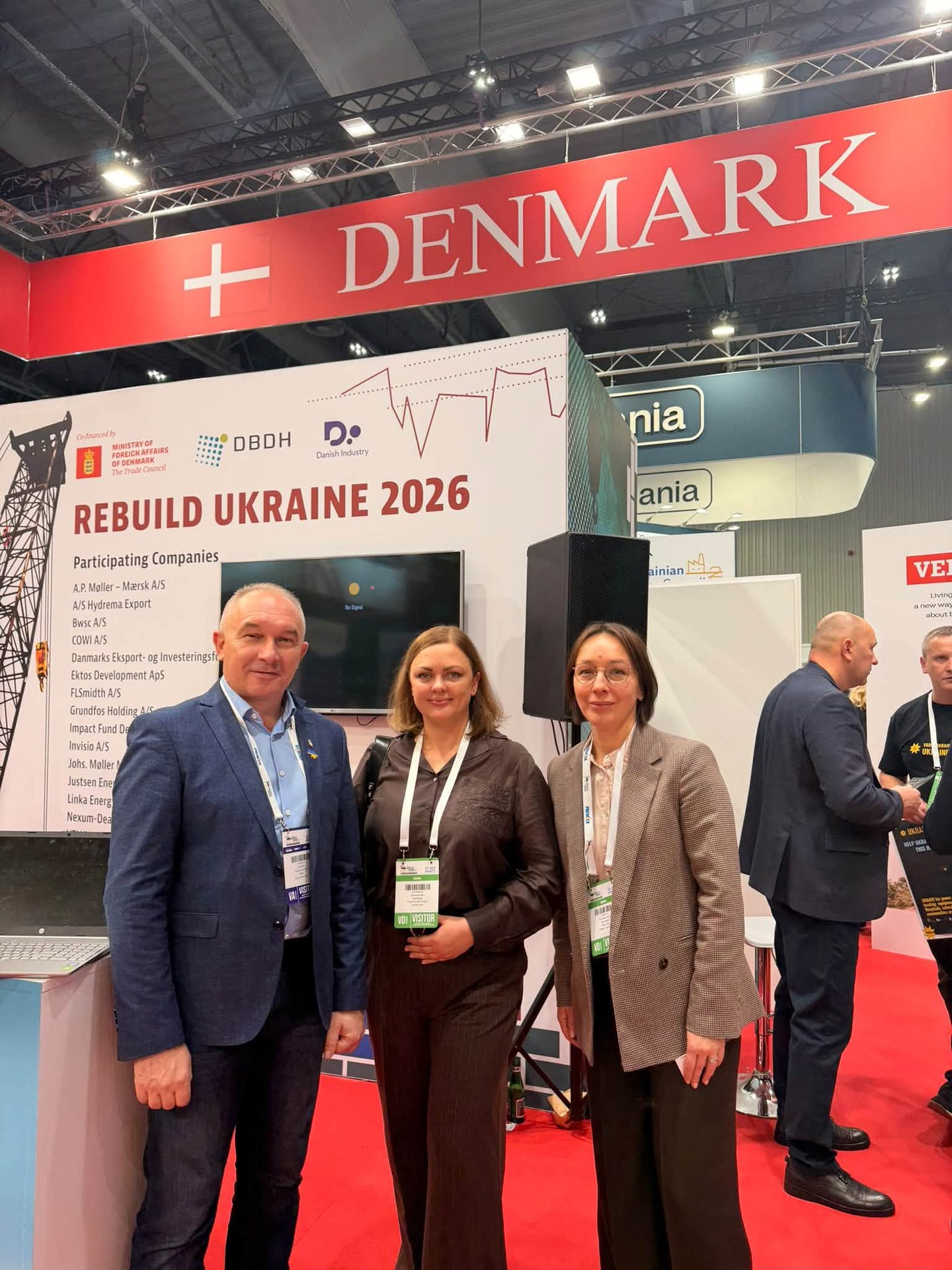
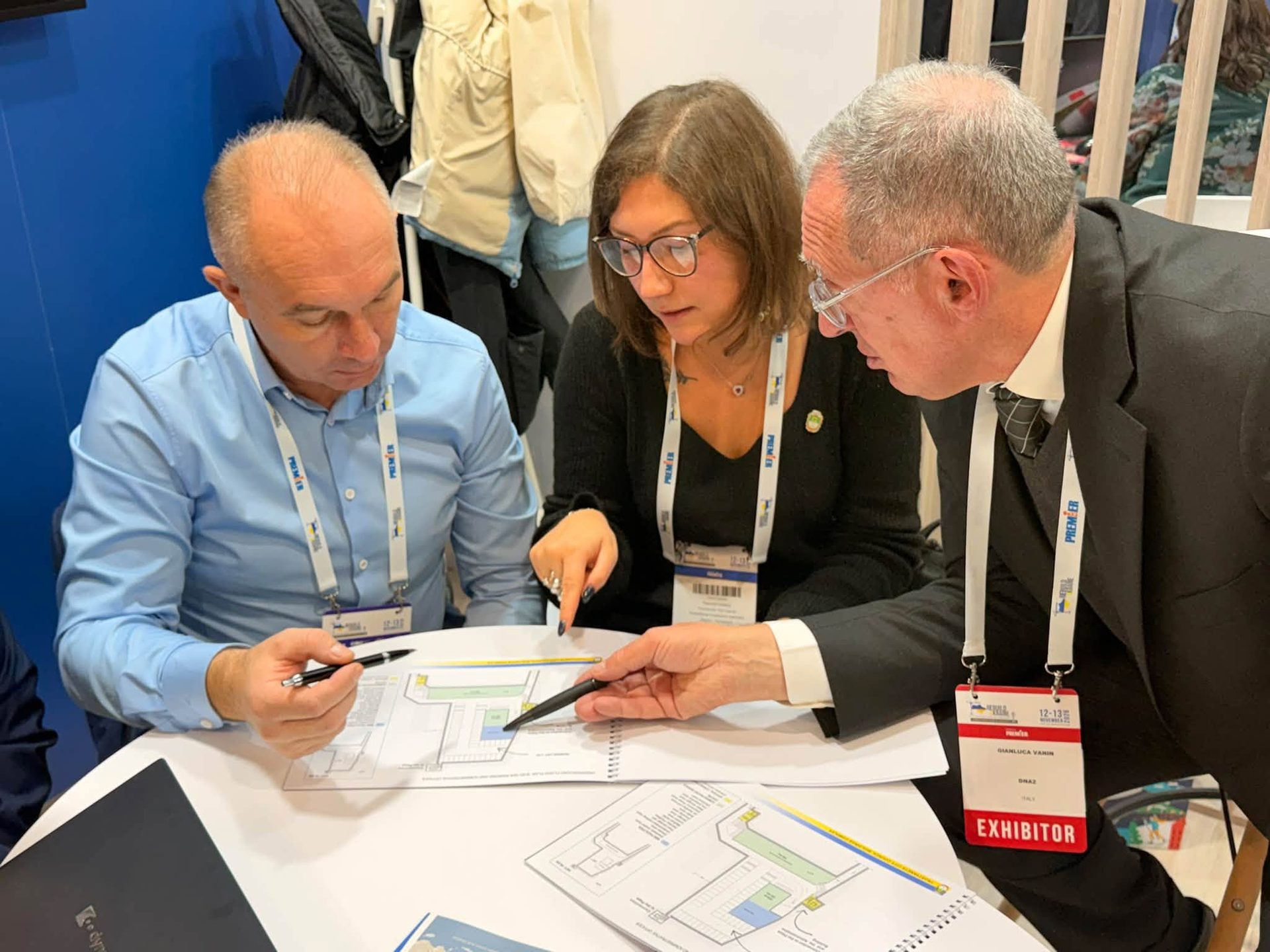
The sixth international exhibition and conference ReBuild Ukraine: Construction & Energy 2026 took place in Warsaw on 12–13 November 2026. It brought together more than 7,500 participants from 33 countries, over 800 companies and organisations, 27 national pavilions and representatives of more than 150 Ukrainian territorial communities.
The event served as an international platform for connecting Ukrainian communities, government institutions, international financial organisations, investors, construction companies and energy technology providers.
The main focus was on transforming Ukraine’s reconstruction needs into practical investment projects, strengthening energy security, rebuilding critical infrastructure, supporting businesses and accelerating Ukraine’s integration into the European economic space.
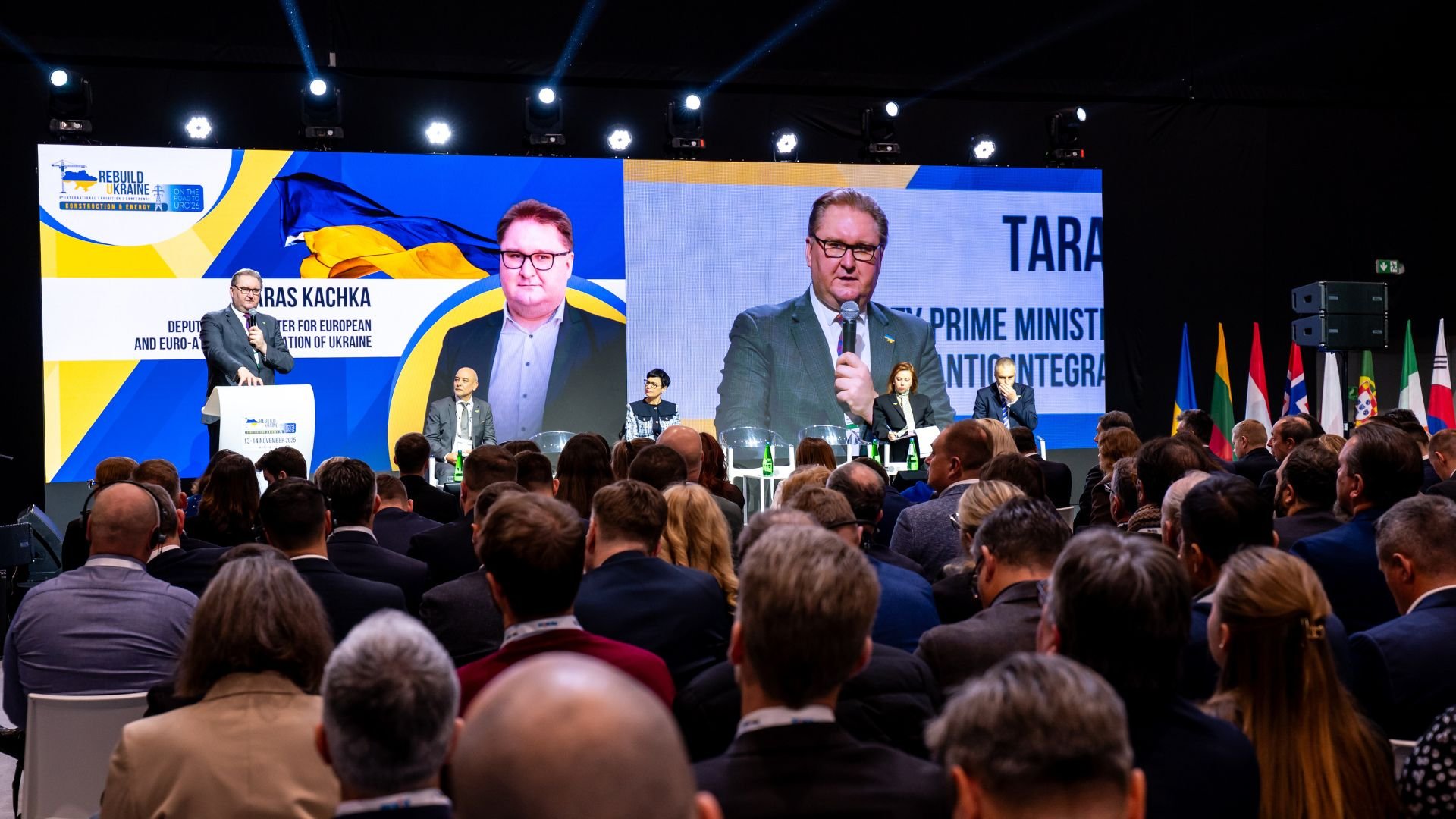
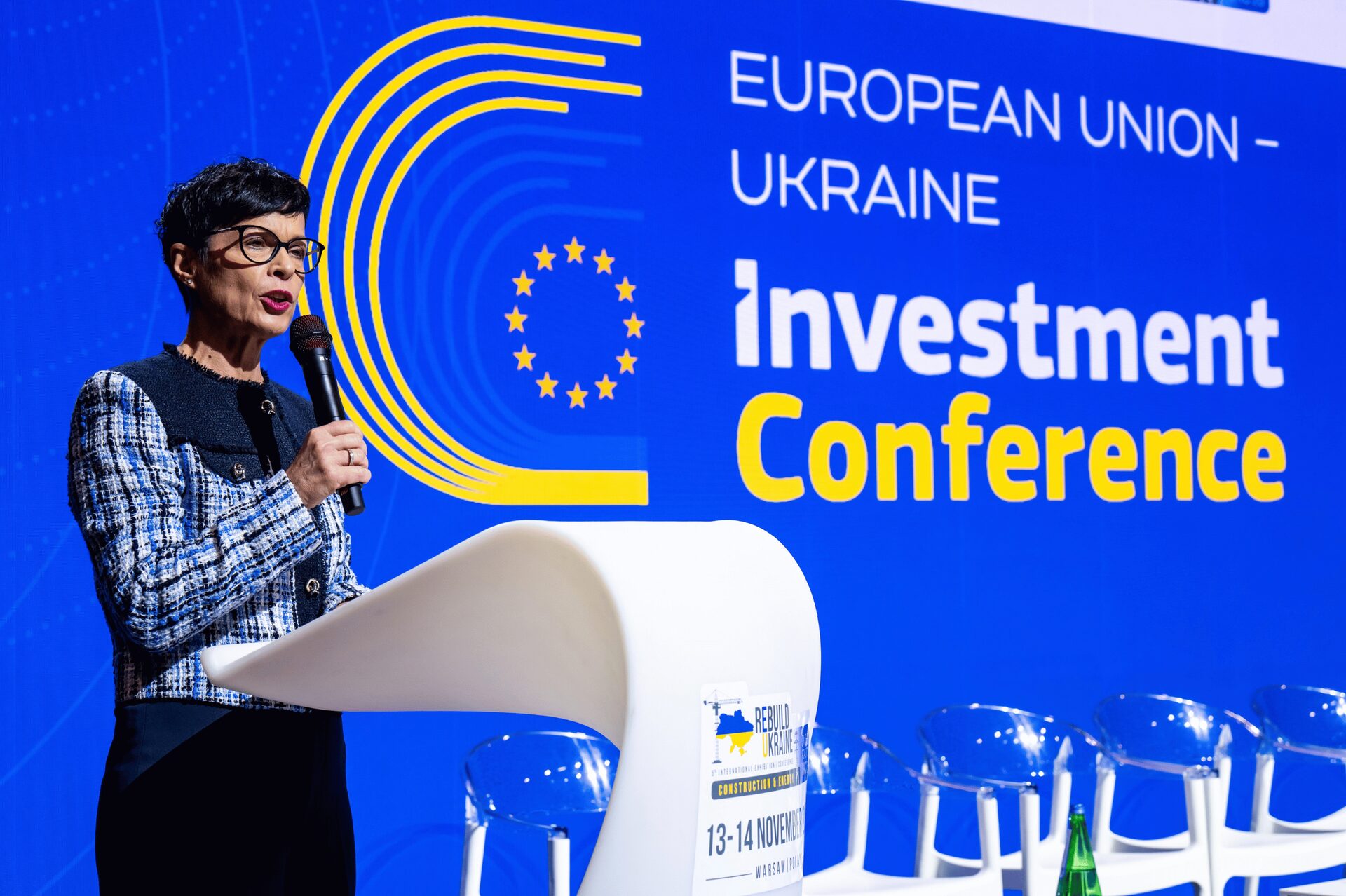
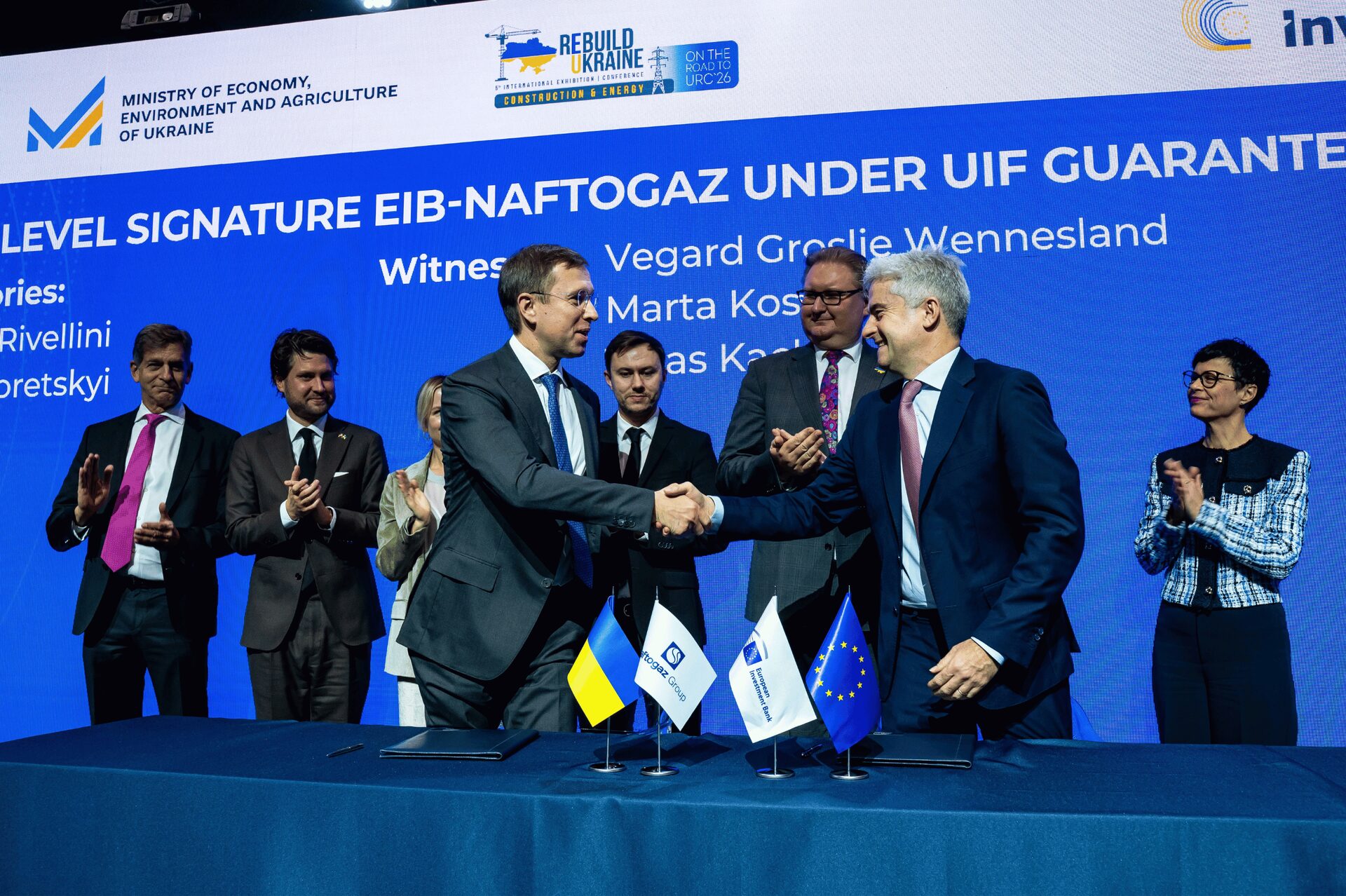
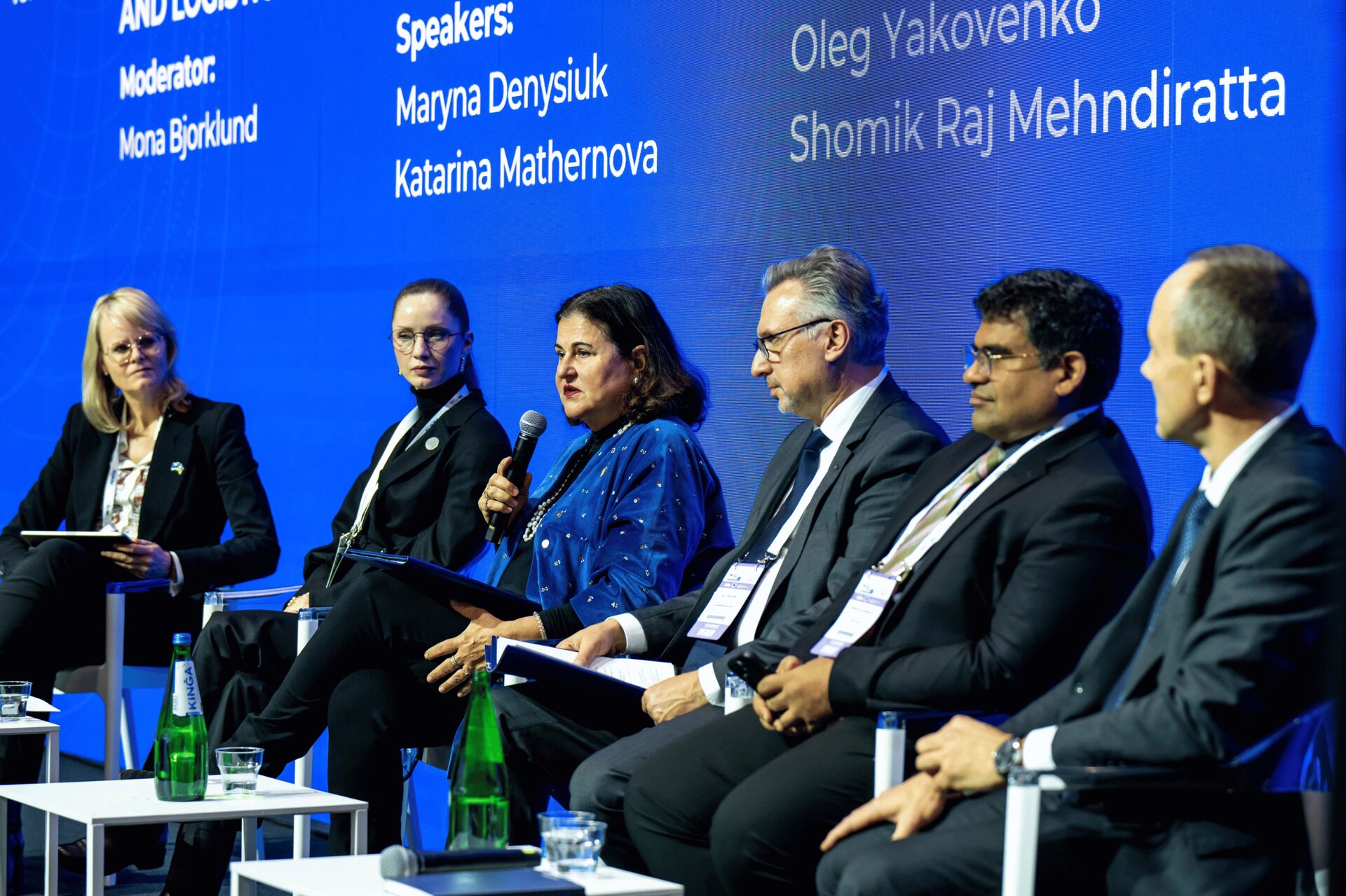
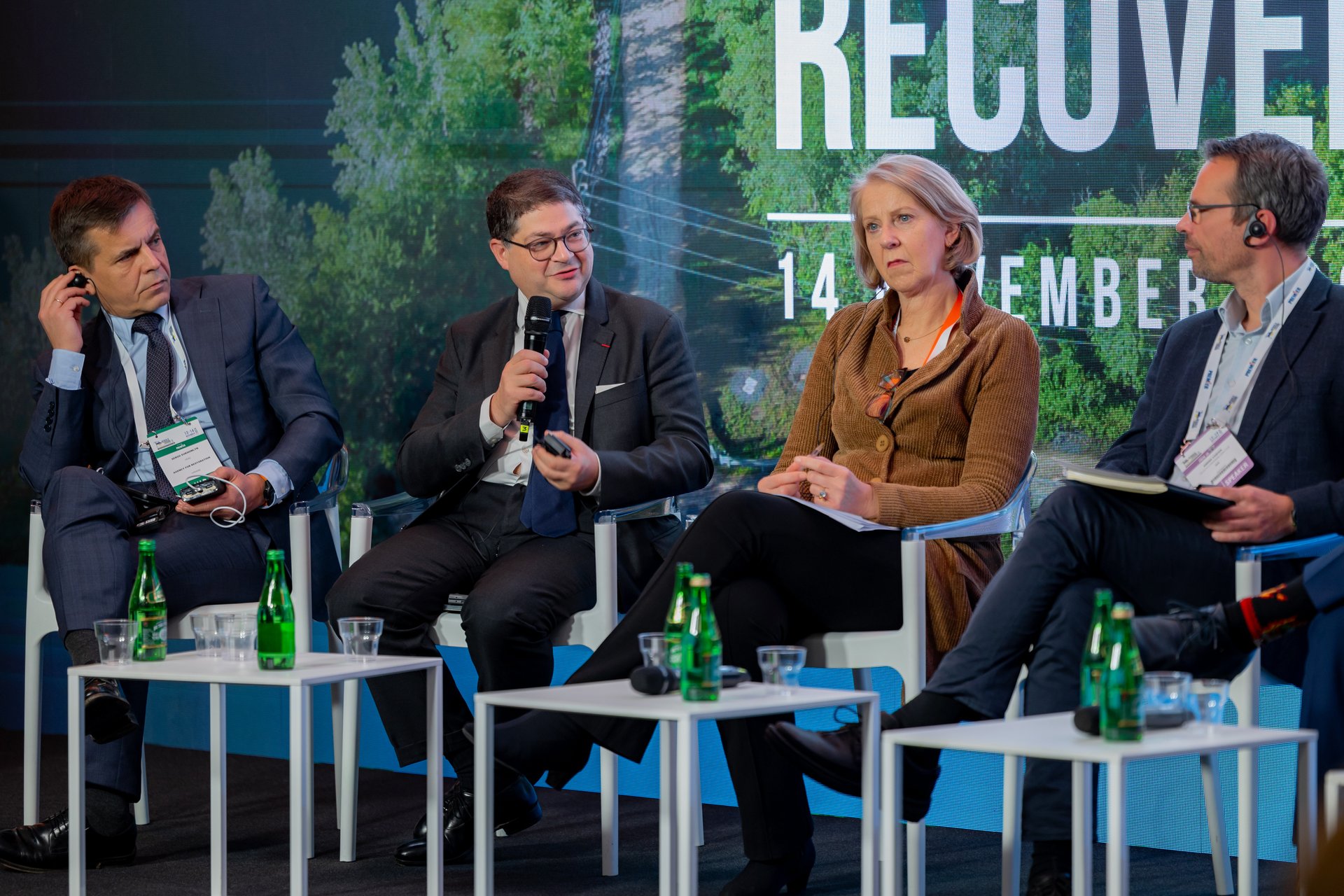
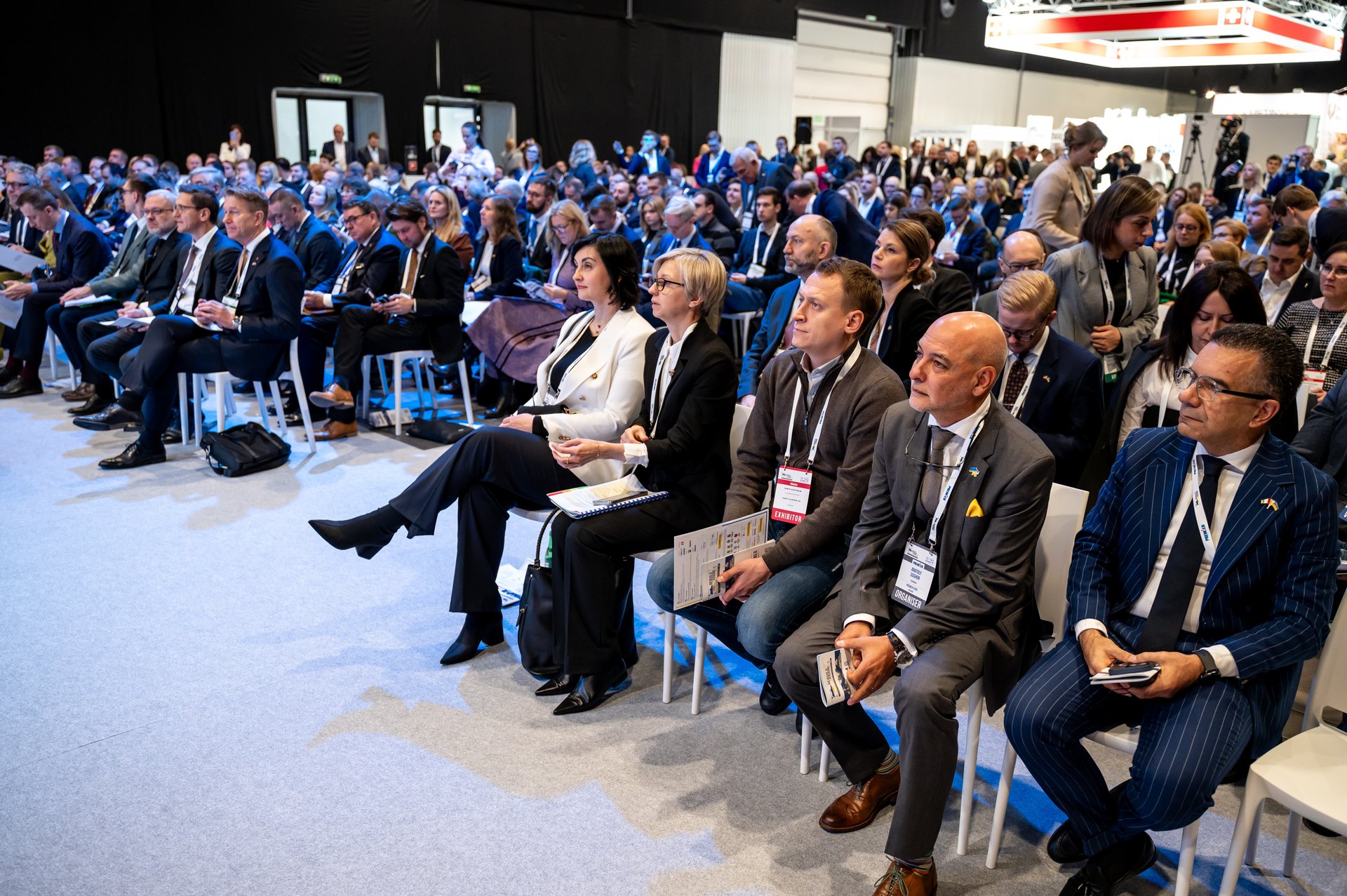
Several important developments emerged from the conference:
- Support for SMEs: The European Commission and the International Finance Corporation (IFC) launched the €146.25 million Re-Ukraine Catalyst+ programme, combining financial guarantees and grants, including support for veteran-owned businesses and companies employing veterans.
- Energy resilience: A €75 million investment agreement was announced for developing local energy infrastructure in Dmytrivska community, Kyiv region, through cooperation between Ukrainian and Polish businesses.
- Private investment: An additional €50 million was committed to the Horizon Capital Catalyst Fund, bringing its total size to €200 million, with investments targeting energy, digital infrastructure, construction and industry.
- Support for Ukrainian businesses: A €3.4 million grant programme involving PrivatBank and the European Investment Bank Group will help businesses compensate part of their borrowing costs.
- Investment project preparation: Swedfund joined the Ukraine Framework for Project Preparation, expanding international technical and grant support for developing investment-ready projects.
- Additional EU financing: Four new programmes worth €376 million were approved under the Ukraine Investment Framework, with the potential to mobilise up to €1.4 billion in additional investment.
The conference also highlighted opportunities for cooperation in defence technologies, dual-use industries, transport infrastructure, digitalisation and artificial intelligence.
Key Priorities for Ukraine
The discussions and announced initiatives point to several important priorities for Ukraine’s reconstruction:
1. Decentralised energy systems
Develop local energy systems based on cogeneration, renewable energy, battery storage and modernised distribution networks. Communities should gradually reduce their dependence on large centralised energy facilities.
2. Protection of critical infrastructure
Combine physical protection, distributed infrastructure, early-warning systems and alternative energy supply arrangements to ensure that essential public services can continue operating during attacks.
3. Investment-oriented community development
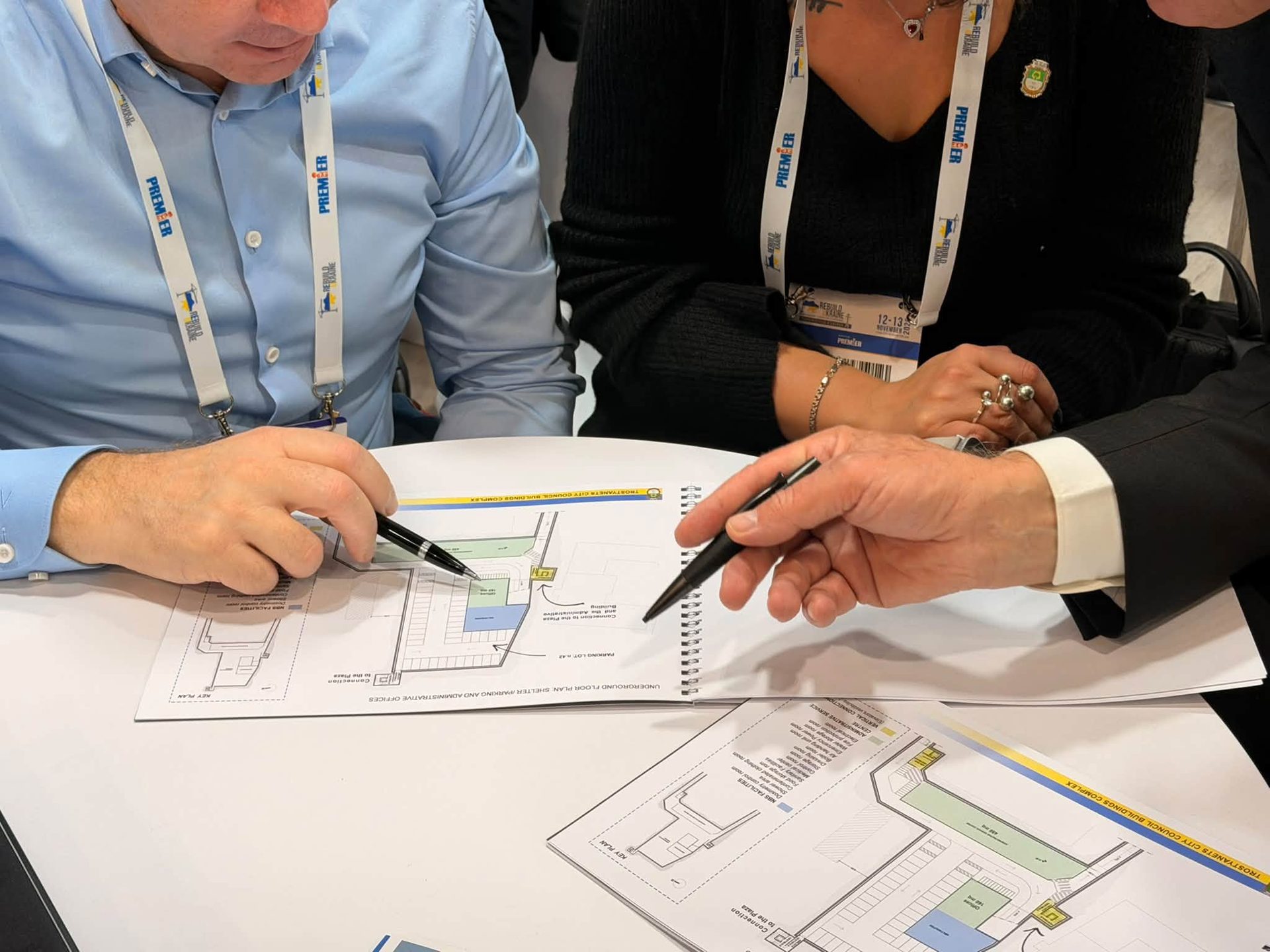
Help municipalities move beyond general reconstruction plans and develop professionally prepared investment projects with feasibility studies, technical documentation, cost estimates and clearly identified financing requirements.
4. Public-private partnerships
Expand cooperation between municipalities, Ukrainian businesses, European manufacturers and international financial institutions. Public-private partnerships can help deliver infrastructure projects that cannot be financed through local budgets alone.
5. Support for SMEs and veteran entrepreneurship
Use financial guarantees, grants, preferential financing and business development programmes to support small businesses, particularly those affected by the war, veteran entrepreneurs and companies employing veterans.
6. Digitalisation and AI in reconstruction
Introduce digital tools for damage assessment, urban planning, infrastructure monitoring, investment project management and transparent allocation of reconstruction funds.
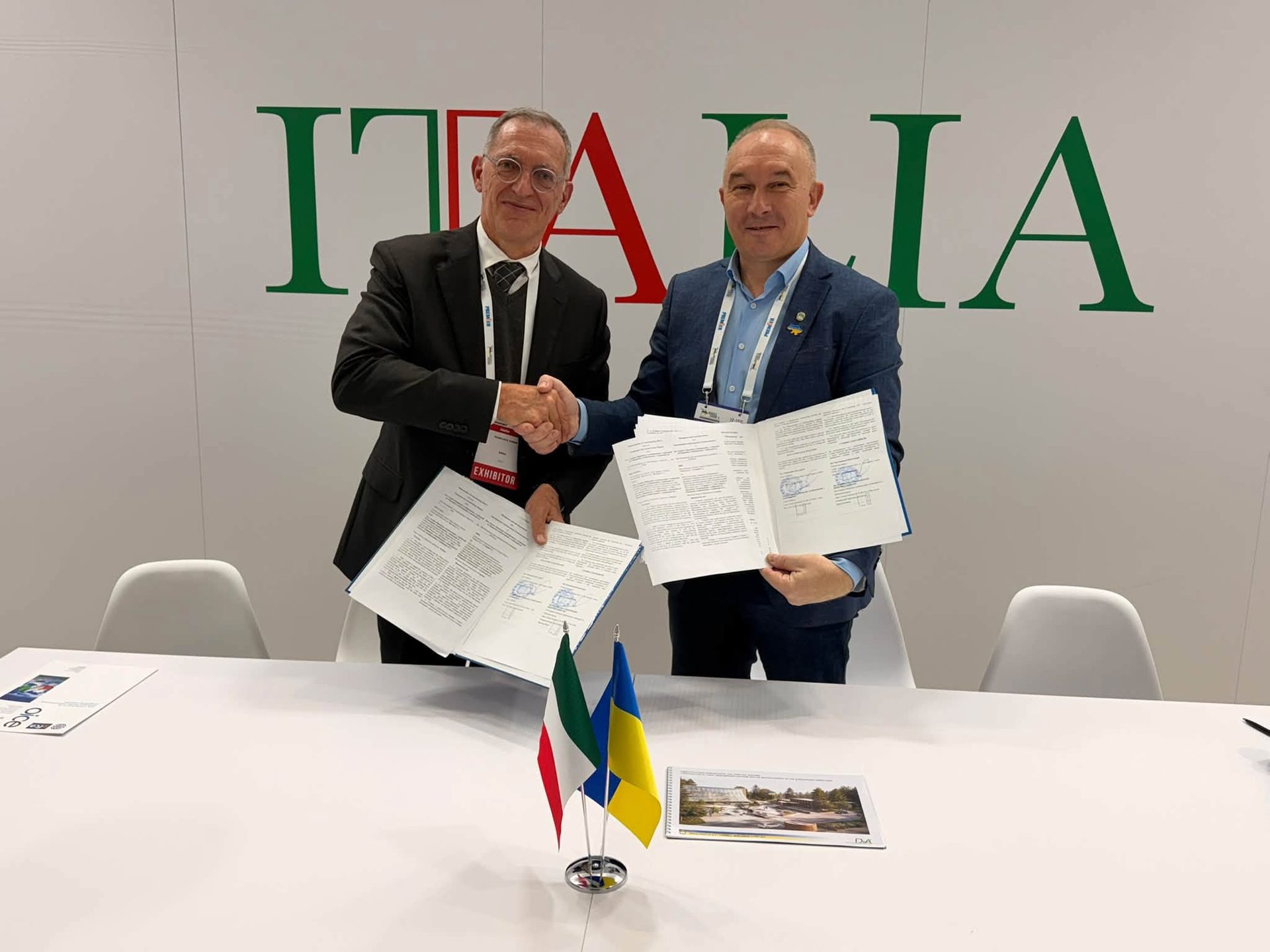
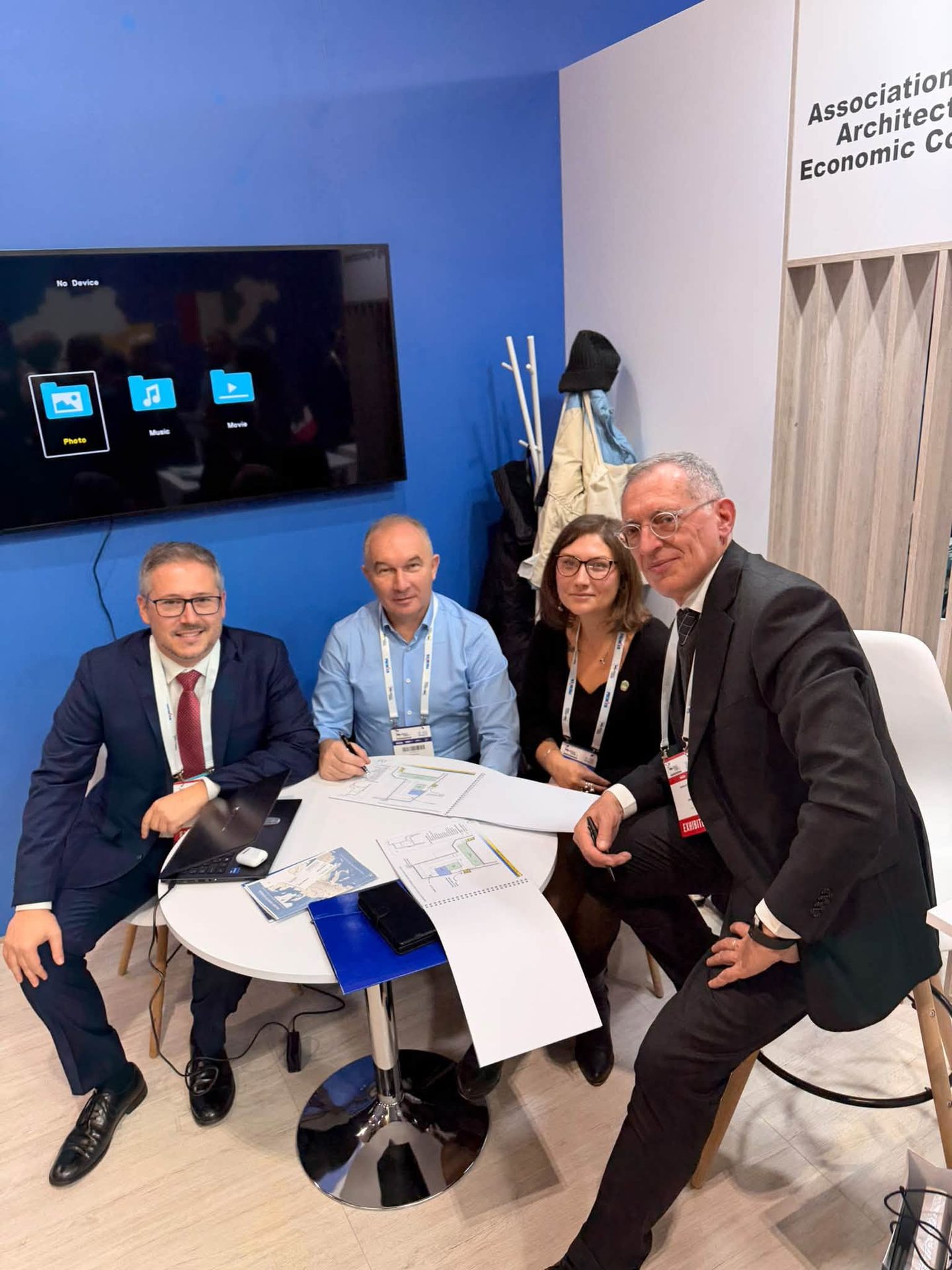
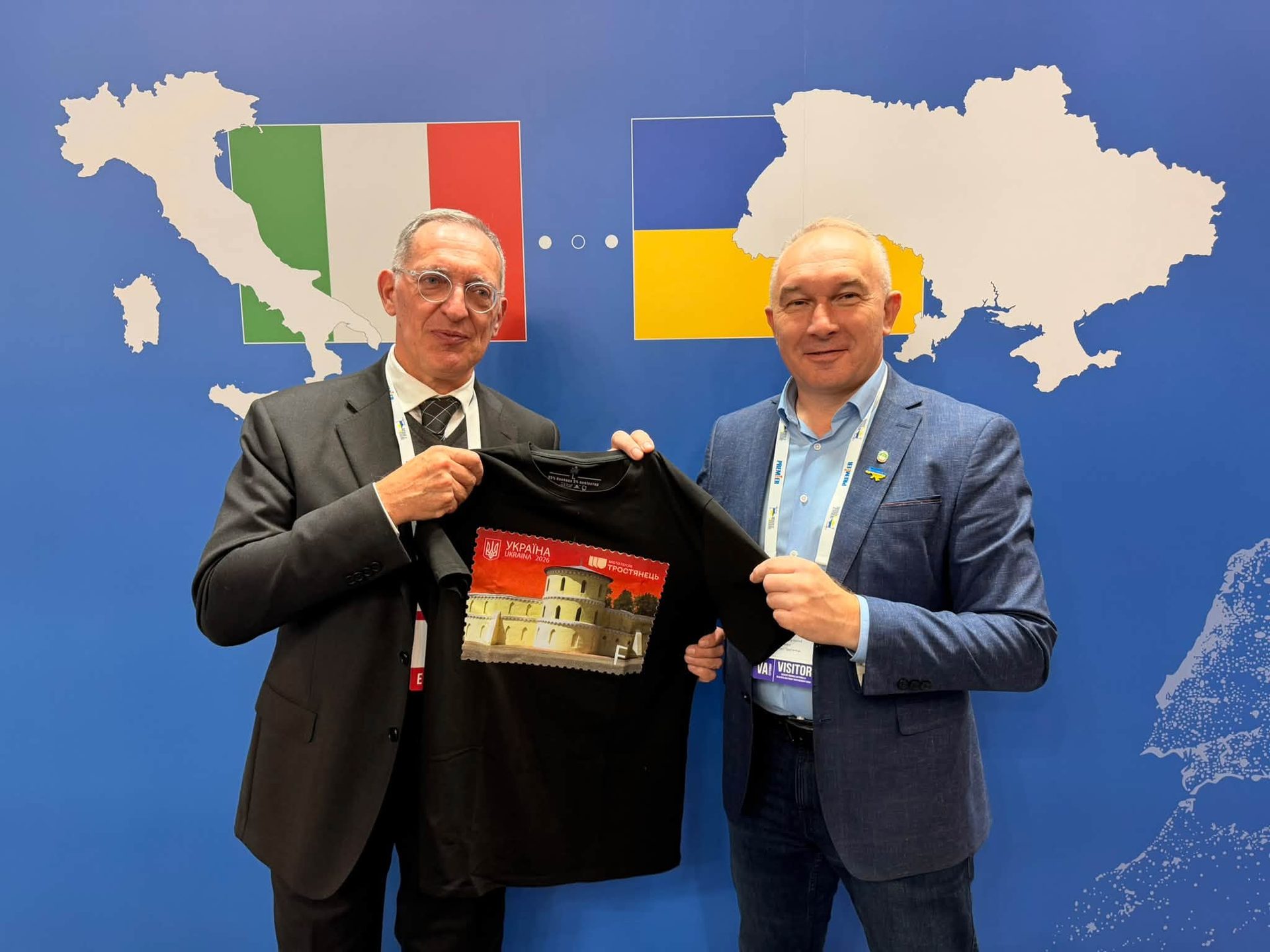
ReBuild Ukraine 2026 demonstrated that Ukraine’s reconstruction is increasingly becoming an investment and economic development agenda rather than simply a humanitarian response to war damage.
One of the most important lessons is that reconstruction must combine three dimensions: security, economic resilience and European integration.
For Ukraine, the key challenge is to translate international interest and financial commitments into practical projects at national, regional and community levels.
The greatest opportunities lie in decentralised energy infrastructure, resilient public services, modern housing, industrial development, private investment and stronger local economies.
Ultimately, successful reconstruction will depend not only on the amount of international funding available, but also on Ukraine’s ability to prepare high-quality projects, build effective partnerships and ensure transparent and accountable implementation.