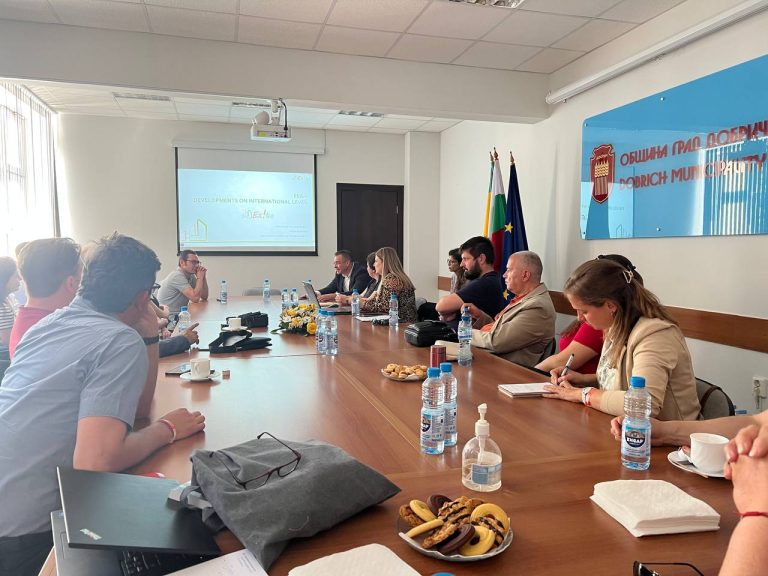
Since 2021, Association Energy Efficient Cities of Ukraine has been one of the partners of the international consortium implementing the EHITE project within the framework of the EU Horizon 2020 Program, and Trostyanets is a city included in this project as a participant in the implementation of the European Energy Label and community involvement in this process, thanks to which it was able to visit Bulgaria with a study visit.
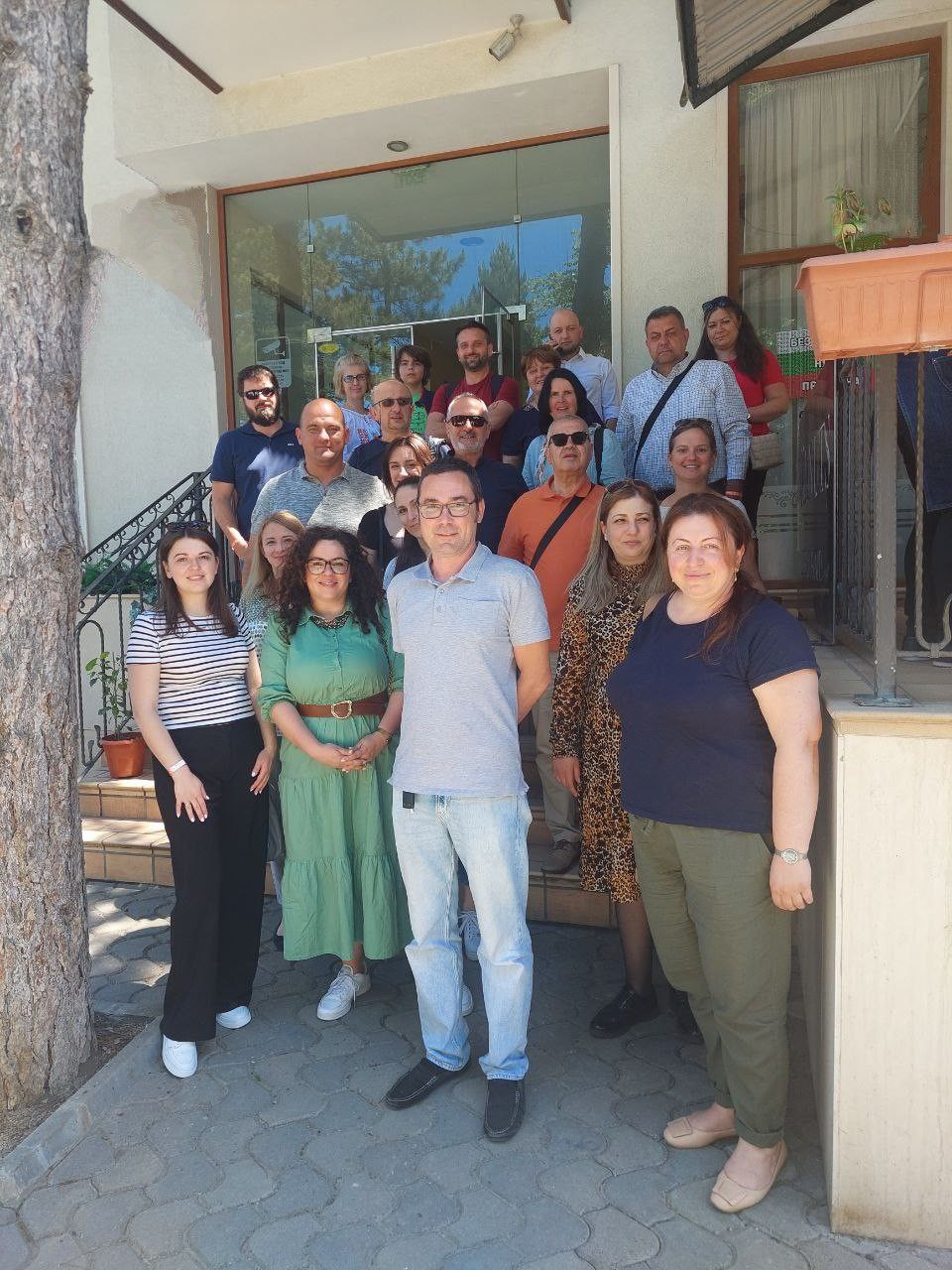
The delegation consisted of representatives of municipalities from different countries: Ukraine, Romania, Slovenia, North Macedonia, as well as partners of the Association “Energy Efficient Cities of Ukraine” from Switzerland, Austria and France.
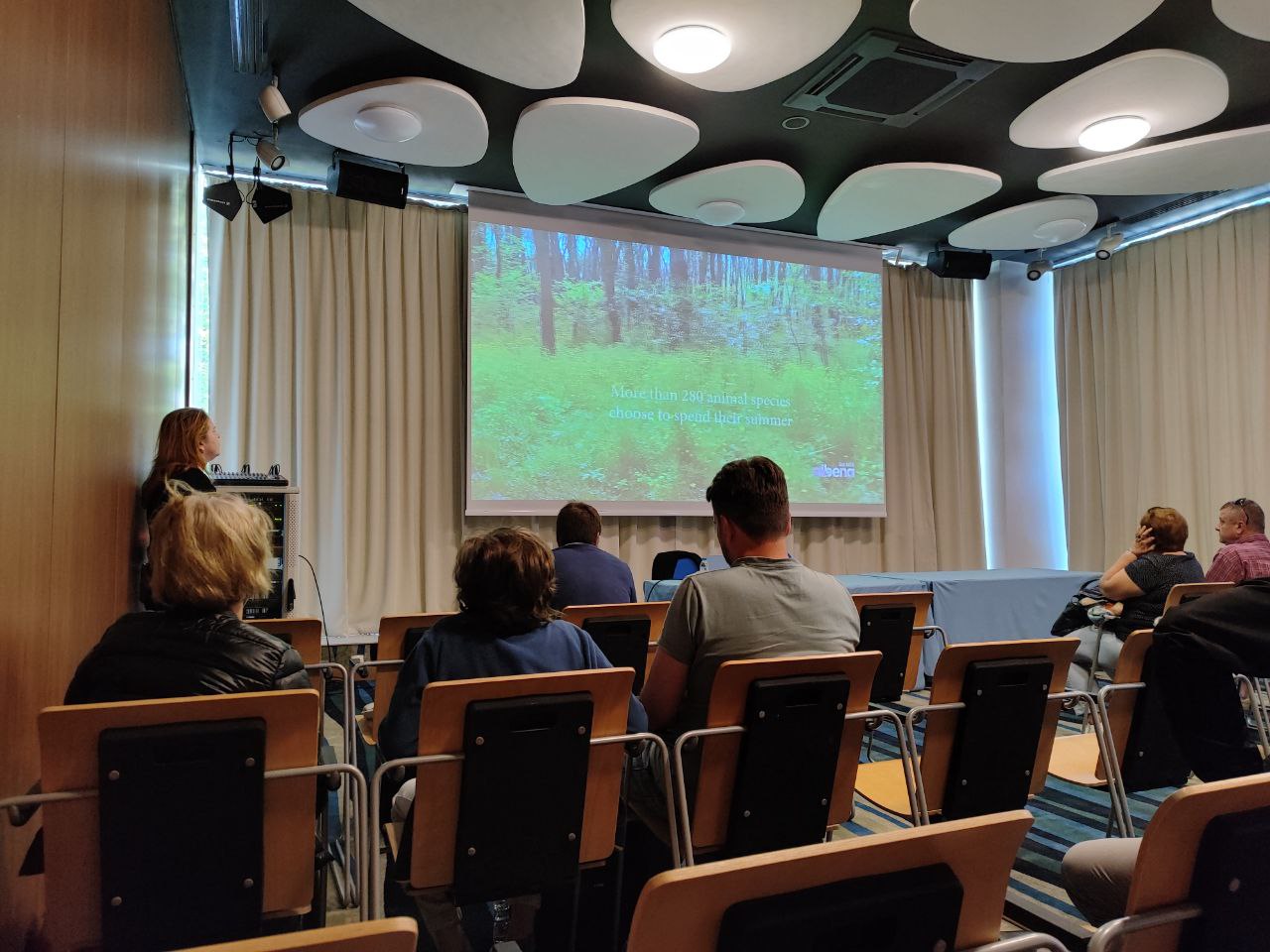
The municipality of Dobrich said that thanks to the Bulgarian Energy Efficiency Agency EnEffect, the city became one of the first to begin implementing an energy management system and working in this direction.
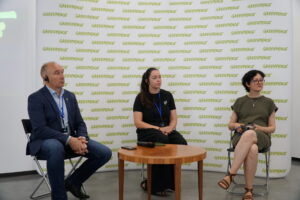
Pascal Steingruber (thanks to whom a 45 kW solar power plant was installed on the roof of the children’s department of the Trostyanets City Hospital), the head of energy efficiency projects from Switzerland, spoke about the work of the European Energy Label at the national level and outside the European Union.
Gabrielle Brandl, the head of energy efficiency projects from Austria, spoke about the importance of civil society in climate protection issues and motivating people to be involved in active actions in the fight against climate change.
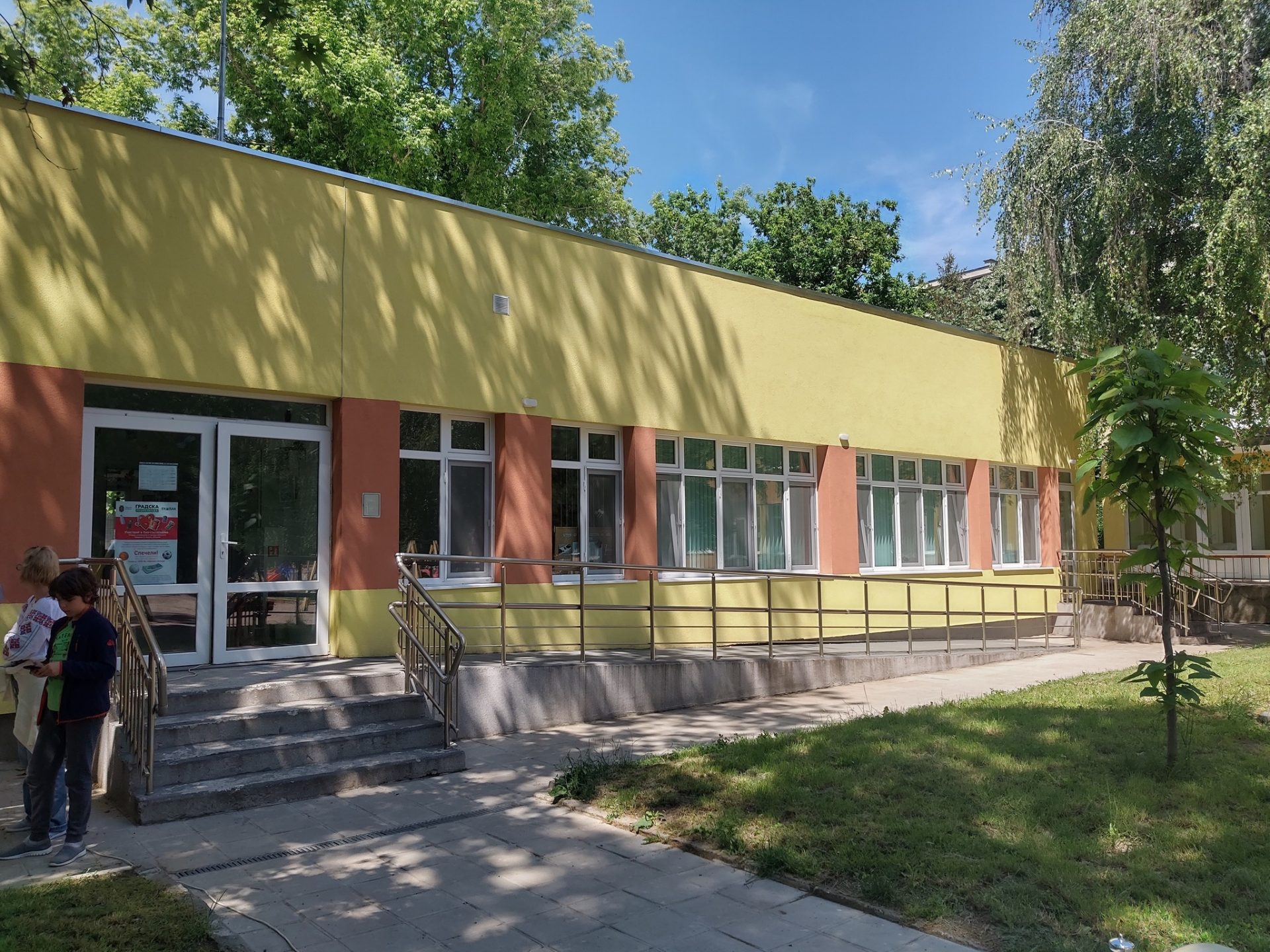
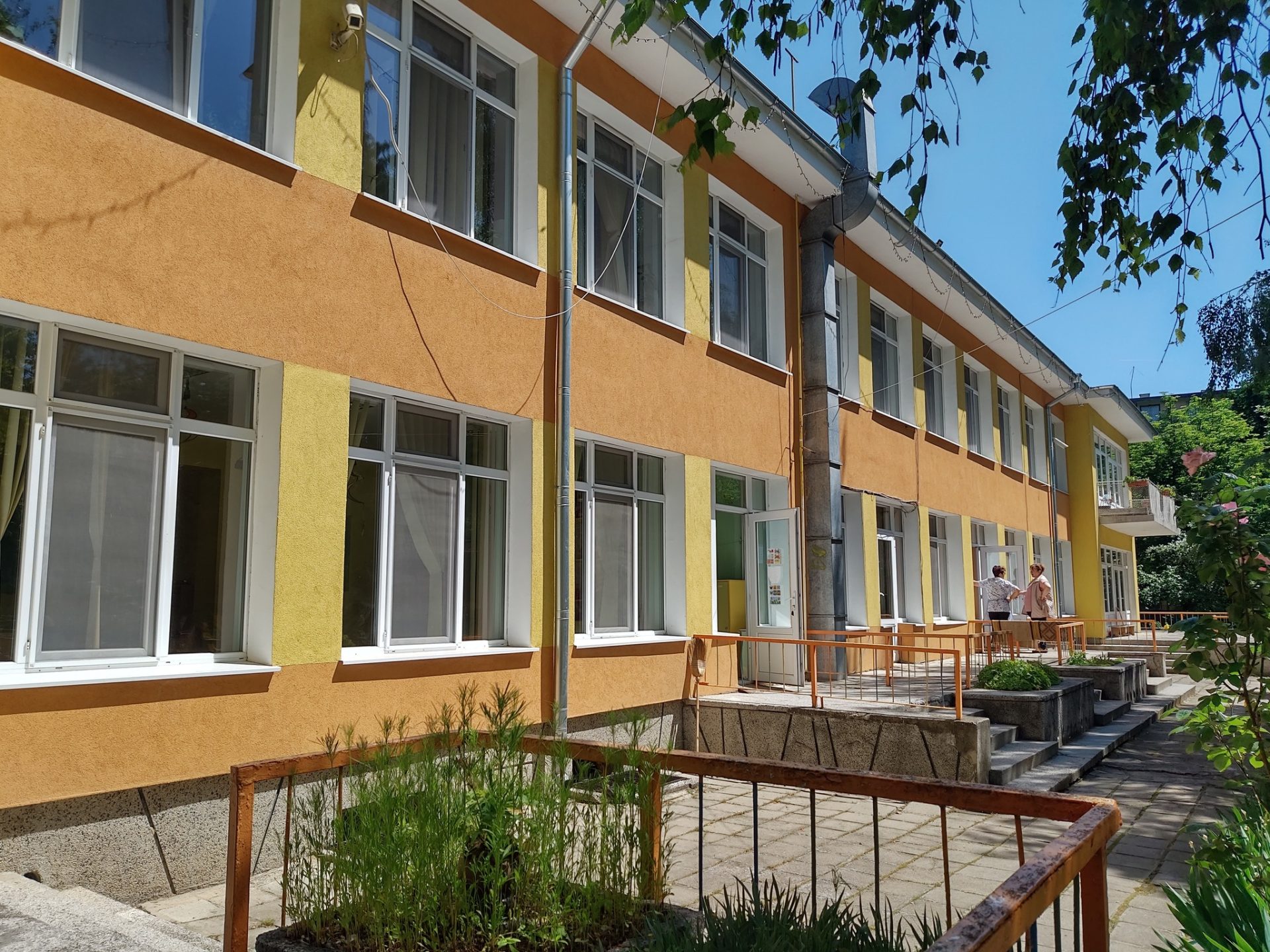
We visited a kindergarten, which was thermally modernized to energy efficiency class B. The current State Building Standards of Ukraine provide for a minimum energy efficiency class C for public buildings that are subject to thermal modernization, but due to the more severe climate, we have to use thicker insulation and windows with greater heat transfer resistance, which in turn is reflected in the cost of the work.
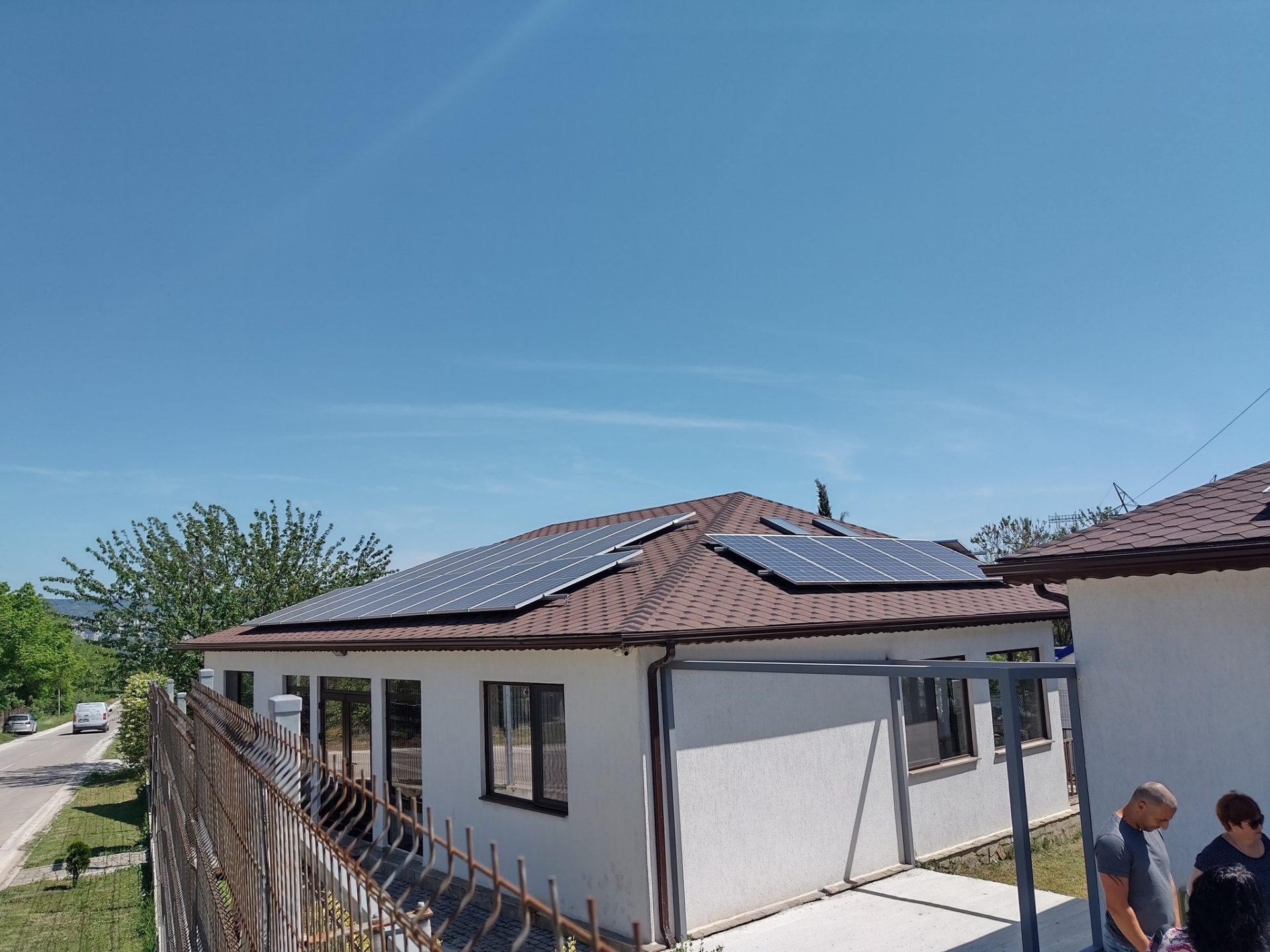
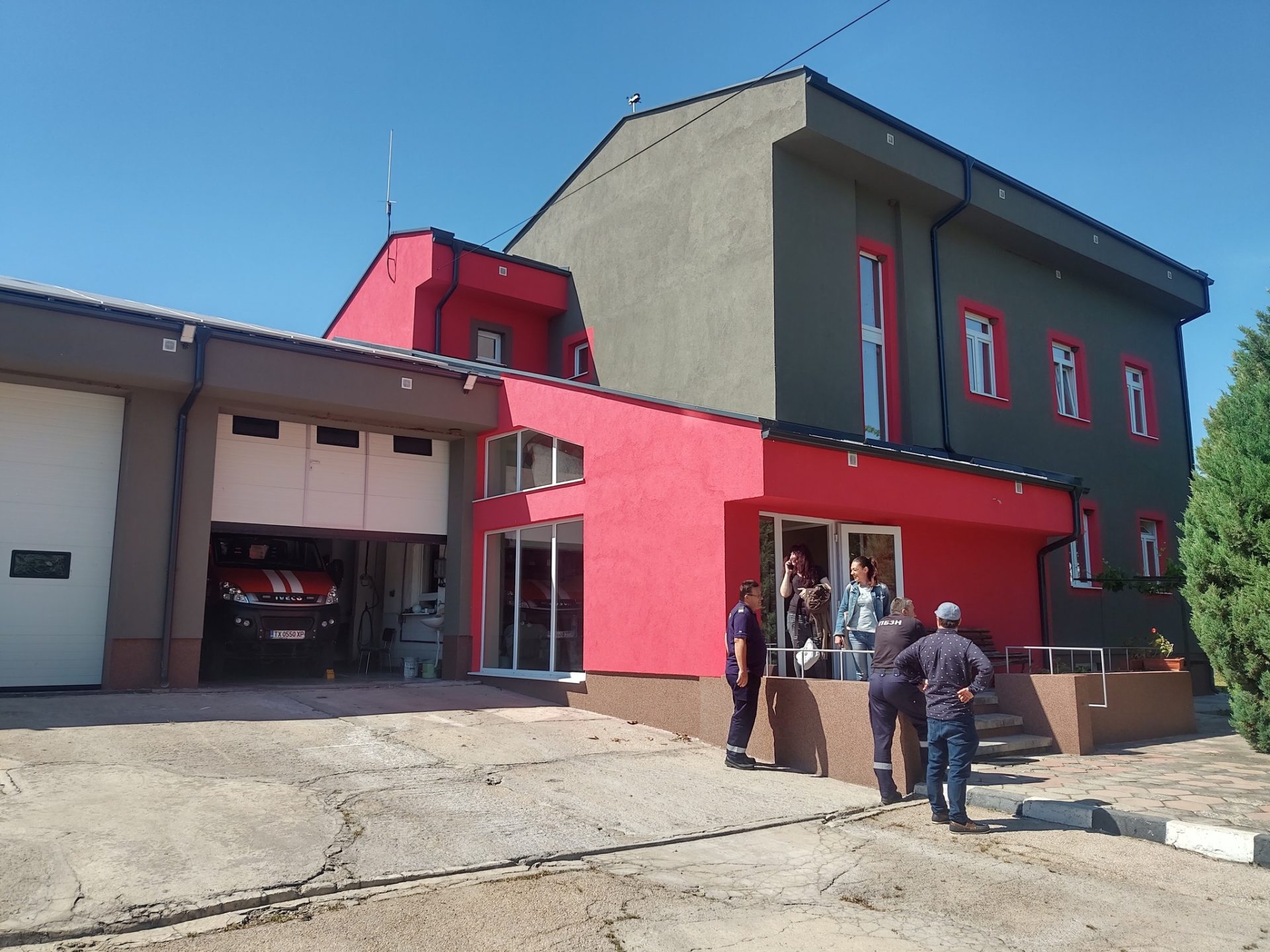
We visited a fire station, which was also completely thermally modernized. A solar power plant has been installed for full heating and cooling of the building. An energy monitoring system has been introduced.
We visited a company that designs and installs solar power plants. The company’s office has its own rooftop solar power plant with a capacity of 30 kW, which is used for its own needs and for charging staff electric cars. The cost of 1 kW of installing a hybrid power plant, as in Ukraine, is about 1,000 euros.
From everything we have seen, based on today’s realities and taking into account that during the month of occupation, the residents of Trostyanets experienced firsthand what it is like to live without electricity, it is necessary to conclude that maximum energy independence is what we need to strive for, gradually making all utility facilities “passive” so that they can function regardless of the presence of centralized electricity supply.