
First Ukraine Annual Housing Conference (AHC) organized by the World Bank Group and Ministry of Communities, Territories, and Internally Displaced Persons of Ukraine.
The first Ukraine Annual Housing Conference 2026 (AHC 2026) was held in Kyiv on 3–5 November 2026 under the overarching theme: “Rebuilding Homes, Restoring Communities, Scaling Housing Solutions for Recovery and Growth.”
The conference became one of Ukraine’s major professional platforms for discussing the future of national housing policy. It brought together representatives of central government institutions, local authorities, international financial institutions, the banking sector, investors, property developers, civil society organisations and academic and policy experts.
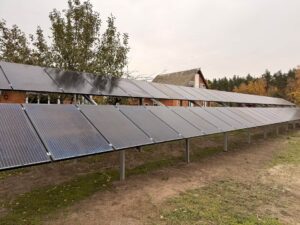
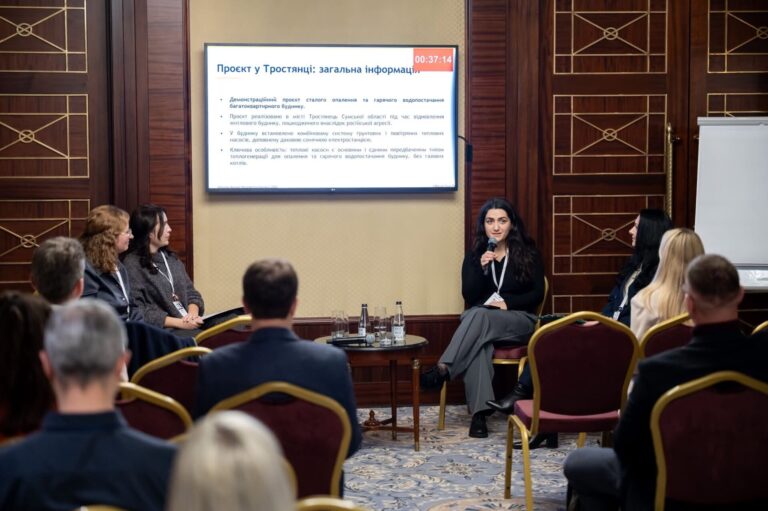
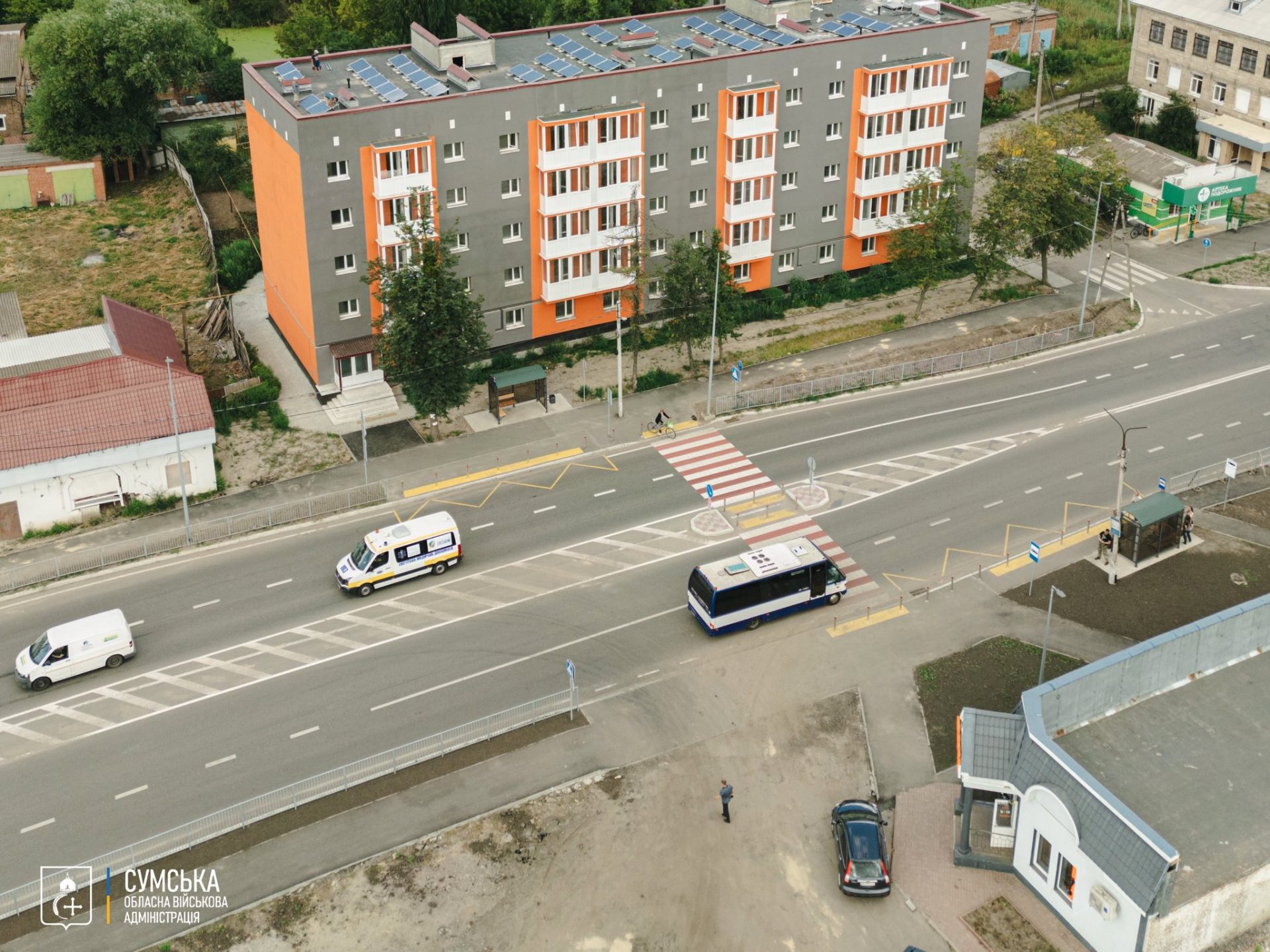
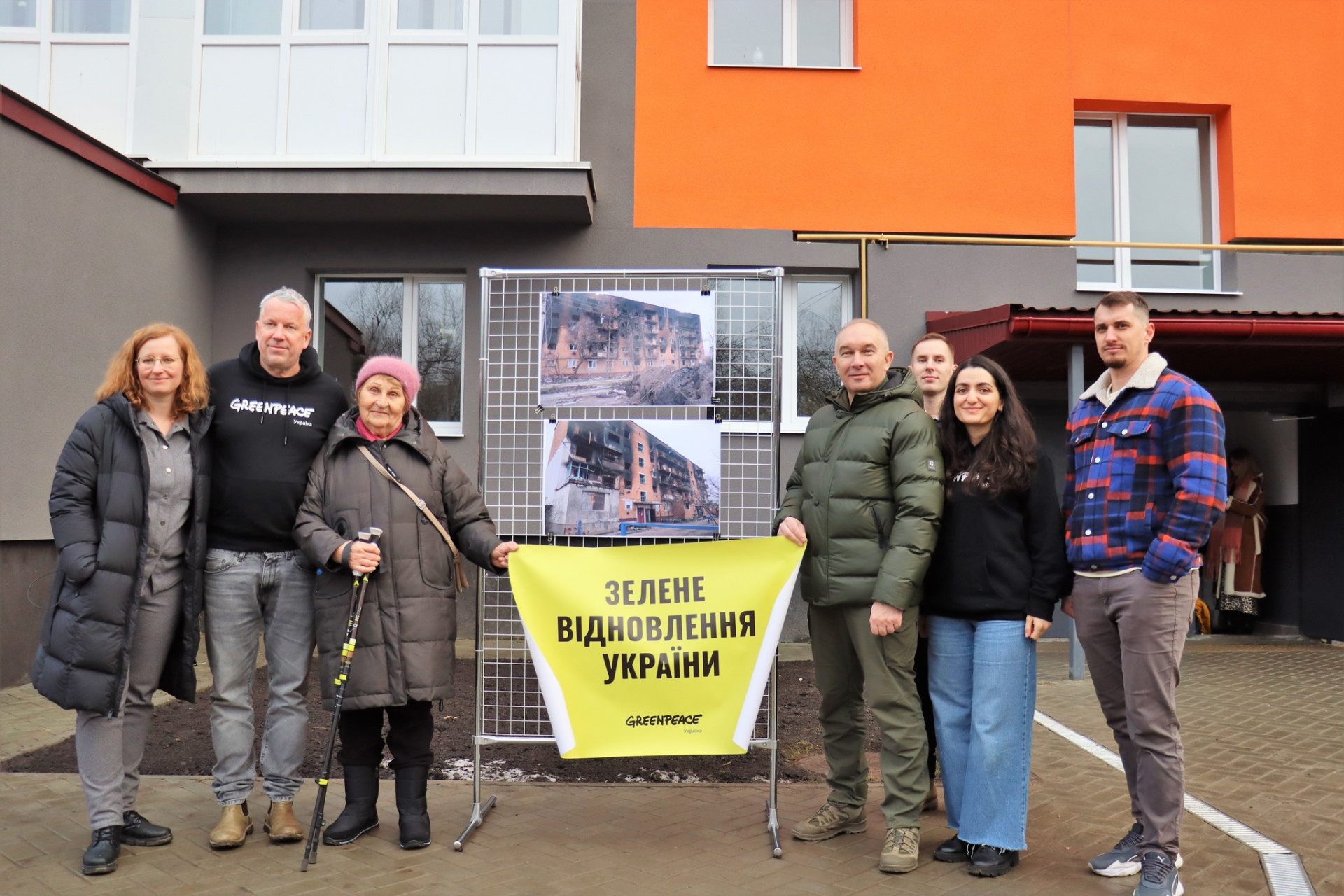
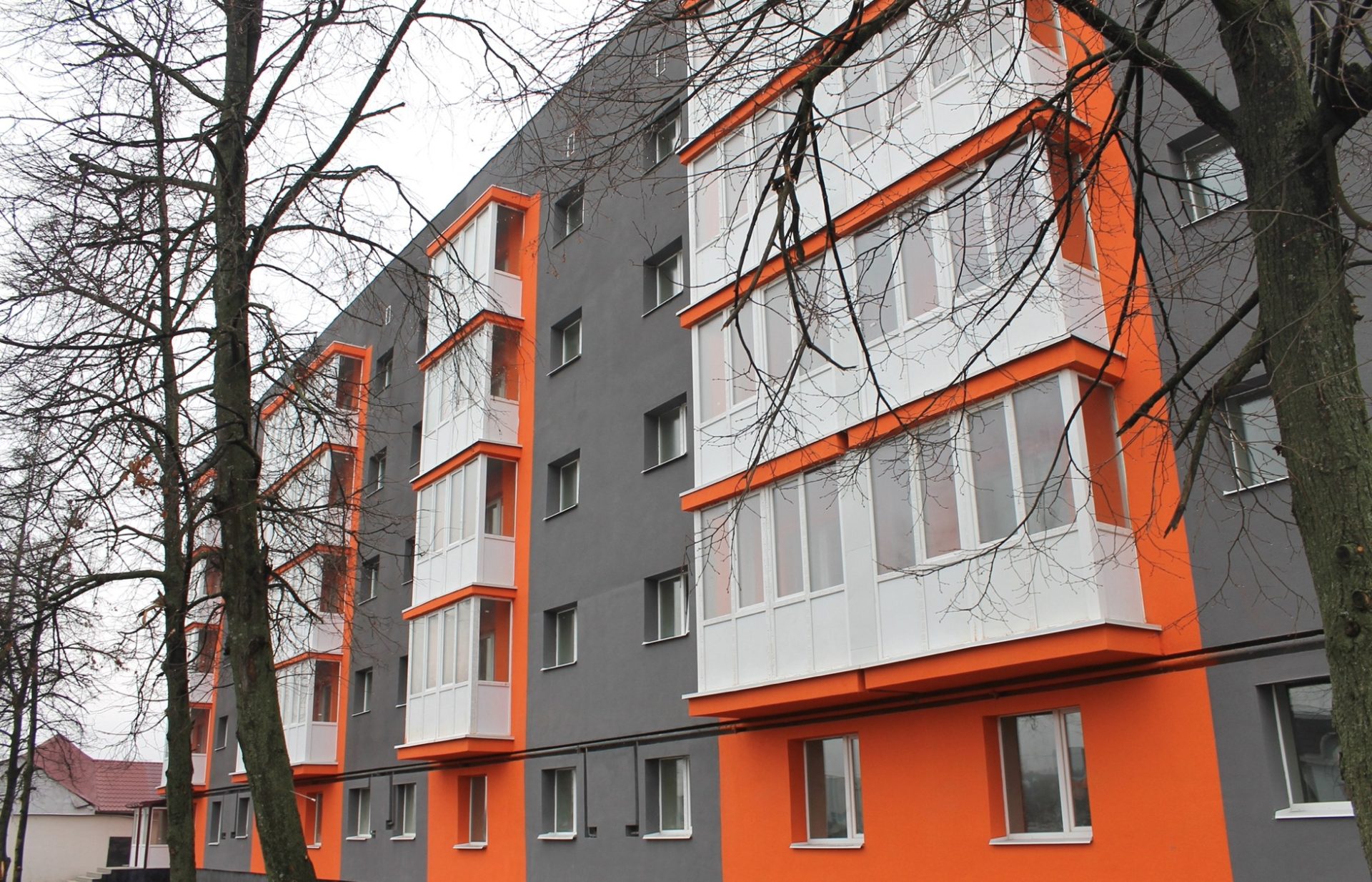
During the temporary occupation, an apartment building in Trostyanets city sustained severe damage. However, following the city’s liberation in the spring of 2022, the building was given a new lease on life; today, it stands as a prime example of “green” reconstruction and energy independence.
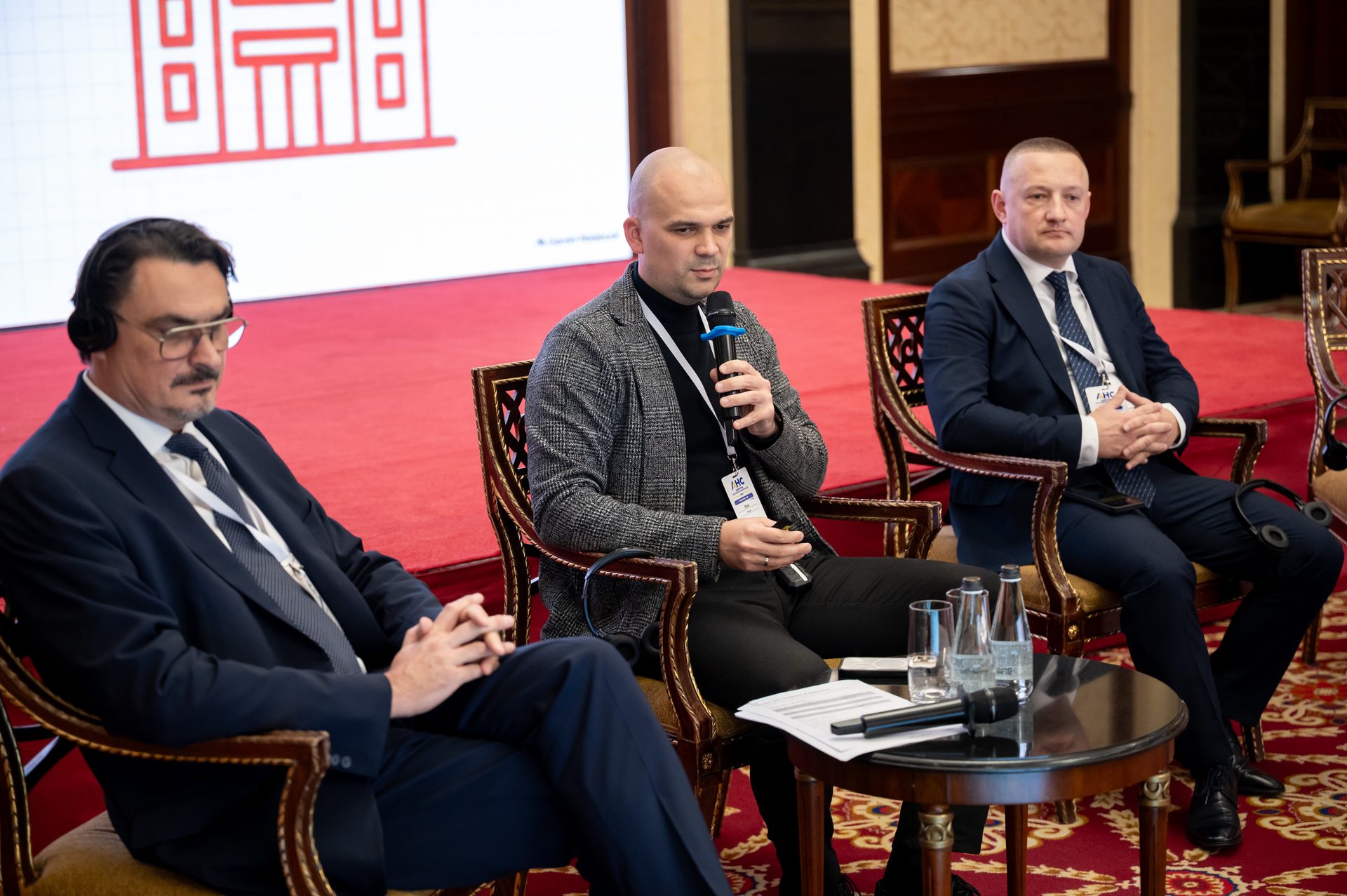
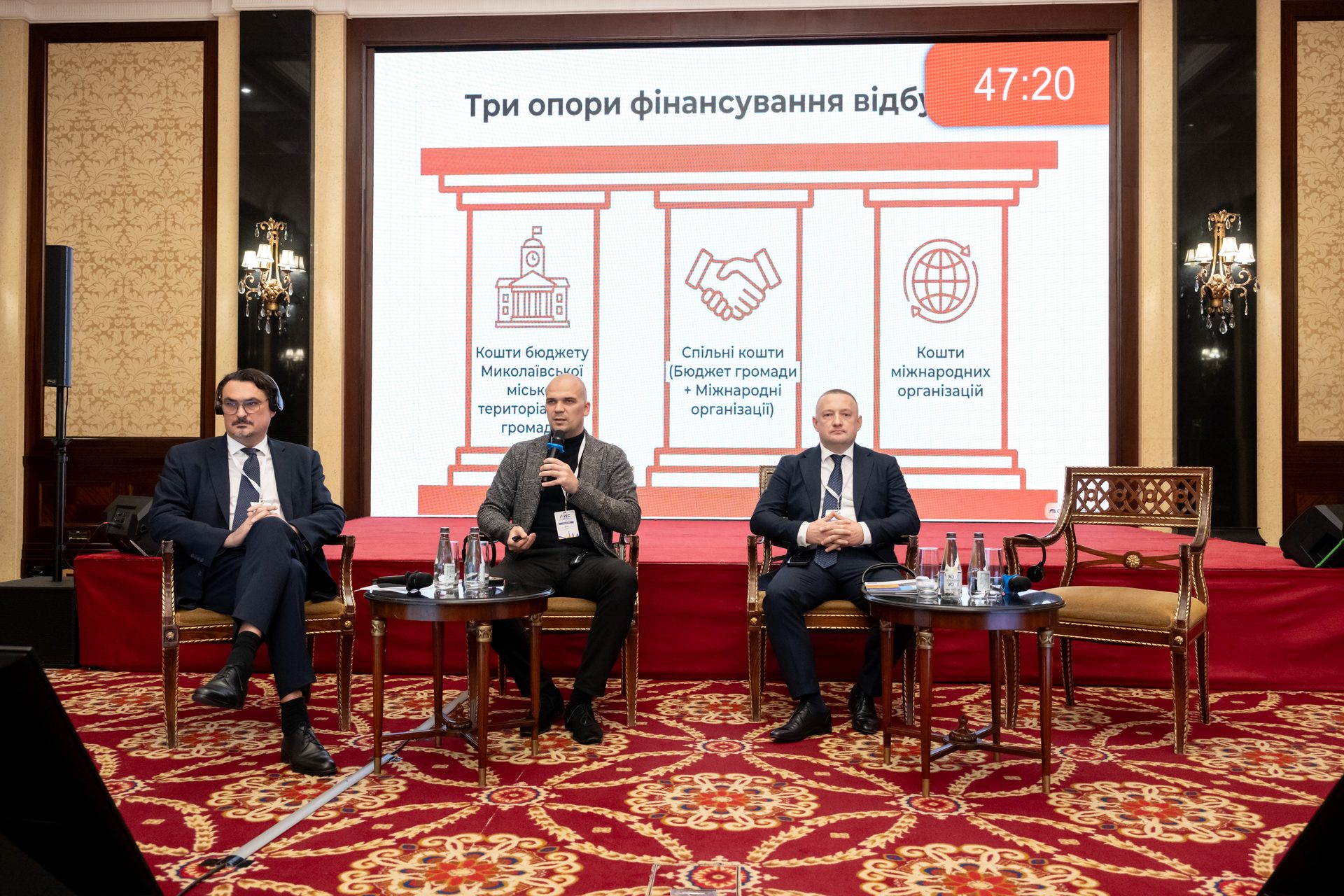
Greenpeace Україна Marine Abramian, a Green Energy Campaign Coordinator in Greenpeace Україна presented this case study at the Ukraine Annual Housing Conference 2026. The event focused on the reconstruction of Ukraine’s housing sector, the recovery of municipalities, and the implementation of modern housing solutions.
The conference was organized by the Ministry for Communities, Territories, and Internally Displaced Persons (MinRegion) in partnership with the World Bank Group, bringing together over 900 participants in Kyiv.
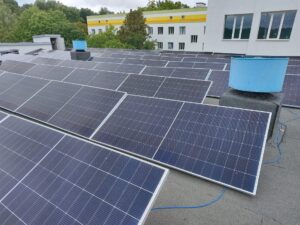
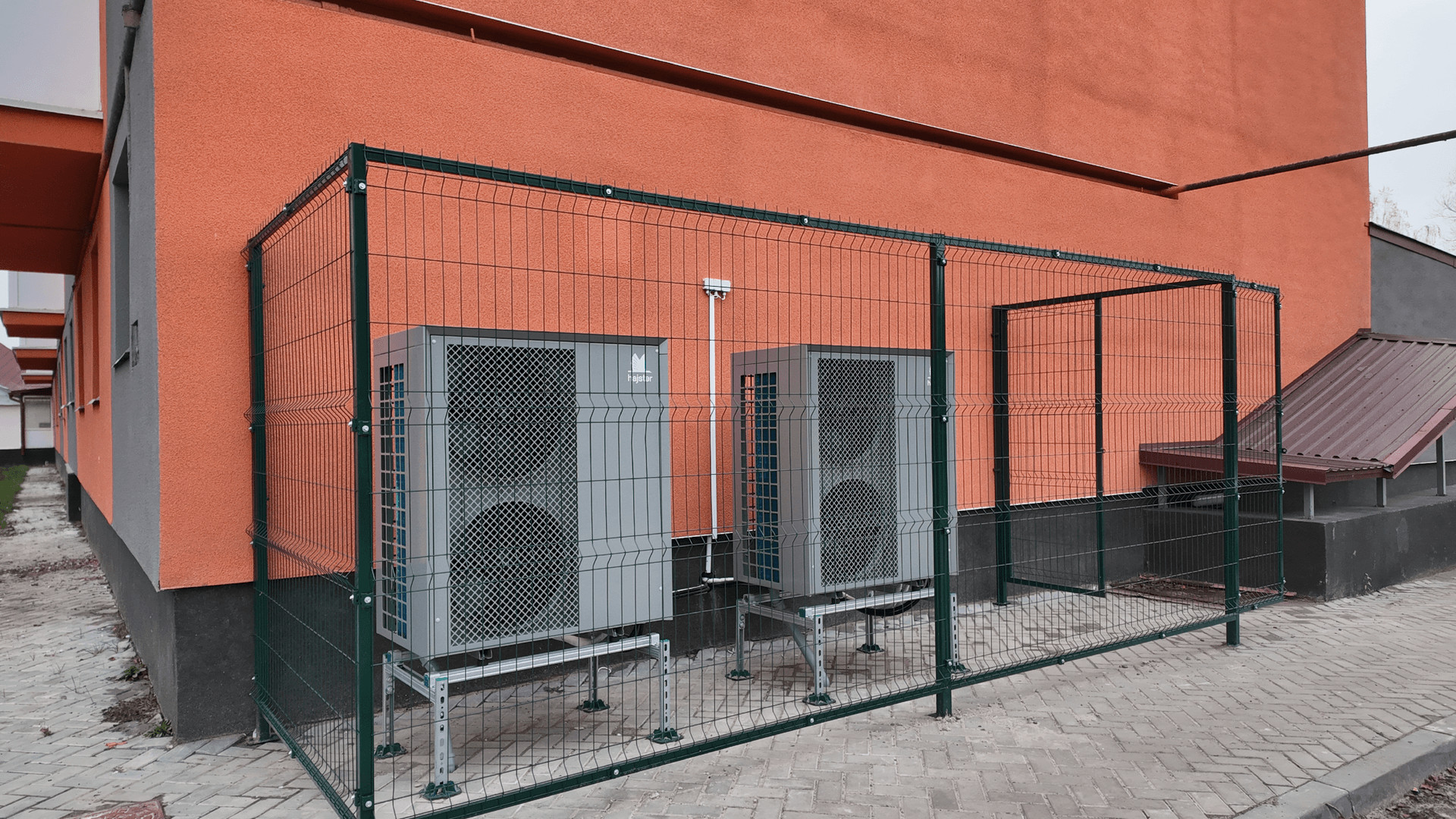
The restored building in Trostyanets is equipped with a system of ground-source and air-source heat pumps, complemented by an on-site rooftop solar power plant.
As a result of these upgrades, the building’s final energy consumption and annual CO₂ emissions have been reduced by an estimated 36%. Comprehensive energy retrofitting of typical Ukrainian five-story apartment buildings—including the installation of heat pumps—has the potential to cut energy consumption by 73% and CO₂ emissions by more than 70%.
Greenpeace Україна emphasizes that the reconstruction of destroyed housing must ensure energy efficiency and prevent continued reliance on fossil fuels.
Scaling up such solutions requires accessible financing, the removal of regulatory barriers, and government support for sustainable heating systems. “Trostyanets proves that sustainable heating for apartment buildings is possible today. The next step is to make such solutions accessible throughout Ukraine”, – emphasized Marine Abramian.


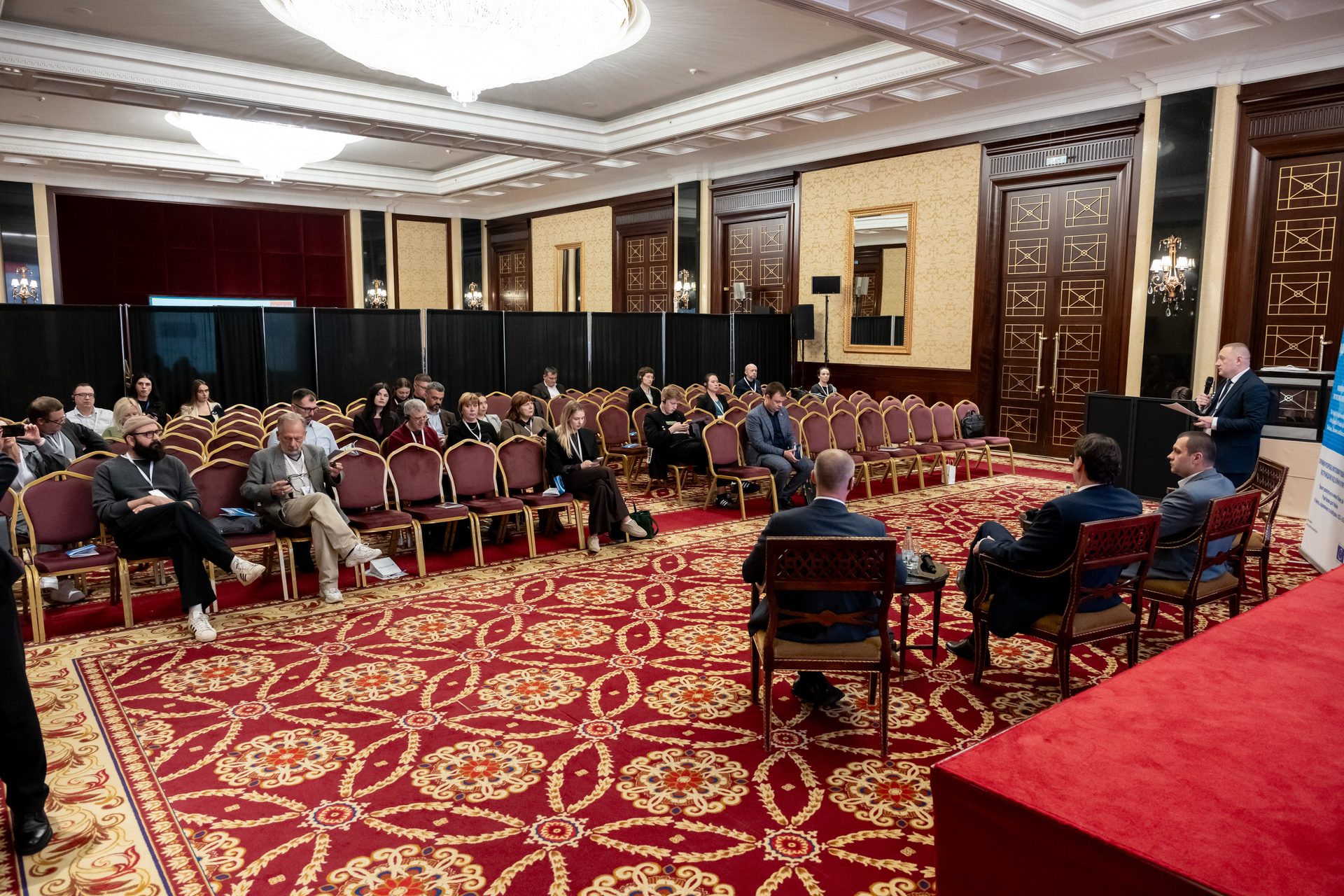
The conference was organised by the World Bank Group in cooperation with Ukrainian government partners, with the participation of 54 organisations. According to the organisers’ reported figures, the event attracted 587 in-person participants and several hundred online participants. The programme included four plenary sessions and 59 thematic sessions.
The main significance of the conference lies in the fact that housing was discussed not merely as an issue of compensation for destroyed property or the construction of new residential buildings. Rather, the discussions focused on a much broader challenge: establishing a comprehensive, financially sustainable and socially oriented housing policy capable of addressing the consequences of the war while creating the foundations for the long-term development of Ukrainian communities.
This reflects a gradual transition from predominantly emergency responses to housing needs towards the development of a long-term national housing framework.
The conference also highlighted the need to connect housing recovery with wider public policy priorities, including regional development, social protection, economic recovery, demographic resilience and the return of displaced populations.
Ultimately, the central question was not simply how to rebuild the homes destroyed by the war, but how to establish a housing system that is accessible, affordable, resilient and sustainable for Ukraine’s future.
Housing as a Strategic Component of Ukraine’s National Recovery
One of the most important messages emerging from the conference was the need to reconsider the role of housing in Ukraine’s recovery. For many years, housing policy in Ukraine was largely associated with property ownership, mortgage lending, construction activity and the administration of existing housing stock. The full-scale Russian invasion fundamentally changed this context.
Housing has become simultaneously:
- A humanitarian necessity for millions of people affected by the war.
- A key factor influencing internal displacement and migration.
- An essential condition for the return of Ukrainian citizens from abroad.
- A prerequisite for the economic recovery of communities.
- An important element of social cohesion and demographic resilience.
- A major area requiring public investment and international financial support.
The discussions at AHC 2026 reinforced the understanding that housing cannot be treated as an isolated sector of public administration.
The availability of affordable and adequate housing directly affects whether displaced families can settle in a new community, whether veterans can successfully reintegrate into civilian life, whether young families can remain in Ukraine and whether businesses can attract and retain employees.
This makes housing policy an important instrument of national resilience.
Transition from Emergency Assistance to a Comprehensive Housing System
A second major theme was the need to move beyond emergency housing interventions.
Since the beginning of the full-scale invasion, the Ukrainian state and international partners have introduced numerous mechanisms to support people who have lost their homes or been forced to relocate.
These include compensation for destroyed housing, housing vouchers, preferential mortgage programmes, temporary accommodation, repairs to damaged residential buildings and various forms of social and humanitarian assistance.
Although these instruments address urgent needs, they do not yet constitute a fully integrated housing system.
Different programmes often operate under different eligibility criteria, administrative procedures, financing arrangements and institutional responsibilities. As a result, individuals and families may face difficulties identifying the programme most suitable for their circumstances, understanding their eligibility or combining different forms of assistance.
The conference highlighted the importance of developing a more coherent approach based on the diversity of housing needs.
Differentiated housing solutions
A sustainable housing system should recognise that different groups require different forms of support.
| Target group | Potential housing solutions |
|---|---|
| Internally displaced persons | Social housing, affordable rental housing, housing vouchers and preferential mortgages |
| Veterans and their families | Accessible housing, preferential mortgages, adapted accommodation and community-based housing support |
| People with disabilities | Barrier-free housing, adapted apartments and accessible community infrastructure |
| Families with children | Affordable long-term rental housing, social housing and family-oriented housing programmes |
| Low-income households | Social rental housing and targeted housing subsidies |
| Young people and young families | Affordable mortgages, rental programmes and cooperative housing |
| People returning from abroad | Affordable rental options, mortgage access and incentives for regional settlement |
| Residents of war-damaged areas | Housing reconstruction, compensation and temporary accommodation |
The key policy principle should be to match housing instruments to the actual needs, financial capacities and long-term circumstances of households.
Social housing as a central instrument
An important issue is the development of a functioning social housing sector.
Social housing should not be understood exclusively as temporary accommodation for the poorest households. It can become a long-term instrument for ensuring housing security for people who cannot independently access the private housing market.
This requires:
- A clear legal definition of social housing.
- Transparent eligibility and prioritisation criteria.
- A sustainable financing model.
- A sufficient supply of social housing units.
- Effective management and maintenance arrangements.
- Appropriate mechanisms for allocating and monitoring housing.
The Council of Europe emphasised that access to housing programmes must be fair, transparent and consistent with European human rights standards. It also highlighted the importance of developing a single housing information and analytical system.
Public investment priorities
During the conference, the leadership of the Verkhovna Rada highlighted the proposed allocation of UAH 84.9 billion for housing policy in the 2027 draft state budget.
The parliamentary discussion also emphasised that the effectiveness of housing expenditure should be measured not simply by the amount of funding allocated but by the number of households whose housing needs have actually been resolved.
This is an important shift towards results-based public financing.
It suggests that future housing programmes should be assessed through indicators such as:
- Number of households provided with adequate housing.
- Number of affordable housing units created.
- Number of displaced families achieving long-term settlement.
- Number of veterans receiving appropriate housing support.
- Reduction in the number of households living in inadequate accommodation.
- Long-term affordability and maintenance costs.
The distinction between financial inputs and actual social outcomes should become a fundamental principle of housing programme evaluation.