Project objective
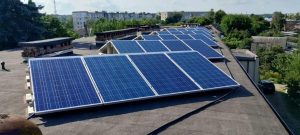
Ensuring energy independence of critical infrastructure facilities of the Trostyanets city hromada by installing solar power plants with a total capacity of 250 kW. This will create conditions for the uninterrupted operation of the Trostyanets City Hospital, two municipal water intakes and treatment facilities in the absence of centralized power supply.
The relevance of the project
Due to the ongoing energy crisis caused by the massive shelling of Ukraine’s energy infrastructure, communities are forced to look for effective solutions to ensure the continued operation of critical facilities. The issue of energy resilience is particularly relevant for medical facilities, water supply, and sewage systems, which affect the health and safety of thousands of residents.
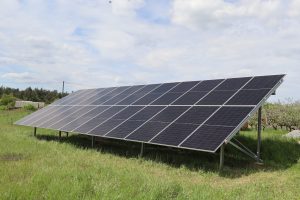
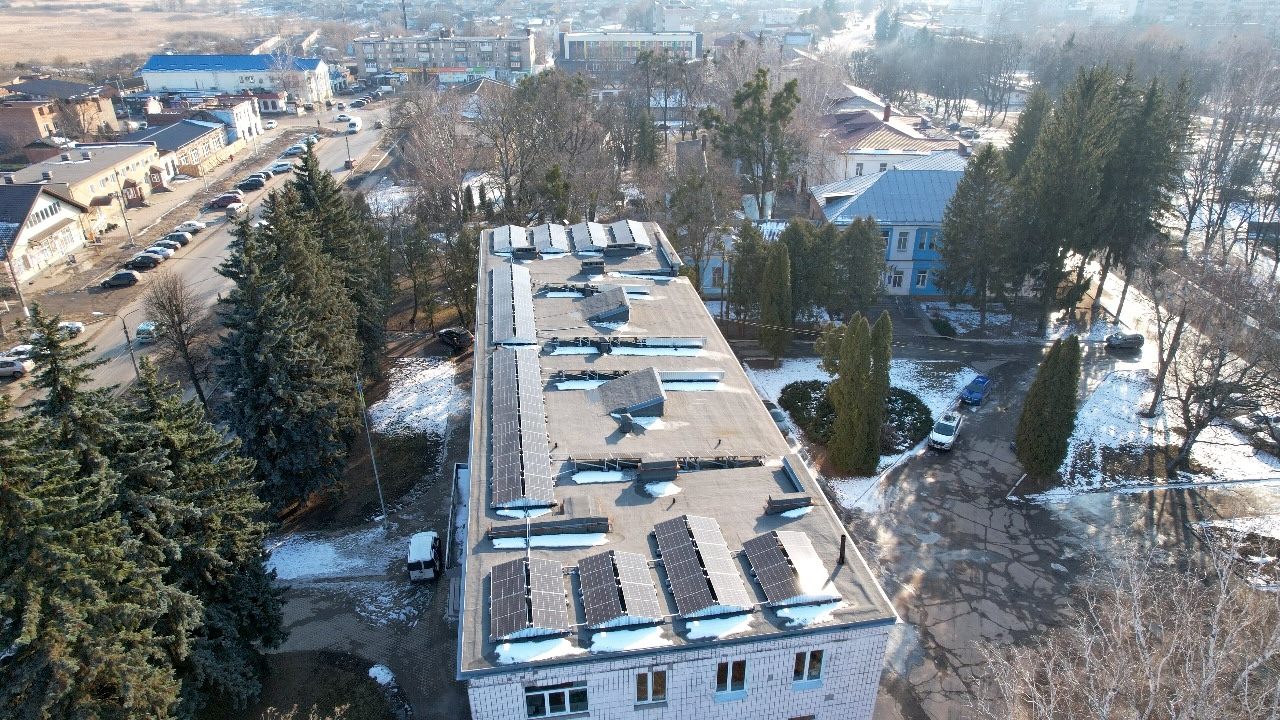
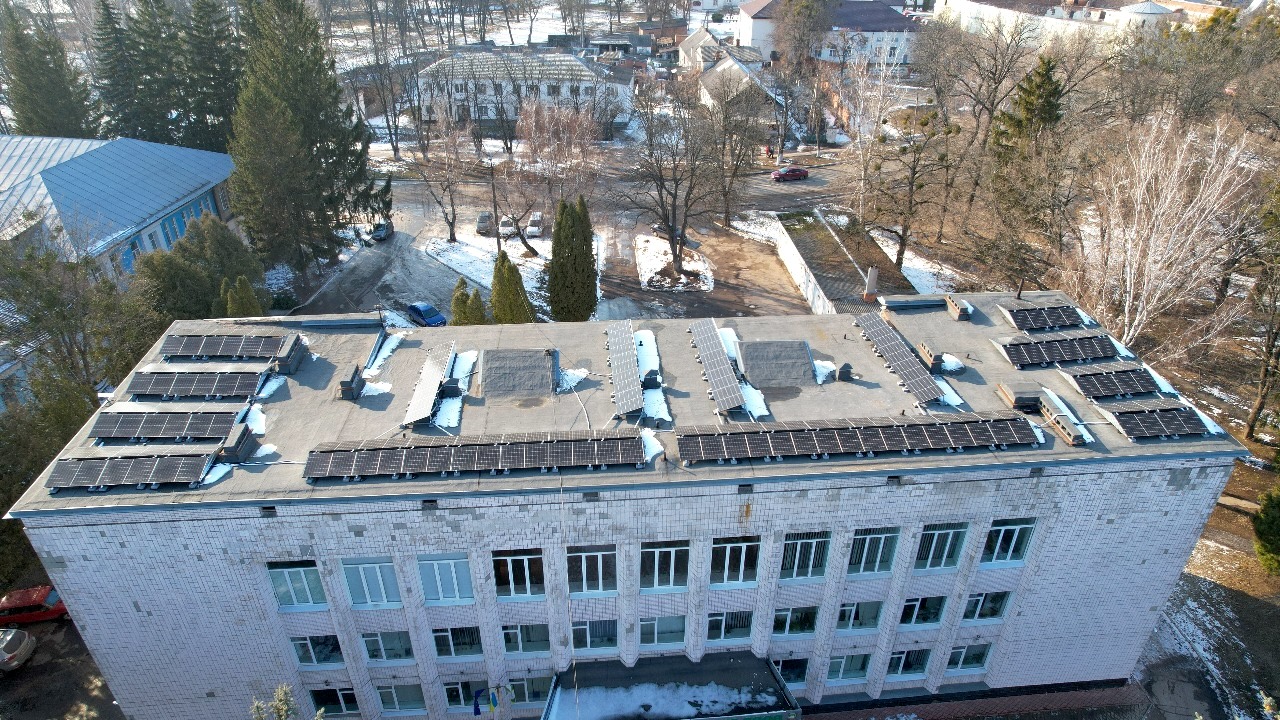
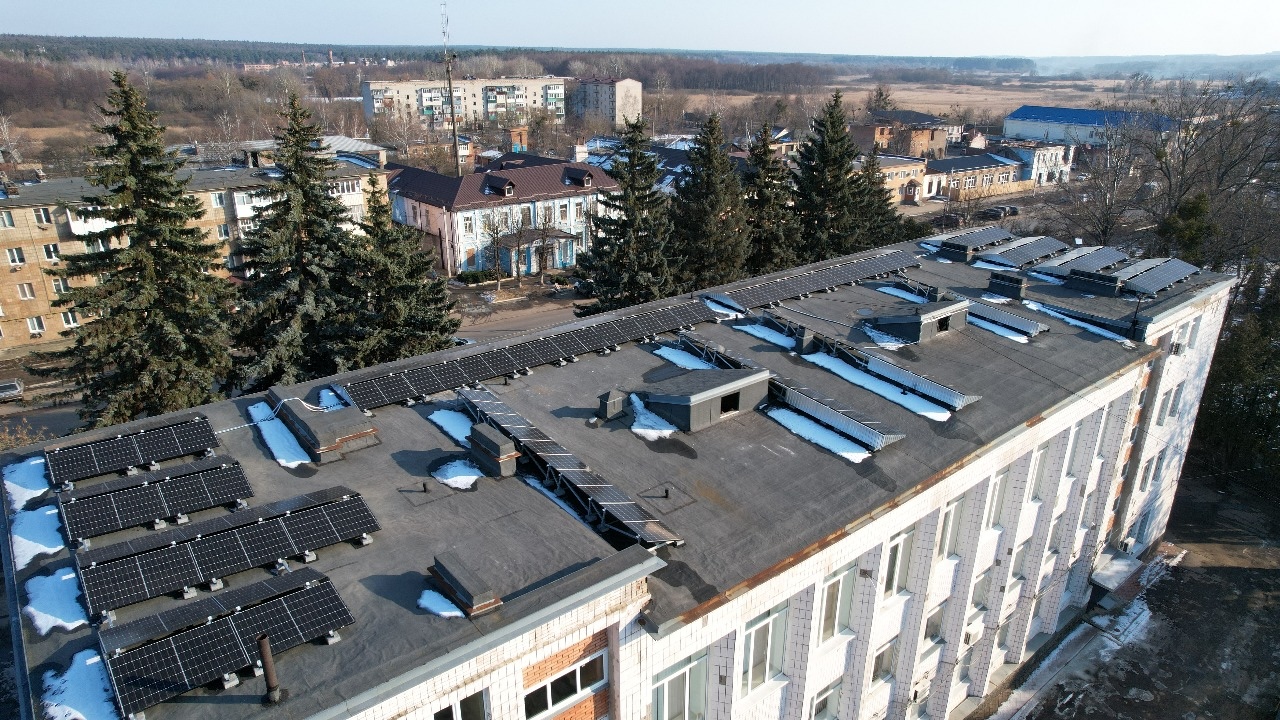
Trostyanets community has already taken steps towards energy independence by installing a 105-kW solar power plant on the buildings of the city hospital. However, this is not enough to fully cover the energy needs of the hospital, including the outpatient and infectious diseases departments. In addition, other strategically important facilities, such as water intakes on Tatarenko and Furmanova streets and the city’s wastewater treatment plant, remain completely unprotected from power outages.
In the event of a power outage, these facilities cannot function properly, which leads to a water supply shutdown, lack of sewage, complications in the provision of medical care, increased sanitary risks, and social tension. The situation is further complicated by the fact that these facilities serve not only the city’s population but also internally displaced persons, whose number has increased since the start of the full-scale invasion.
The project is aimed at creating local power sources to ensure autonomous operation of key community infrastructure, which is critical in today’s environment and meets the priorities of sustainable development, security and climate resilience.
Project goals
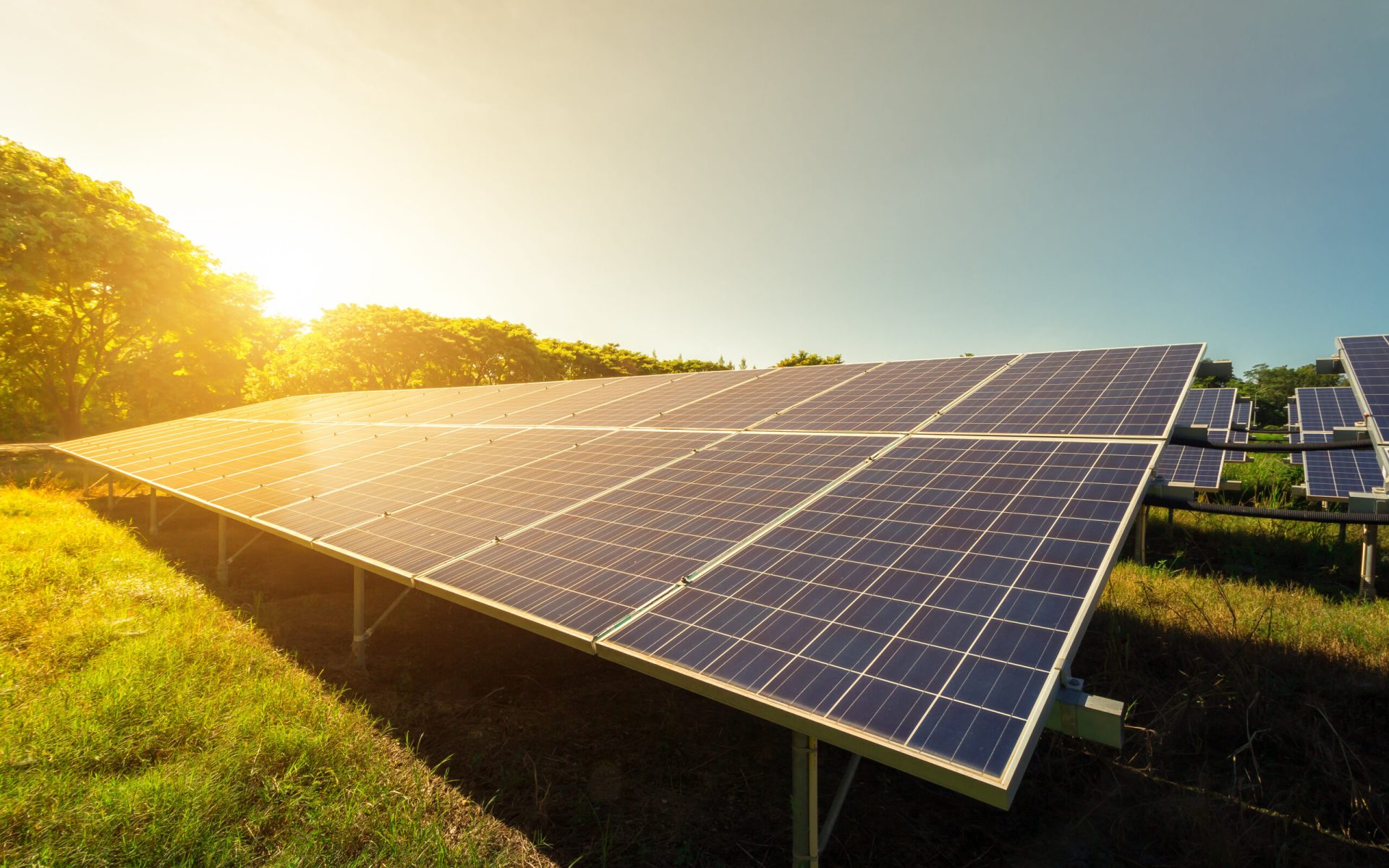
- Install solar power plants with a total capacity of 250 kW at 4 critical infrastructure facilities in Trostyanets city:
- 50 kW – on the building of the Trostianets City Hospital
- 60 kW – at the water intake on Tatarenko Street
- 40 kW – at the water intake on Furmanova Street
- 100 kW – at the city’s wastewater treatment plant
- To cover the basic electricity needs of these facilities in the normal mode, ensuring the possibility of their autonomous operation in the conditions of a complete shutdown of the centralized power supply.
- Ensure uninterrupted provision of medical services to more than 26,000 patients annually.
- Ensure uninterrupted water supply and sewerage services for 10,000 community residents
- Reduce electricity costs by at least EUR 33 040 per year for all four facilities by generating their electricity.
- Reduce CO₂ emissions by approximately 180 tons annually by switching to renewable energy sources.
Project tasks
- Conduct an energy audit and technical inspection of buildings and structures where solar power plants are planned to be installed to determine the optimal location and type of equipment.
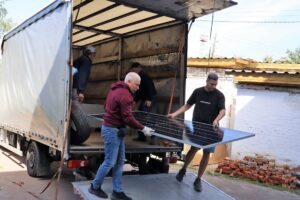
- Procure and install the necessary equipment: solar panels, inverters, installation systems, cable products, protection and automation elements.
- Integrate solar power plants into the internal networks of each facility, with the possibility of autonomous operation (off-grid or hybrid power supply) in case of an external power outage.
- Carry out commissioning, and technical testing and ensure the commissioning of the solar power plant.
- Train the staff of the facilities (hospitals and water utilities) to use the monitoring and operation systems of solar power plants.
The target audience of the project
- Citizens of Trostyanets city hromada- more than 10,000 people who use the water supply, sewage and medical services daily. They will receive guaranteed access to basic services even in the event of a complete power outage.
- Patients of the Trostyanets City Hospital – approximately 26,000 people annually who need quality, uninterrupted medical care, especially in times of emergency, martial law, or epidemics.
- The medical staff of the Trostyanets City Hospital – approximately 400 employees who will be able to effectively perform their duties without the threat of equipment, lighting, or vital support systems being interrupted.Employees of public utilities responsible for water supply and sewerage – about 50 people, for whom the autonomous power supply will ensure the continuity of operation of pumping stations, treatment facilities, and dispatch systems.
- Internally displaced persons (IDPs) living in the community – more than 2,000 people for whom the stable operation of the hospital and life support systems is a critical condition for security and social integration.
| The object of solar power plant placement | Power | Estimated cost, EUR |
| Trostyanets City Hospital | 50 kW | 46 256 |
| Water intake on Tatarenko Street | 60 kW | 55 507 |
| Water intake on Furmanova Street | 40 kW | 37 004 |
| Municipal wastewater treatment facilities | 100 kW | 92 511 |
| Total: | 250 kW | 231 278 |