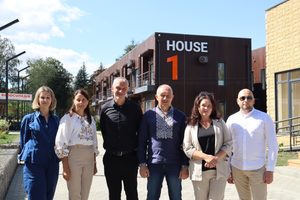

A modern digital educational center, – KOLO Club, has started operating at Lyceum No. 1 of the Trostyanets City Council – the first of ten Digital Learning Centers (DLC) in Ukraine, equipped by the DOCCU public organization within the framework of the #MYRP project.
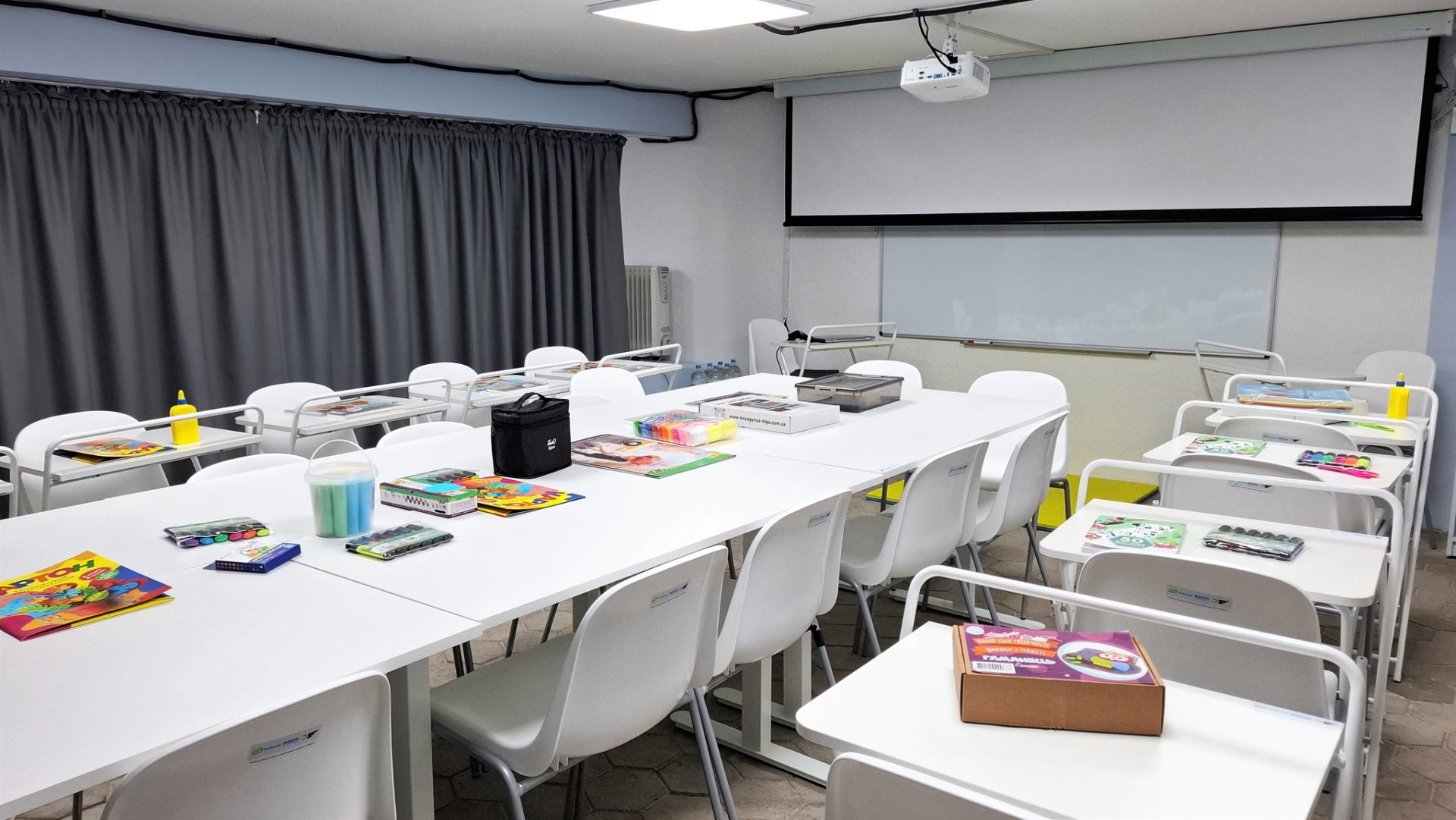
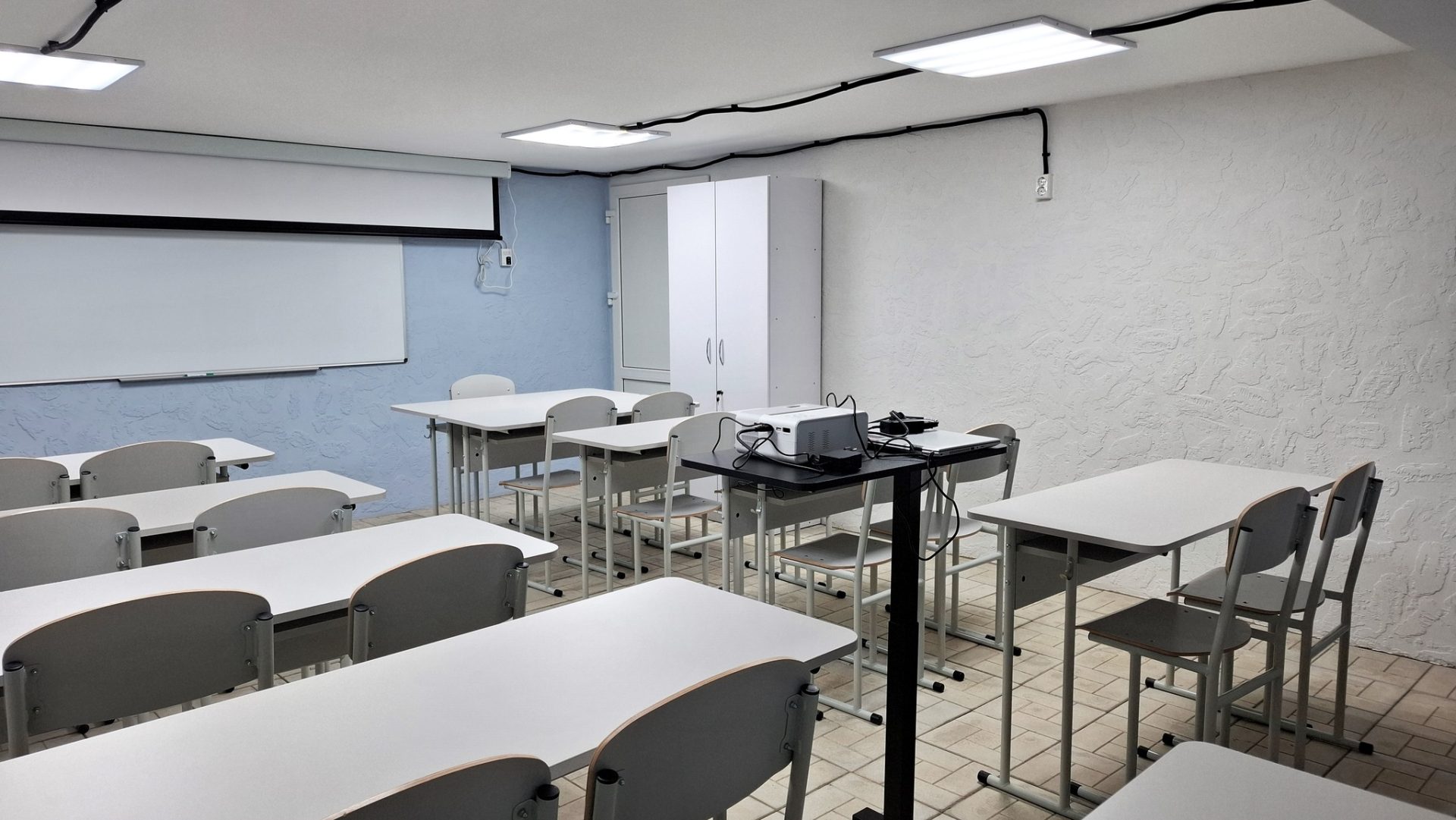
The new space operates on the basis of a shelter of an educational institution. It was created to conduct extracurricular activities, make up for educational losses, provide psychological support, and develop civic competencies of children and adolescents of the community. In wartime conditions, it is not only a modern educational center, but also a safe environment for learning and live communication. It has several separate rooms for classes, equipped with modern furniture and equipment, a bathroom, a locker room, and a separate entrance.
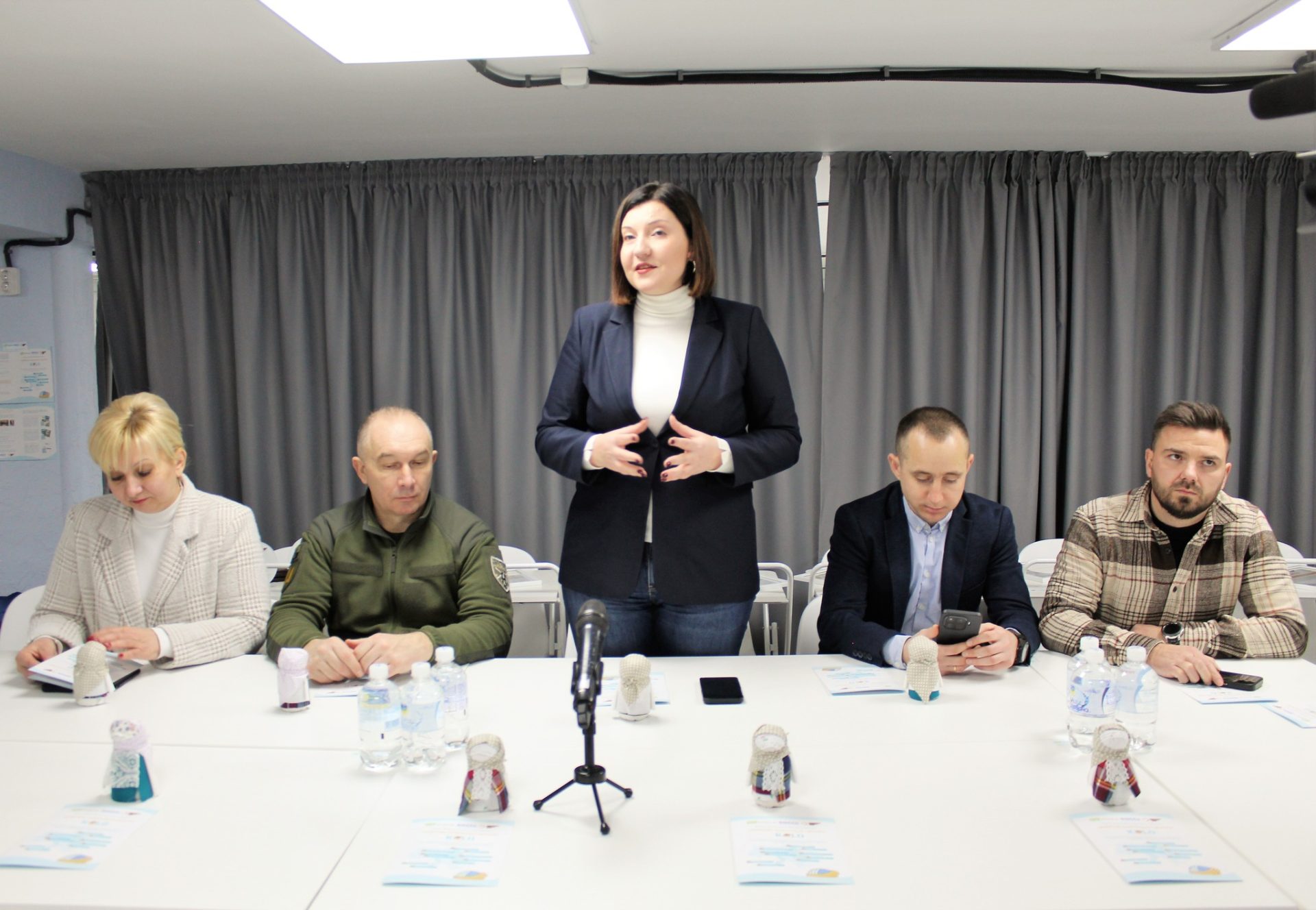
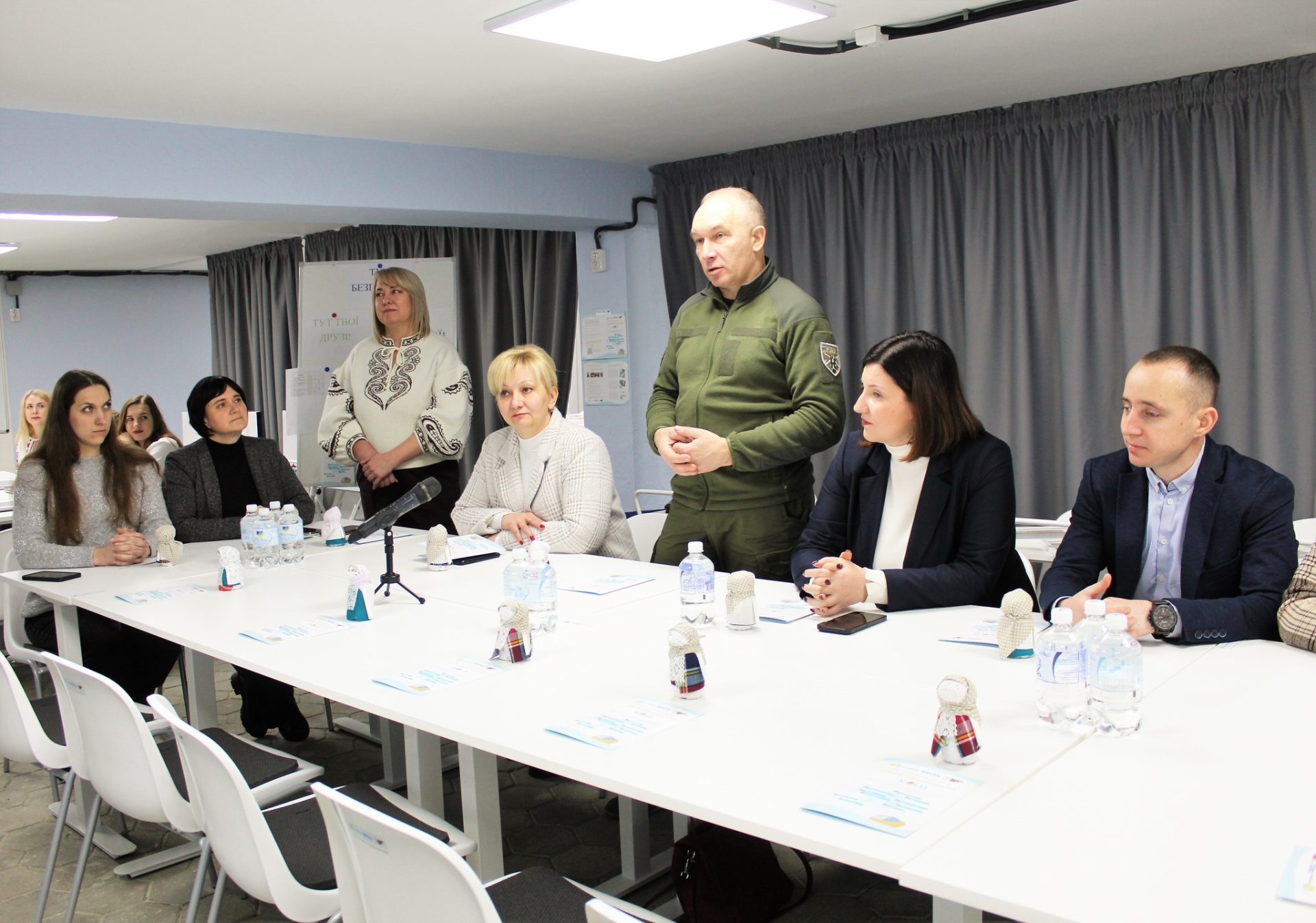
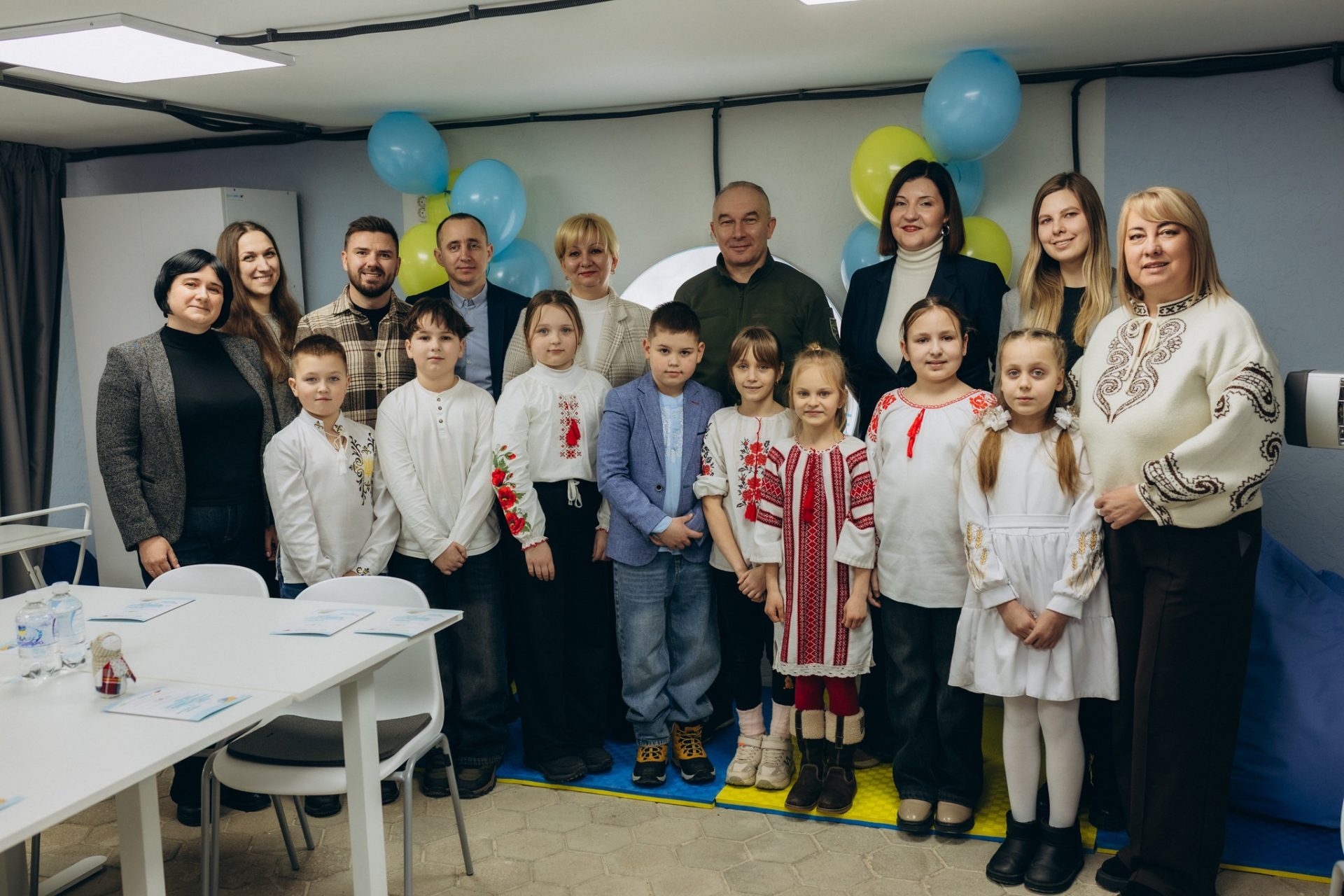
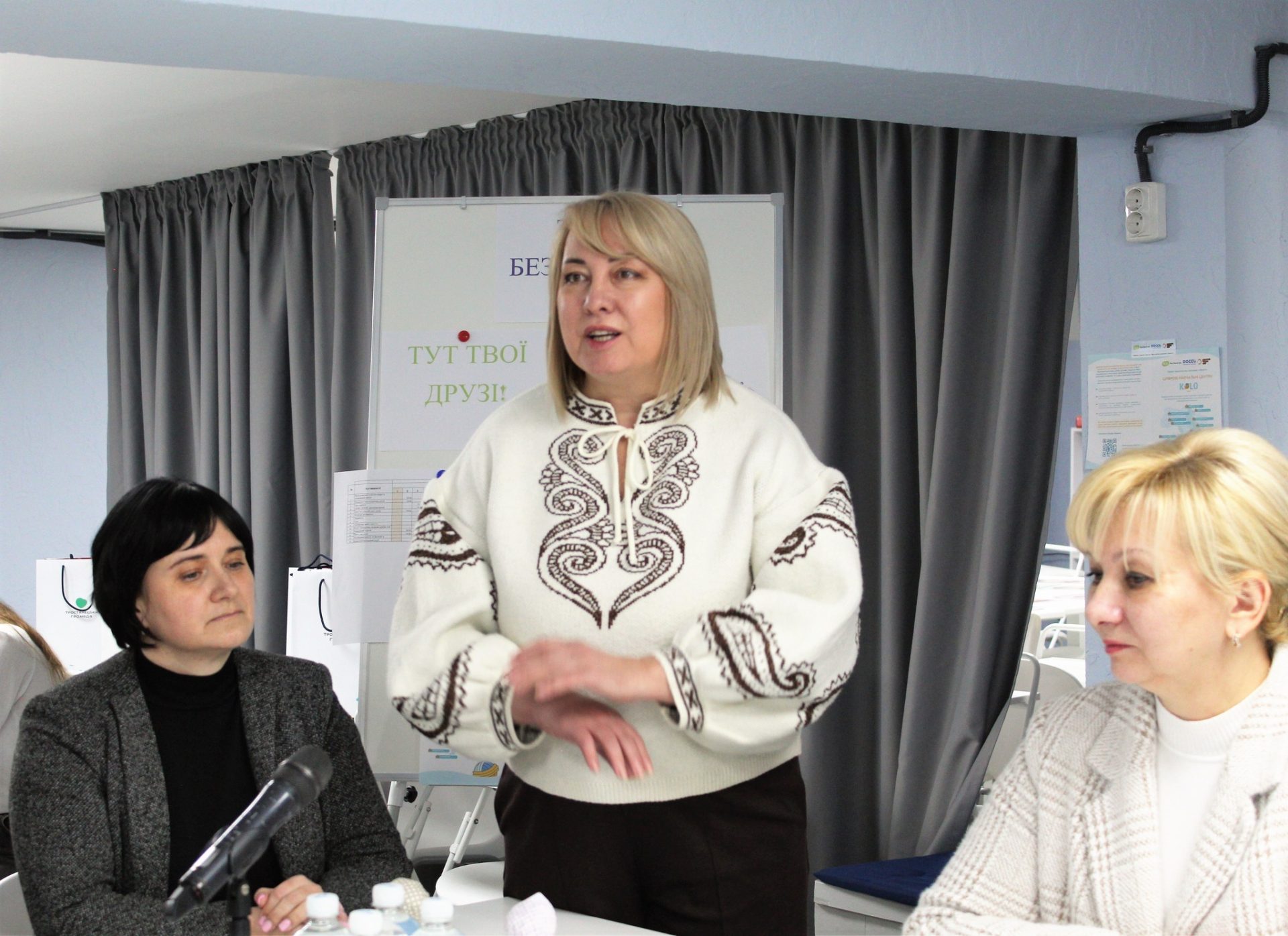
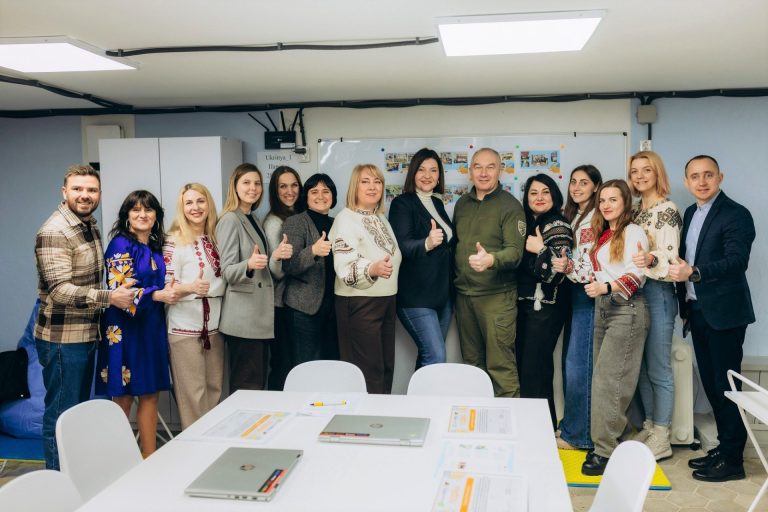
DOCCU representatives, educators, students, and community representatives gathered for the opening. The Director of the Department of Education and Science of the Sumy Regional State Administration, Viktoriya Grobova, also visited Trostyanets.
Trostyanets City Mayor Yuriy Bova noted that at the beginning of the renovation work, this building was an ordinary abandoned basement, which was difficult to even enter.
“Full-time education for the Trostyanets community is the most important need today. The war has reduced the level of knowledge and communication of children. This space will return our children from online learning to normal communication, opportunities to talk with a teacher and each other, play, develop. And parents can be sure that their children are safe,” the mayor emphasized.
Viktoriya Grobova expressed her admiration for the implemented project and promised to promote the implementation of new educational initiatives in the community, wishing the educators of the Trostyanets region new achievements and development.
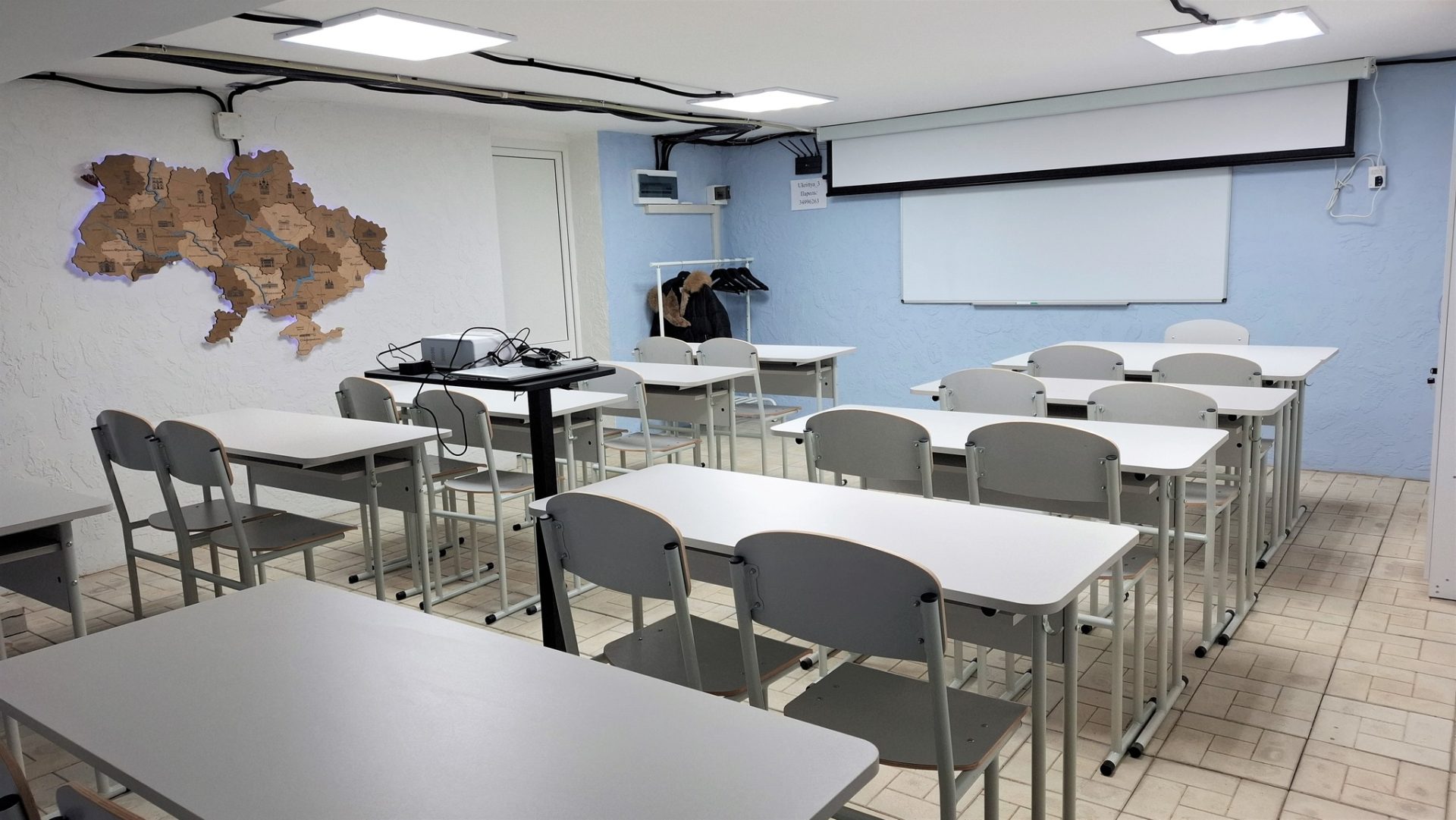
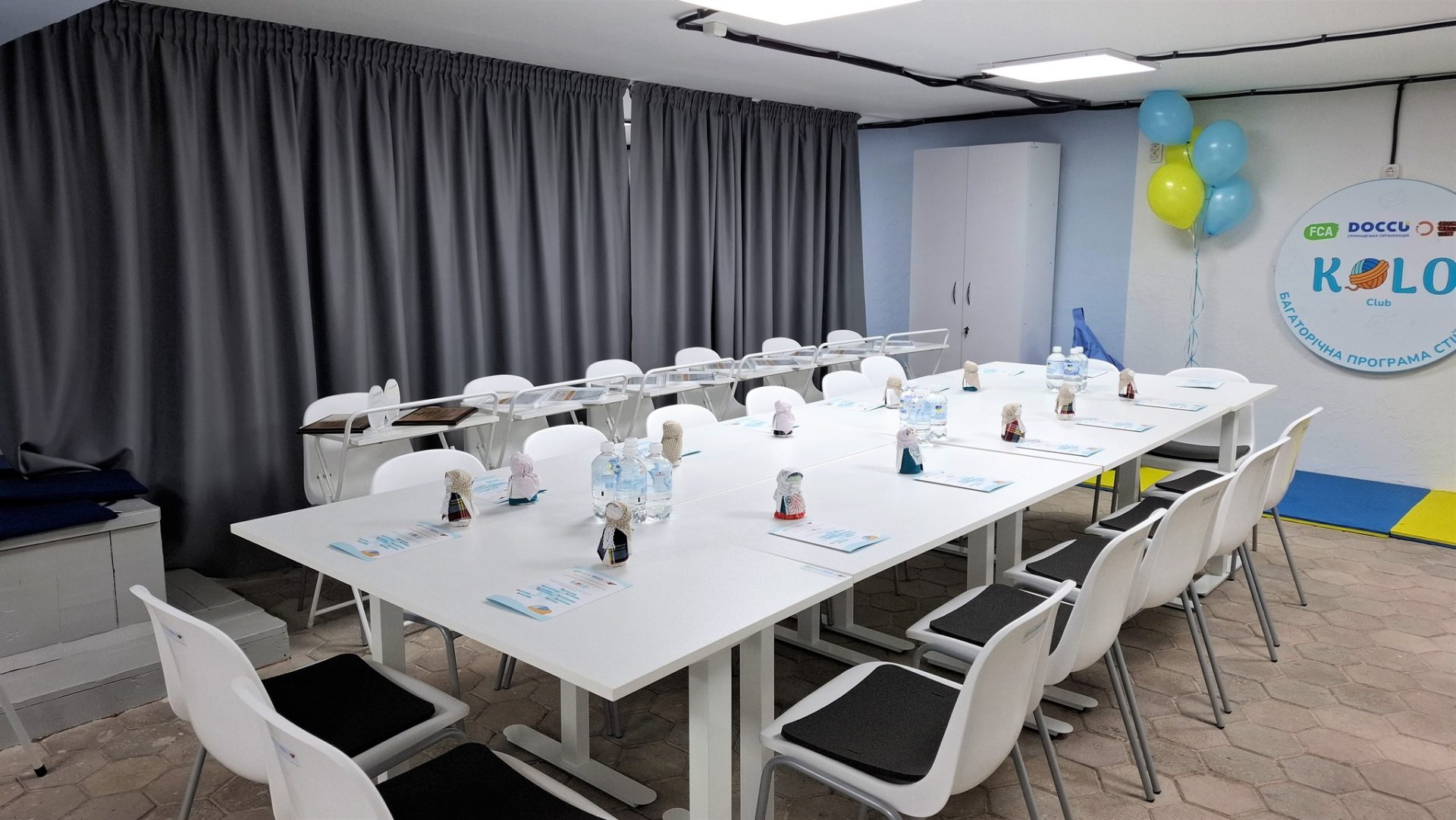
Deputy Head of the NGO “DOCCU” Valentyna Poltorak emphasized that the educational center “KOLO Club” was implemented within the framework of the international program Education Cannot Wait in cooperation with FCA.
According to her, it is important that the modernly equipped digital space becomes not only a safe place for children during air raids, which in some places last more than five hours in the Sumy region, but also an environment for learning, making up for educational losses and development.
For almost two years, the project team worked comprehensively: organizing activities in civic education, STEM and robotics, helping younger schoolchildren catch up on knowledge, providing psychological support, training community teachers in first aid and effective online and blended teaching. In total, the initiative reached more than 850 children and adolescents of the Trostyanets community and more than 350 teachers.
Throughout the year, children participated in various events of the “Multi-Year Resilience Program”, and in parallel, the renovation and arrangement of a modern safe educational space continued.
The director of Lyceum No. 1, Iryna Bondarenko, thanked everyone involved in the implementation of the large-scale project:
“This space is the result of a lot of work. What you have done is worthy of respect and recognition. For children, this is a new level of opportunities and, what is extremely important today, safety during daily hours of anxiety.”
The opening of KOLO Club is a very important step towards strengthening the educational resilience of the Trostyanets community, supporting children and creating conditions for their full development even in difficult wartime conditions.
We are pleased to note that this is the first of ten spaces that will be opened in Sumy, Odessa, Poltava, Dnipropetrovsk and Zaporizhia regions! We thank the public organization DOCCU for choosing our community for the implementation of the pilot project!
For reference: The Digital Education Center is being set up as part of the Multi-Year Resilience Program (MYRP) project, implemented by DOCCU with the support of Education Cannot Wait in a consortium led by Finn Church Aid Ukraine (FCA). The project aims to create a safe and accessible educational environment for children and adolescents, particularly in war-affected communities.