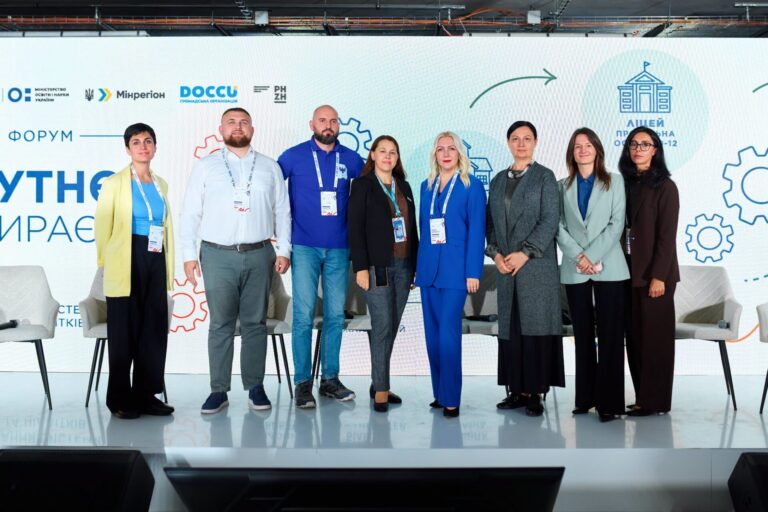

‘For teenagers and young people with special educational needs, careers guidance should not merely consist of recommendations about which profession to choose, but should be an understandable and clear system of support taking them from school through to further education, work experience, and employment.’
This was the focus of discussions during the “Barrier-Free Career Guidance: Equal Opportunities for Every Child”, held at the National Forum “The Future We Choose!” in Kyiv on 22 September 2026.
The discussion focused on teenagers and young people with special educational needs and their journey from school to professional fulfilment. How can we ensure that this journey does not consist of isolated, unconnected decisions, but is instead a coherent and clear path?
Simply adapting individual career guidance tools is not enough to achieve this. A support system has to be built, bringing together the child’s family, educational institution, community, specialists, and employers.
The greatest risk is when support ends after school
As long as a child with special educational needs is at school, a support system is set up around them. But the transition to the next stage is often the most challenging.
Where should they continue their education? What professions are available, taking into account the specific child’s abilities, interests, and needs? Which educational institution can provide the necessary conditions? How can they gain their first professional experience? And who should help the child and their family along this journey?
Anastasiia Konovalova, Deputy Minister of Education and Science of Ukraine, spoke about how the education system should ensure the continuity of such support and create real opportunities for further education and professional development.
‘A child should be in school, regardless of the nature of their difficulties. We have to start working on their strengths as early as possible, which will help them become independent in the future and integrate into the labour market. And this should be a team effort – involving parents, specialists, and career counsellors.’
Barrier-free access means the opportunity to go the whole way
Access to information and career guidance. The chance to try things out. Educational options. Work experience and placements. The first job.
If even one of these links is inaccessible, a formally available employment opportunity may never become a reality for a particular child.
Tetiana Lomakina, Advisor – Presidential Commissioner for Barrier-Free Environment, stated that accessibility must be built into the system itself, rather than added to it after the fact.
‘The way in which society views a child with a disability or special educational needs is crucial: whether as a passive recipient of support or as a person with potential, the right to work and their own place in society.’
From assumptions to data-driven decisions
To build an effective career guidance system for children with special educational needs, it is important to start not with assumptions, but with an understanding of the real barriers, needs, and opportunities.
Nadiia Balabust, DECIDE National Expert, presented the key challenges that children with SEN and their families face on the path from school to further education, professional choice, and employment, as identified by the results of a national study.
The data obtained enables a shift from isolated perceptions of the problems to a systematic view of the situation at the national level. It should form the basis for developing a roadmap for the development of career guidance for children with special educational needs – with specific solutions, clearly defined roles, and logical steps at different stages of their educational and professional journey.
‘We do not rely on isolated ideas and perspectives. We have a comprehensive picture at the national level and will continue to work to ensure that the career guidance system is truly inclusive and barrier-free for everyone.’
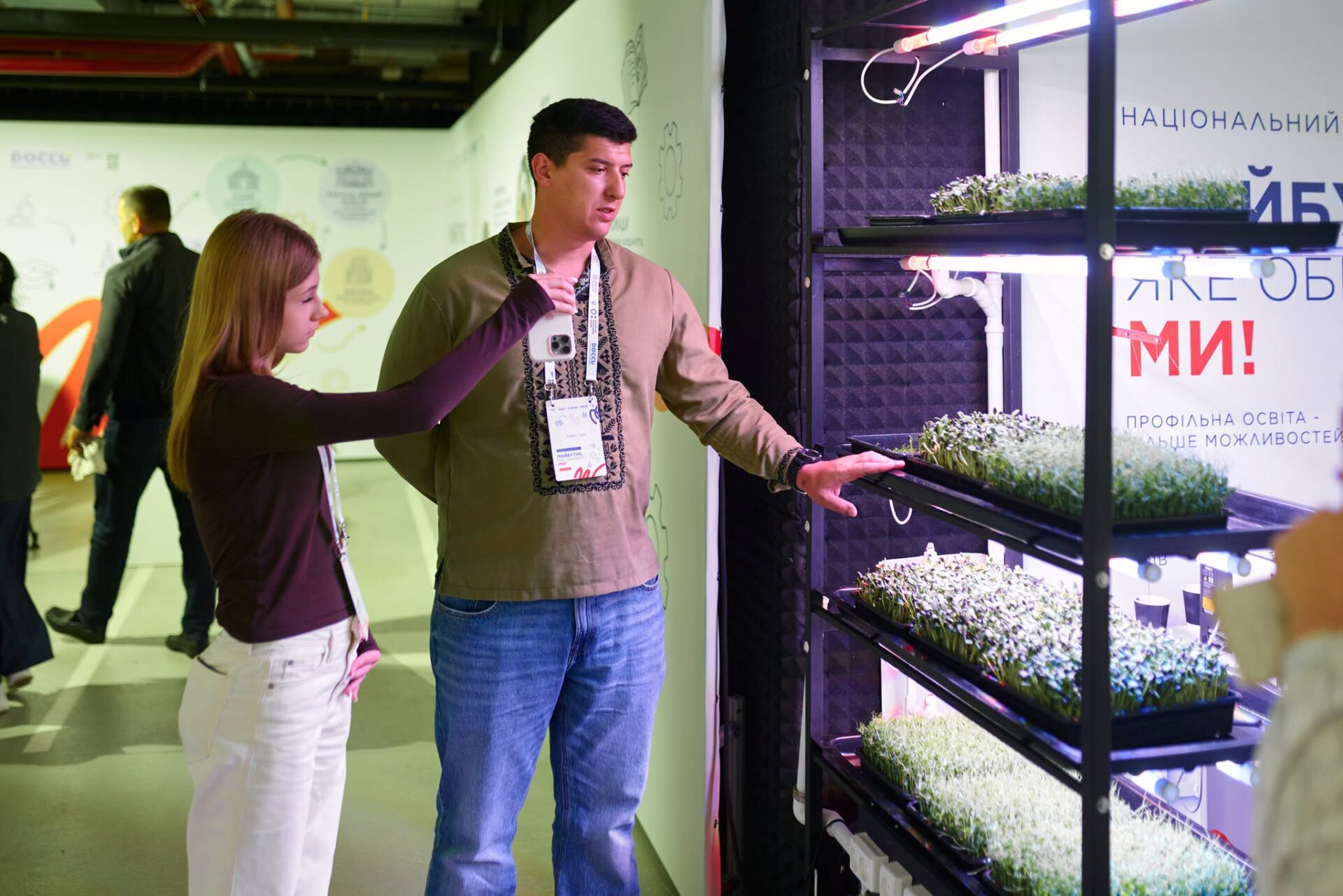
Quality career guidance should take into account the needs of every child
UNICEF education expert Svitlana Stukalo highlighted international approaches to careers guidance. This does not involve creating a separate “special” careers guidance programme, but rather a system in which information, tools, counselling, and opportunities to gain practical experience are accessible to all children and take their individual needs into account.
‘European practices show that career guidance and supporting a child in shaping their future is not purely an educational service. It involves many stakeholders who have to be united around the child.’
An educational institution should be a place of opportunities
For a young person, not only is it important to enrol in a vocational education institution, but also to have the opportunity to learn to the full, develop independence, acquire practical skills, and prepare for work.
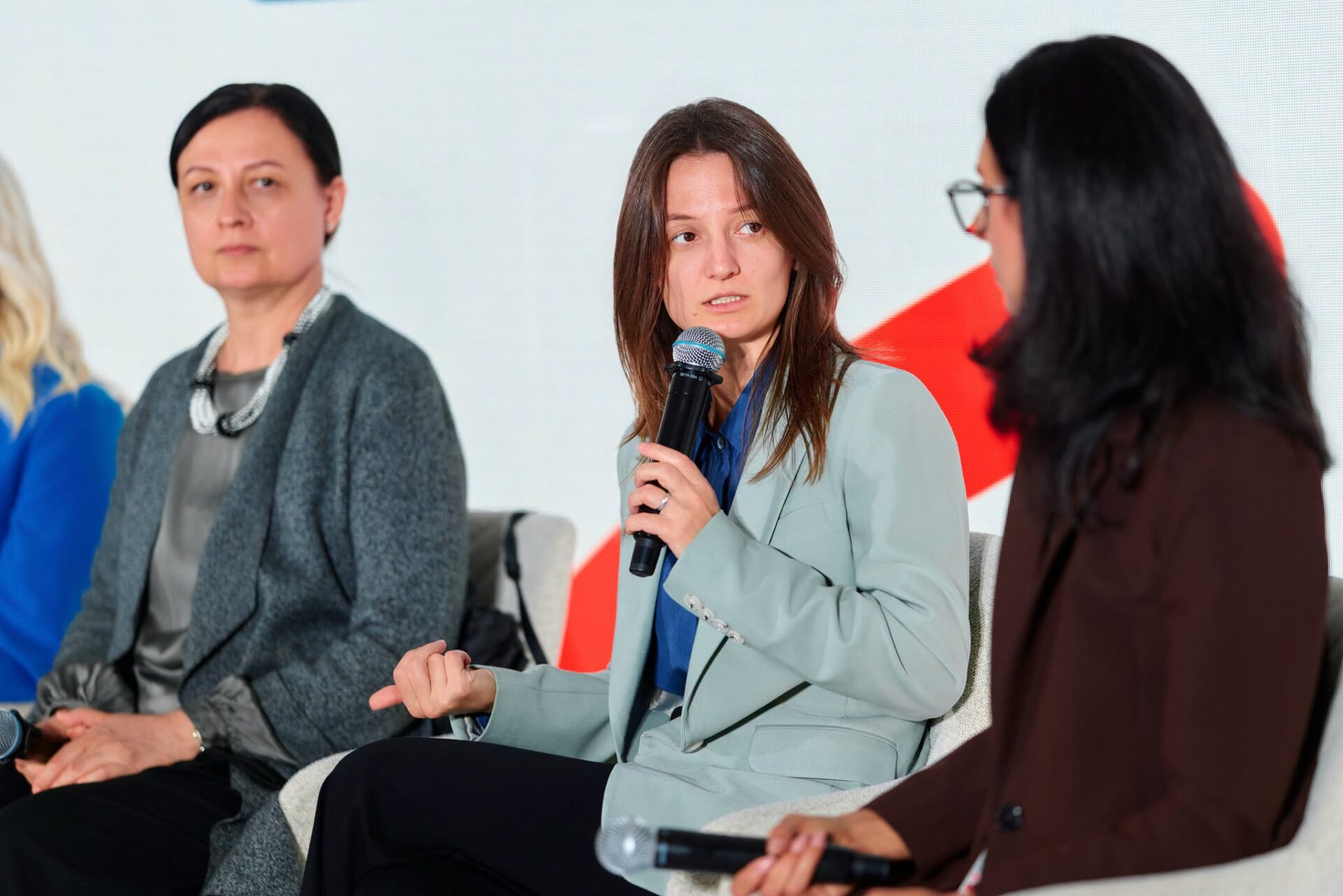
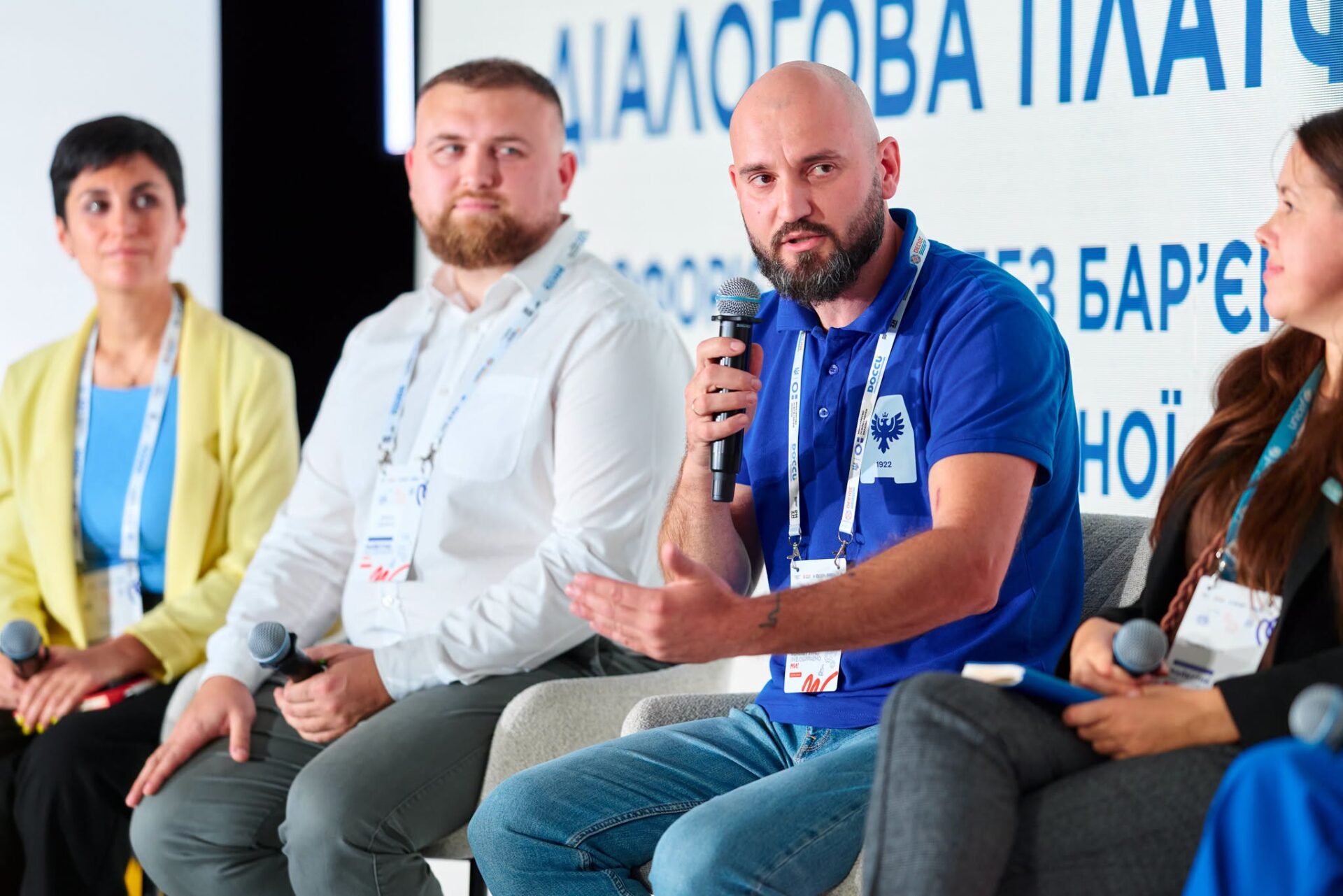
Maksym Podzharyi, Director of the Chernihiv Vocational Lyceum of Railway Transport, shared practical experience on how a vocational education institution can support young people with diverse educational needs and create the conditions for their professional development.
‘After participating in one of the DECIDE events, I realised that our institution lacked the facilities to provide vocational training for children with special educational needs. We began looking for a solution: we agreed to cooperate with an educational and rehabilitation centre, secured the support of the regional education authority, and introduced a course in landscaping. We also involved employers in the training so that students could gain practical experience and have better employment prospects in the future.’
A diploma is not the end of the journey
The next barrier may lie in the labour market itself.
A young person may need their first safe work experience, an internship, support during the adaptation period, and an employer who is prepared to focus primarily on their skills and potential rather than their limitations.
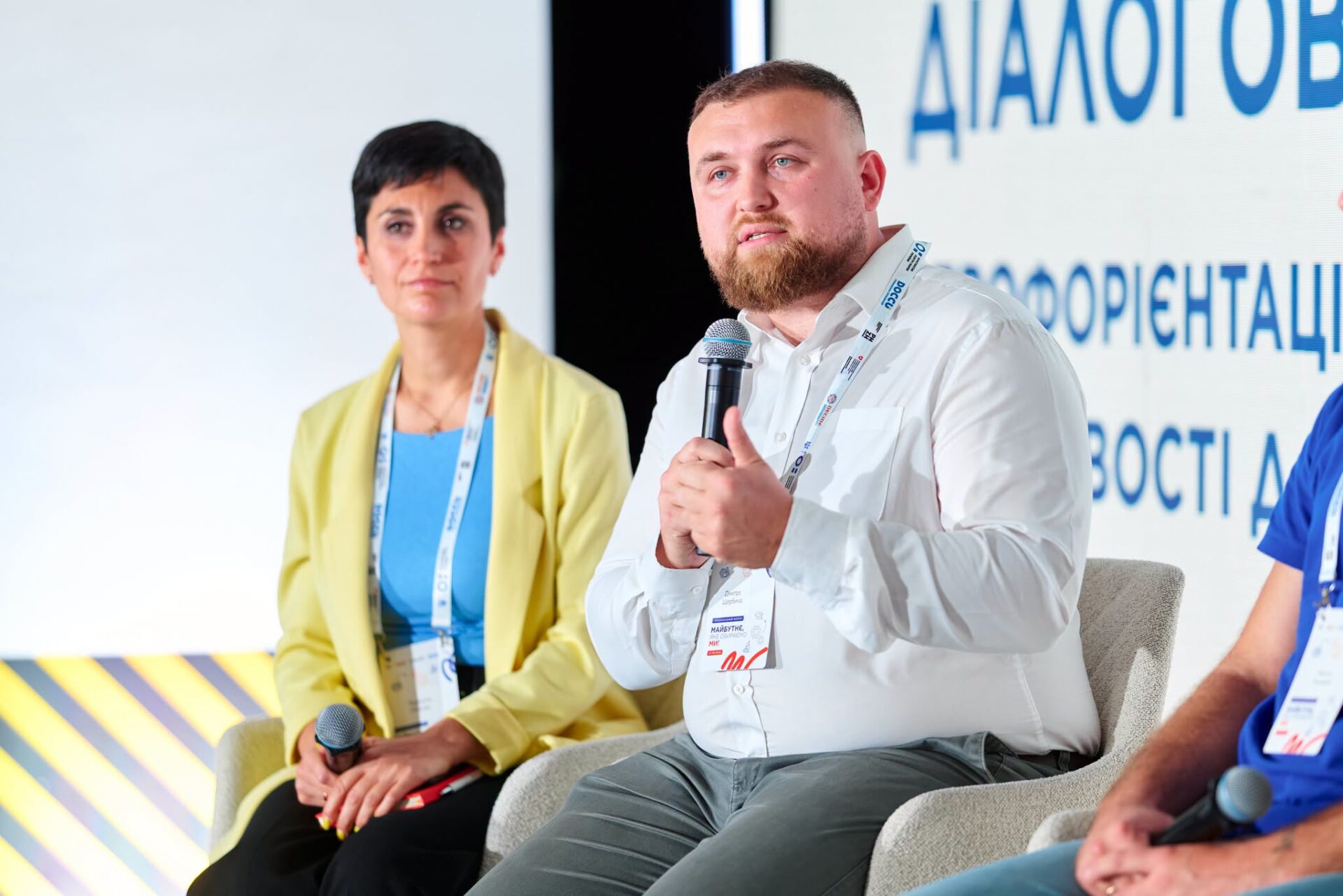
Dmytro Shcherbyna, Chairman of the Board of “Perspective 21.3” NGO, spoke about the practice of supported employment and how to help young people make the transition from education to real-world work.
‘A person with an intellectual disability should not just take a test, but should come to the workplace and give it a try. Because there are some things we only realise once they start working. If a particular field does not suit them, it does not mean it is the end. It means it is a comma. There is another field they can move into.’
This journey should not remain solely the responsibility of the family
Nowadays, parents often find themselves having to gather information on their own, look for educational institutions, arrange support, and find opportunities for work experience and employment. But support for young people should not end once they have found a job.
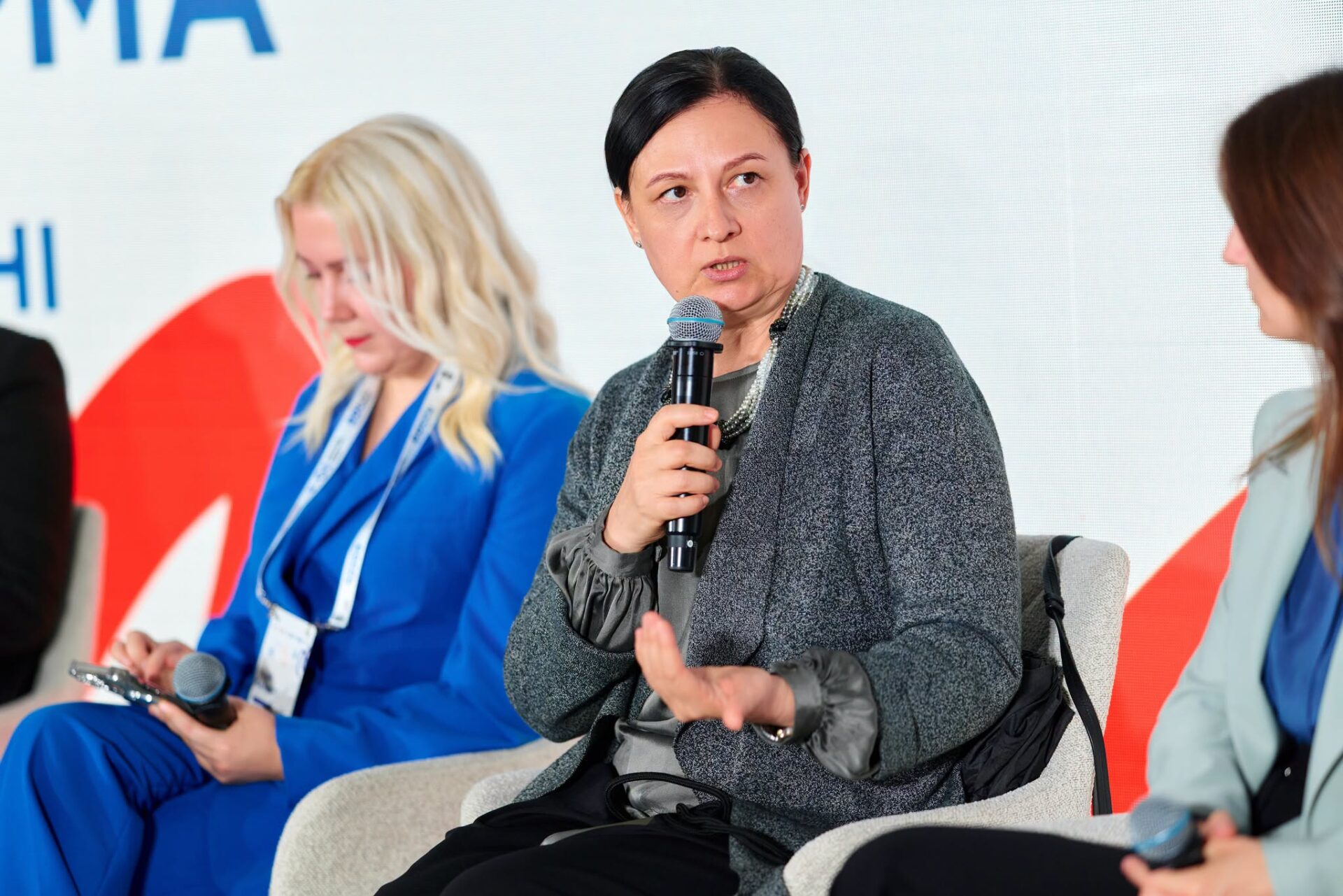
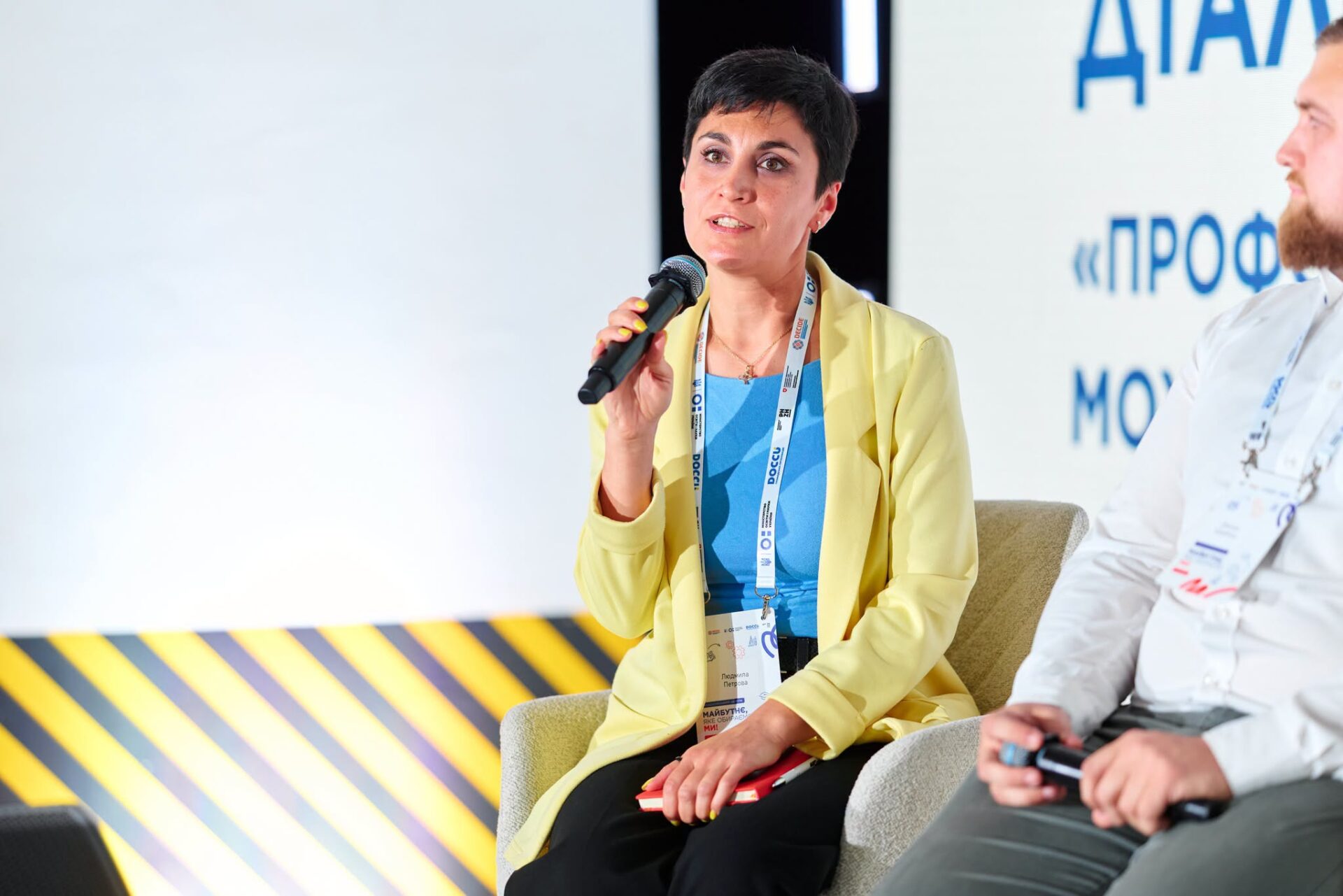
Liudmyla Petrova, ‘Good People’ NGO Project Manager, spoke about the importance at this stage of employers’ readiness and support directly in the workplace.
‘For a young person not just to get a job, but to be able to stay in it, the readiness of the whole team is crucial. People need to understand how to interact with and support a new employee. It is also important to have someone nearby who can help them settle in at work. Today, businesses often do not have a dedicated specialist for this sort of support, but this support can be the deciding factor.’
The discussion’s moderator, Olena Pshenychna, a board member of the “Network of Parental Organisations” and co-founder of “Vydymi” NGO, summed up the discussion with an important statement: “The right to work is not a luxury. It is one of the foundations of a dignified and independent life”.
Equal opportunities do not mean the same path for everyone. It means the opportunity for every child to receive exactly the support they need to follow their own path – from self-discovery and making choices to education, professional experience, and work.
This is what barrier-free career guidance should look like.