
How can Ukraine prepare today for the opportunities that EU membership will bring tomorrow?
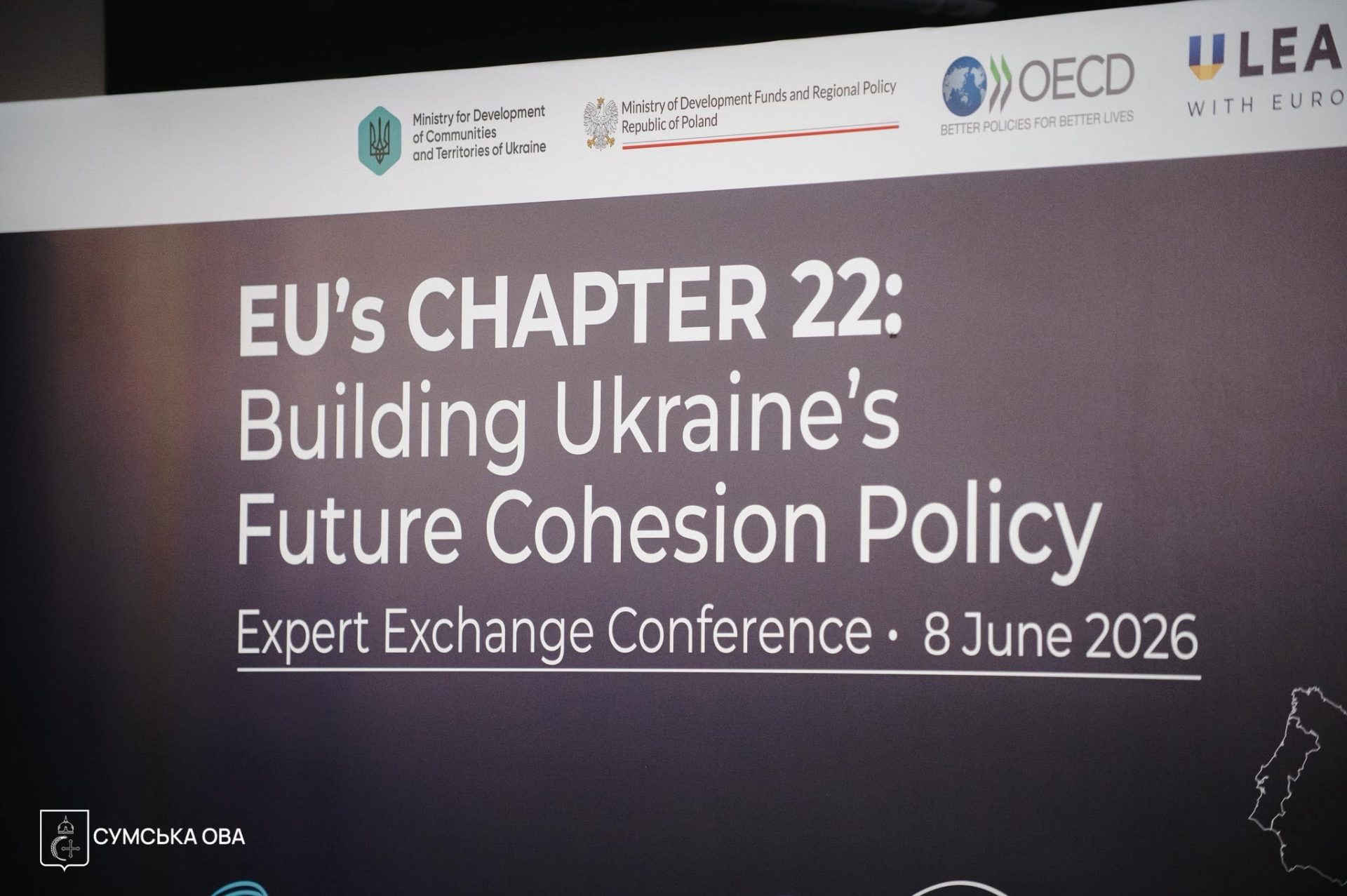
This question was at the heart of the expert conference “EU’s Chapter 22: Building Ukraine’s Future Cohesion Policy”, held on 8 June 2026 in Kyiv.
The event brought together representatives of the Government of Ukraine, the Verkhovna Rada, regional and local authorities, EU institutions and international partners to discuss one of the key dimensions of Ukraine’s EU accession process – preparations under Chapter 22 “Regional Policy and Coordination of Structural Instruments”. Particular attention was given to the development of the Chapter 22 Master Plan, multi-level governance, and coordination between different levels of government.
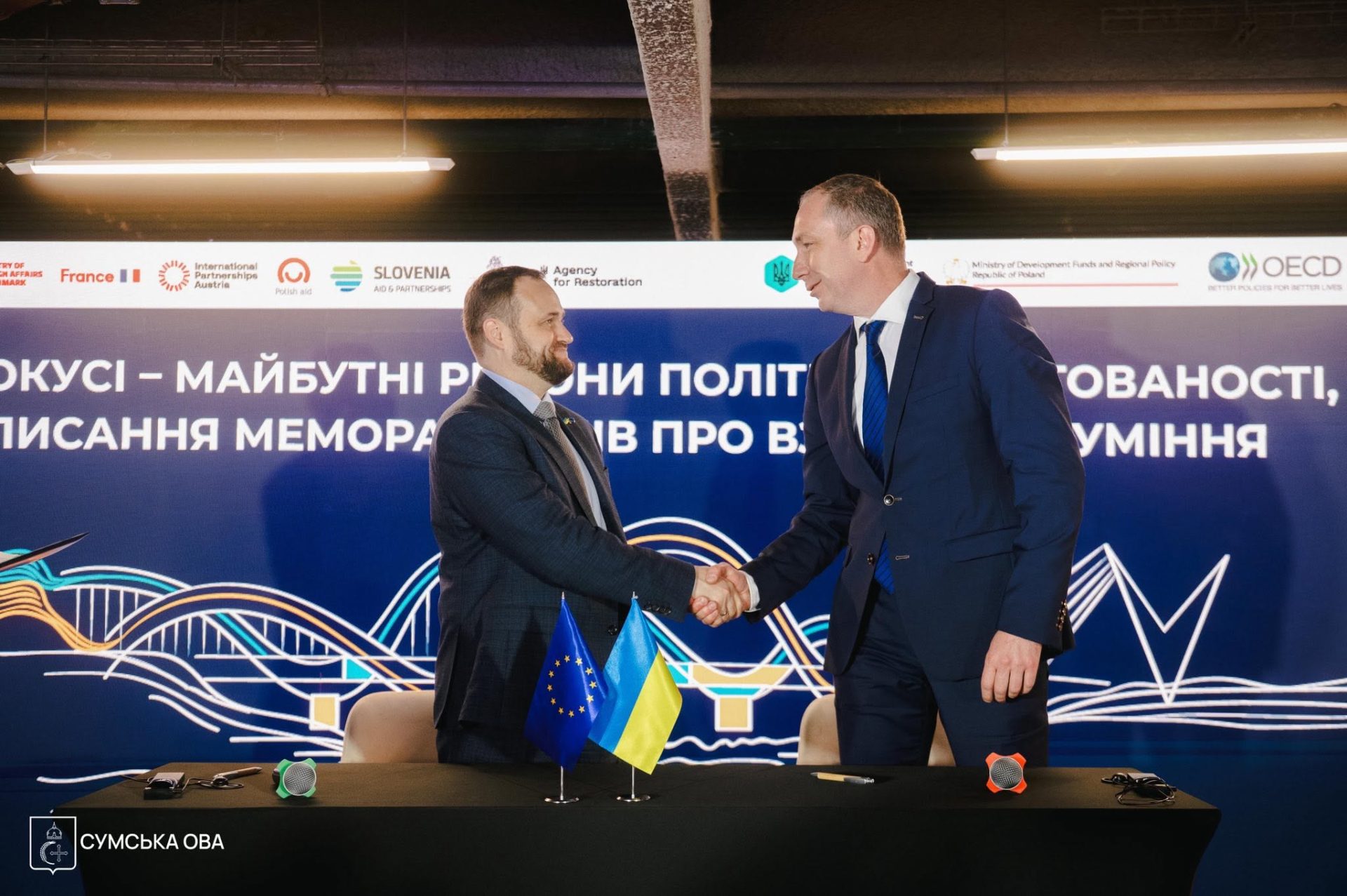
“Joining the European Union begins with communities. And cohesion policy is not abstract documents or procedures, but a very practical policy: high quality of life for people, roads, housing, schools, hospitals, energy efficiency, accessibility, new jobs and investments. Today, Ukraine is going through a unique path. We are simultaneously defending the state, restoring destroyed infrastructure, carrying out reforms and modernizing the governance system. We have learned to rebuild schools, hospitals, roads and housing during the war. To make decisions not after the end of the crisis, but during it. That is why today, in the context of recovery, we are talking about a new model of the country’s development,” said Oleksiy Kuleba, Deputy Prime Minister for Recovery of Ukraine – Minister of Community and Territorial Development.
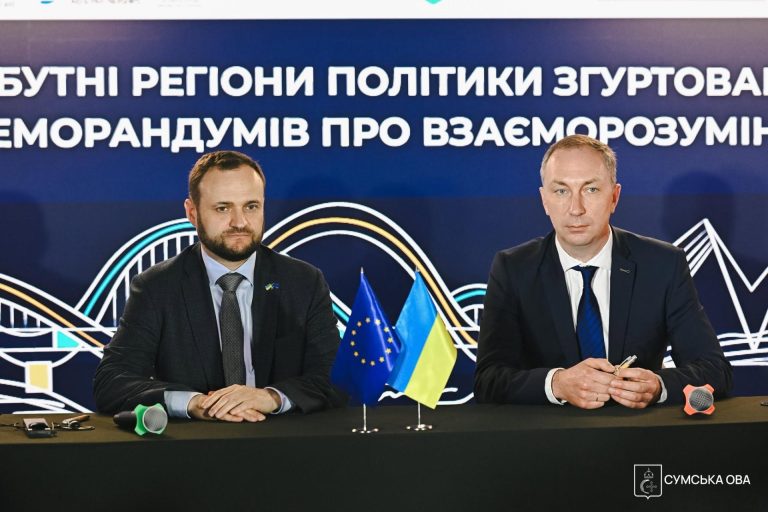
As part of the event, the Ministry of Development signed memorandums of cooperation with the Sumy, Zakarpattia, Cherkasy and Vinnytsia Oblasts. These oblasts have become pilot regions for preparing for the implementation of the principles of EU cohesion policy and work with future European Union support instruments.
We are working to ensure that Ukrainian communities and regions are ready for new development and investment opportunities within the framework of Ukraine’s future membership in the EU.
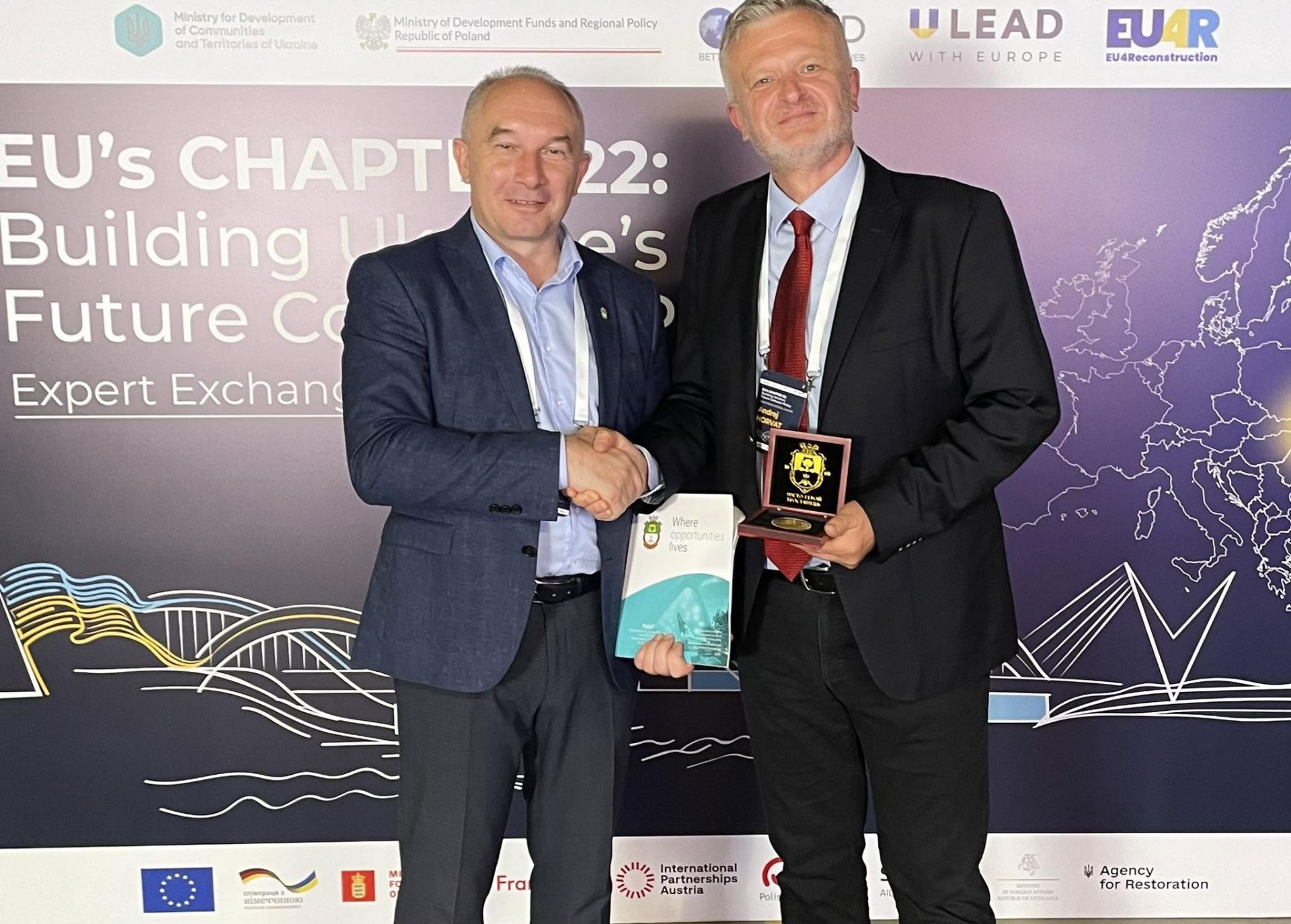
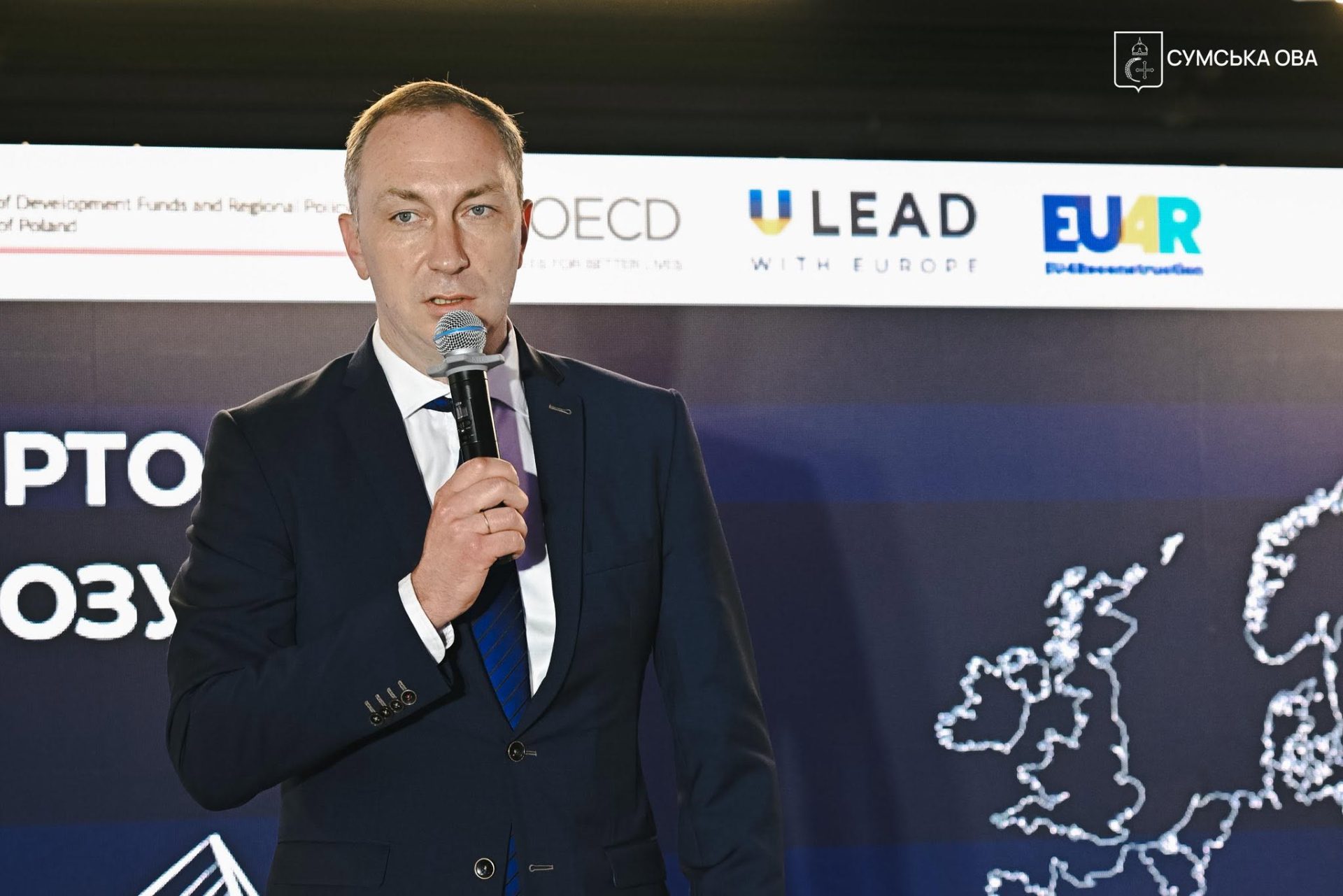
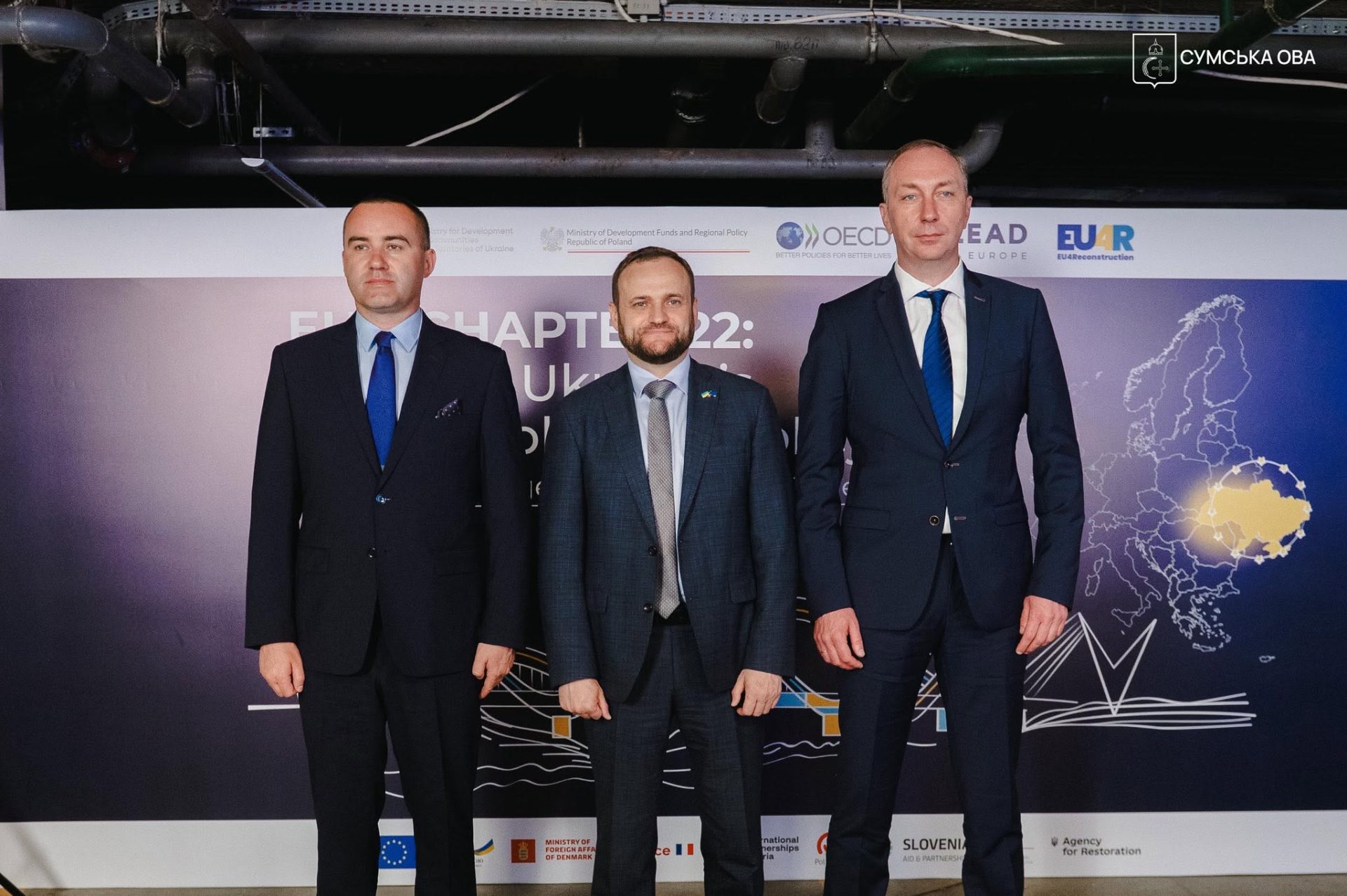
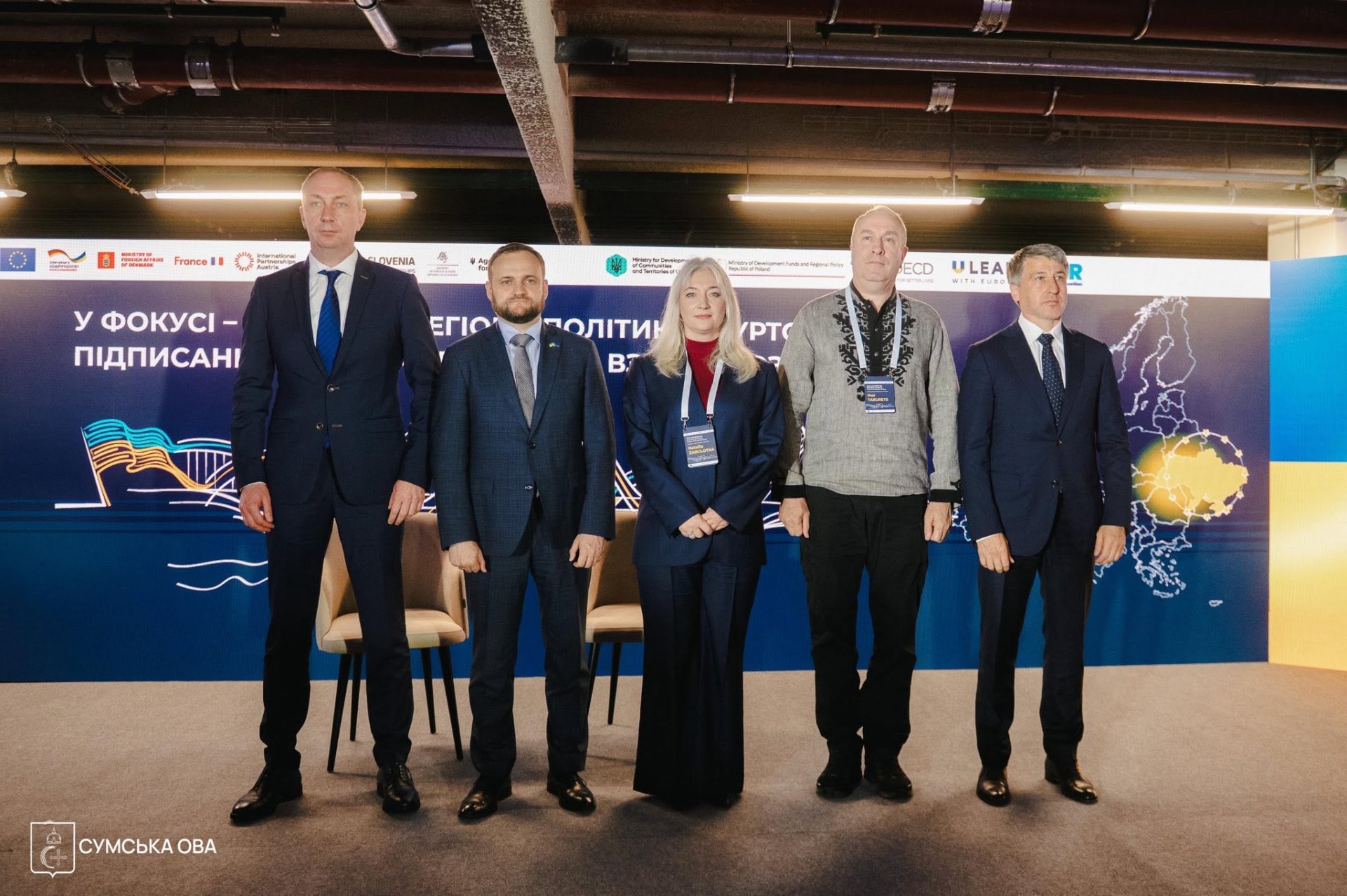
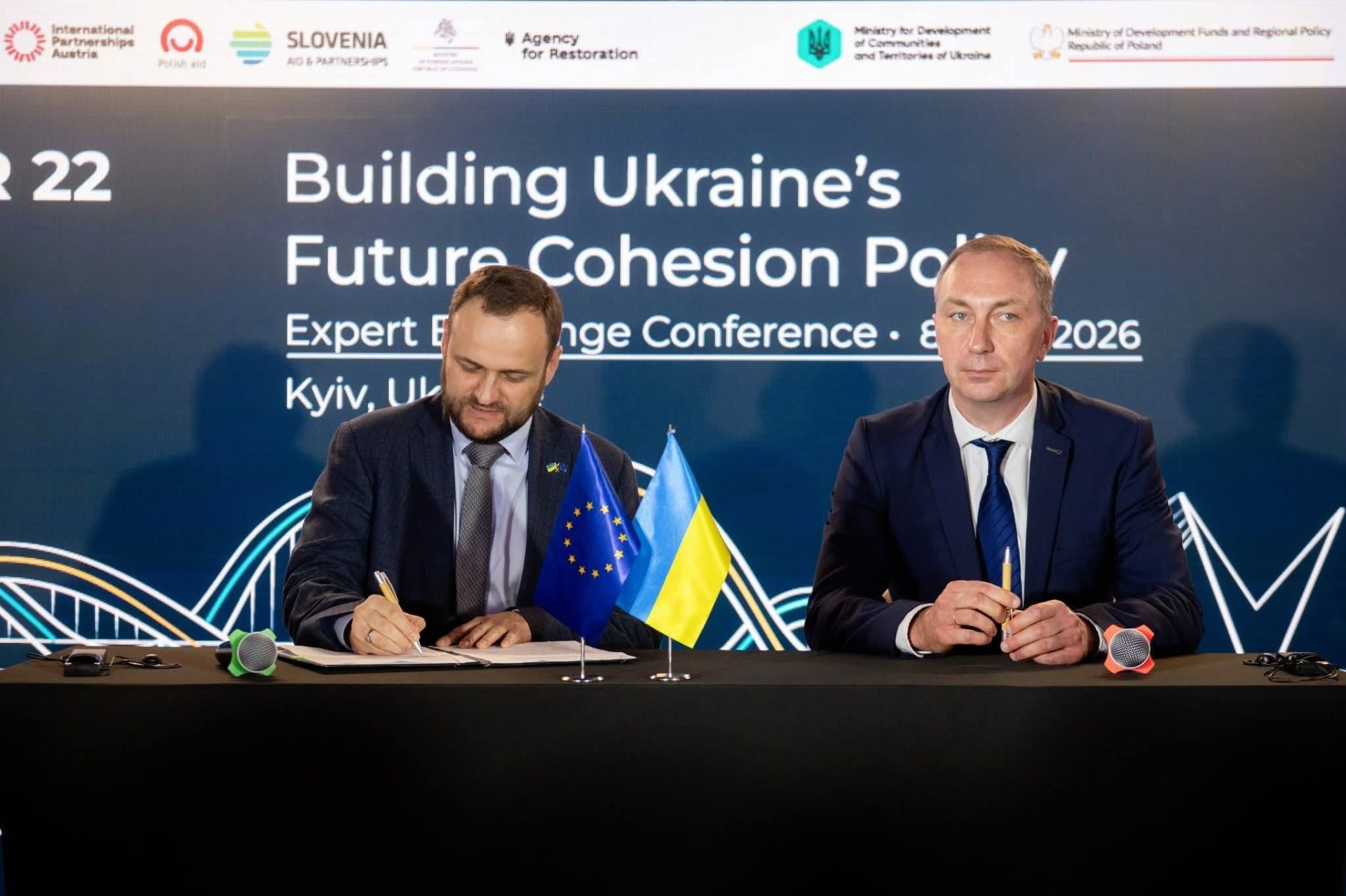
These regions have become pilot regions, where the Ministry of Development and Trade, together with the ULEAD з Європою / ULEAD with Europe, will implement measures to prepare for the implementation of the principles of the EU Cohesion Policy and the fulfillment of the requirements of Chapter 22 of the negotiation process for Ukraine’s accession to the European Union.
The memorandums define the framework for cooperation for 2028–2034. They provide for the preparation of regional development strategies and plans for their implementation, training of government representatives, professional exchanges, as well as strengthening coordination between the national, regional and local levels.
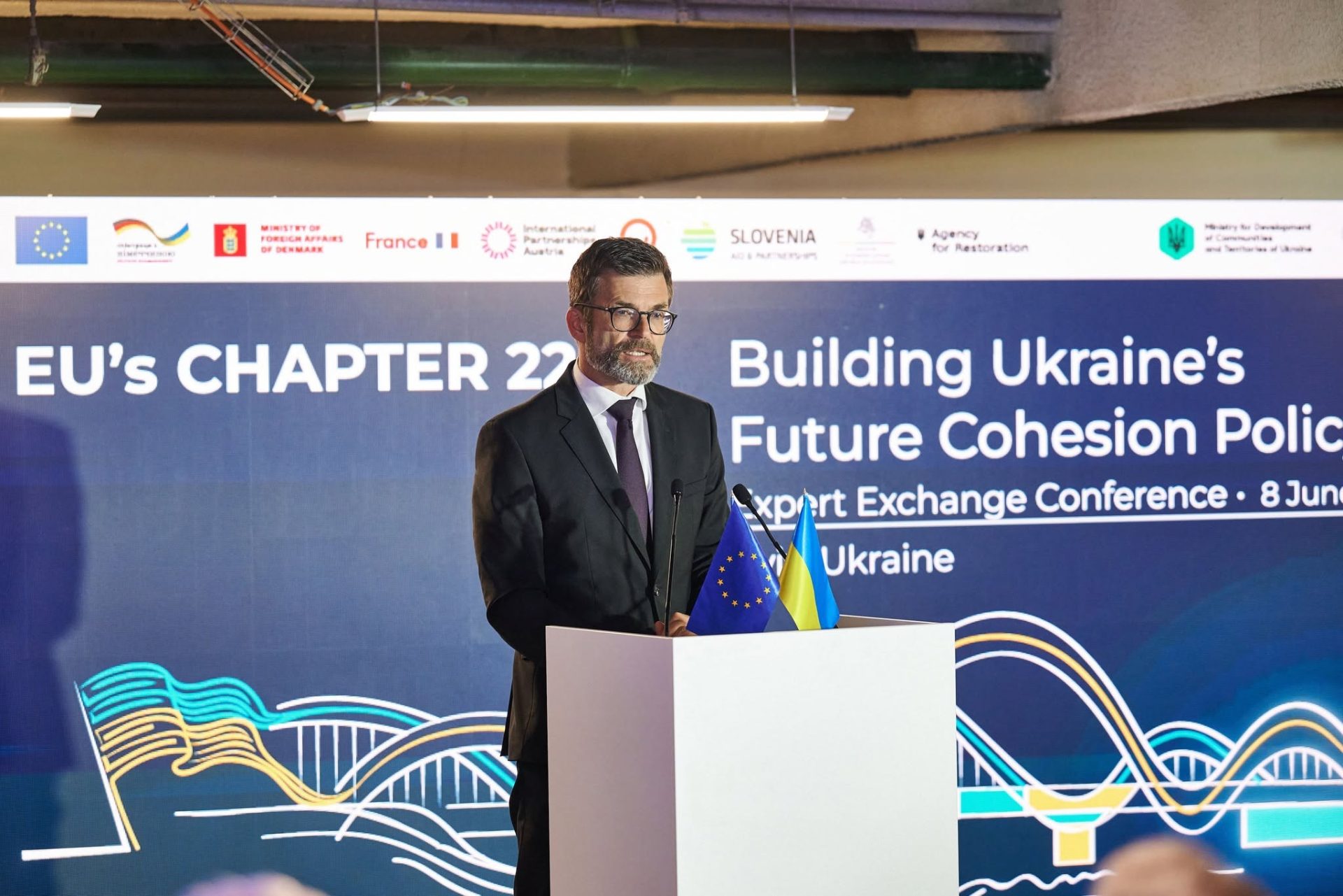
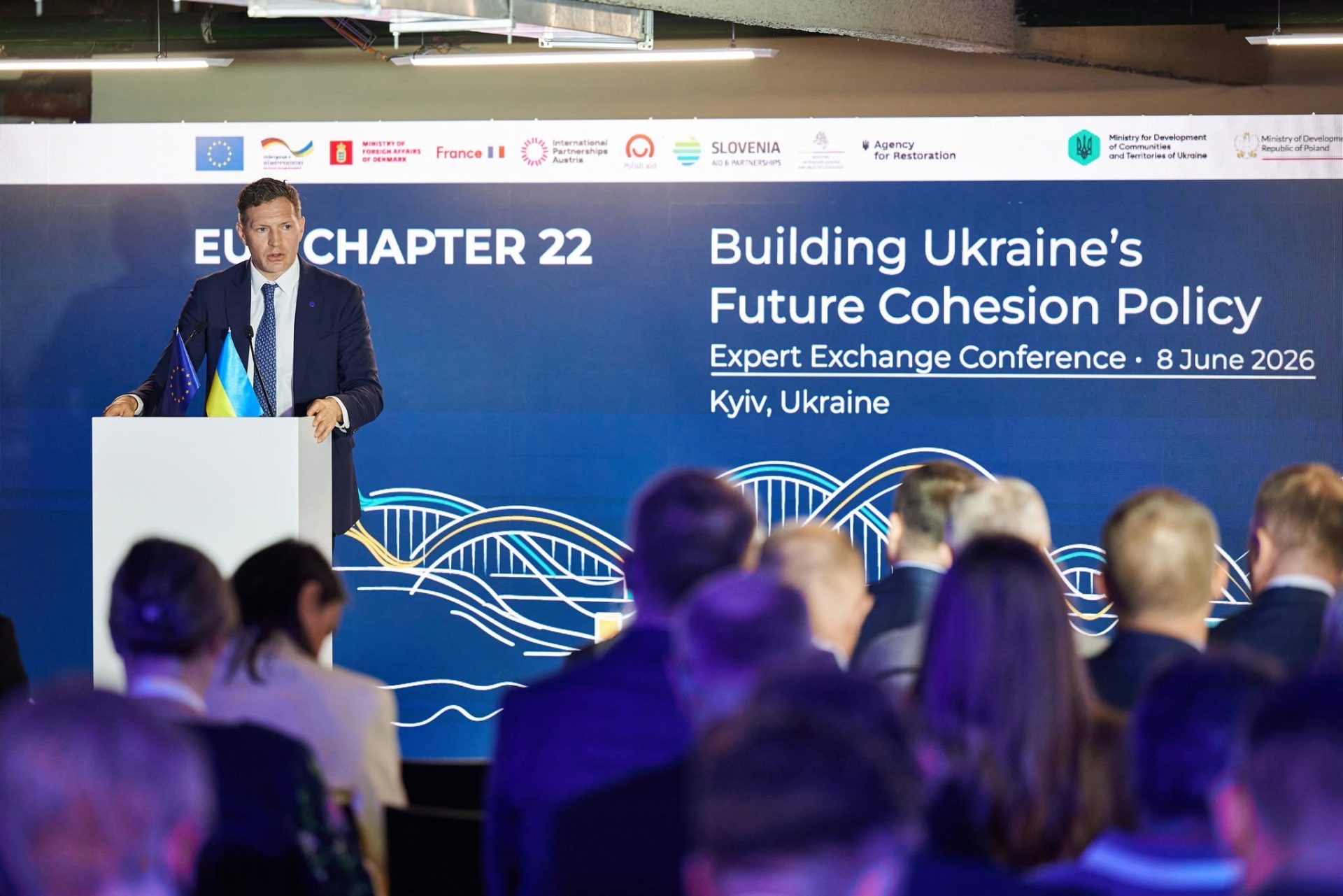
Opening the conference, Gediminas Navickas, Deputy EU Ambassador, stressed the importance of moving from planning to implementation: “Ukraine already has a clear plan for the way ahead. Now we need to step up the gear and move towards implementation. We should not lose a single day, week or month in making sure that EU reforms are implemented.”
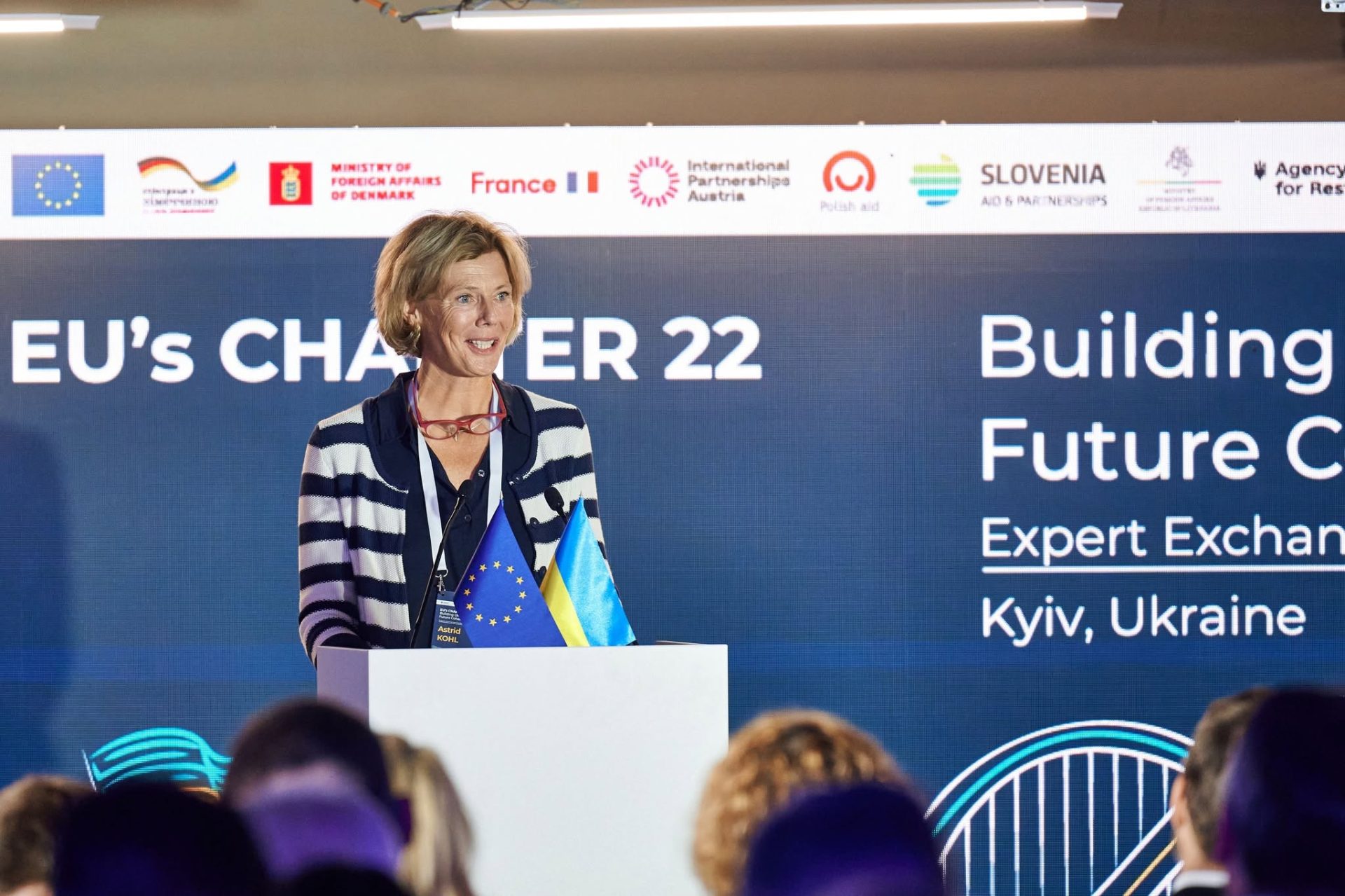
In her welcoming remarks, Astrid Kohl, Programme Director of U-LEAD with Europe, Coordinator of Good Multi-Level Governance Cluster of GIZ Ukraine, highlighted the broader significance of the process: “Preparing for the cohesion policy of the European Union is truly a transformative process. It concerns the whole society and institutions at national, regional and local levels. With the spirit of commitment and teamwork demonstrated today, there is every reason to be optimistic about this journey.”
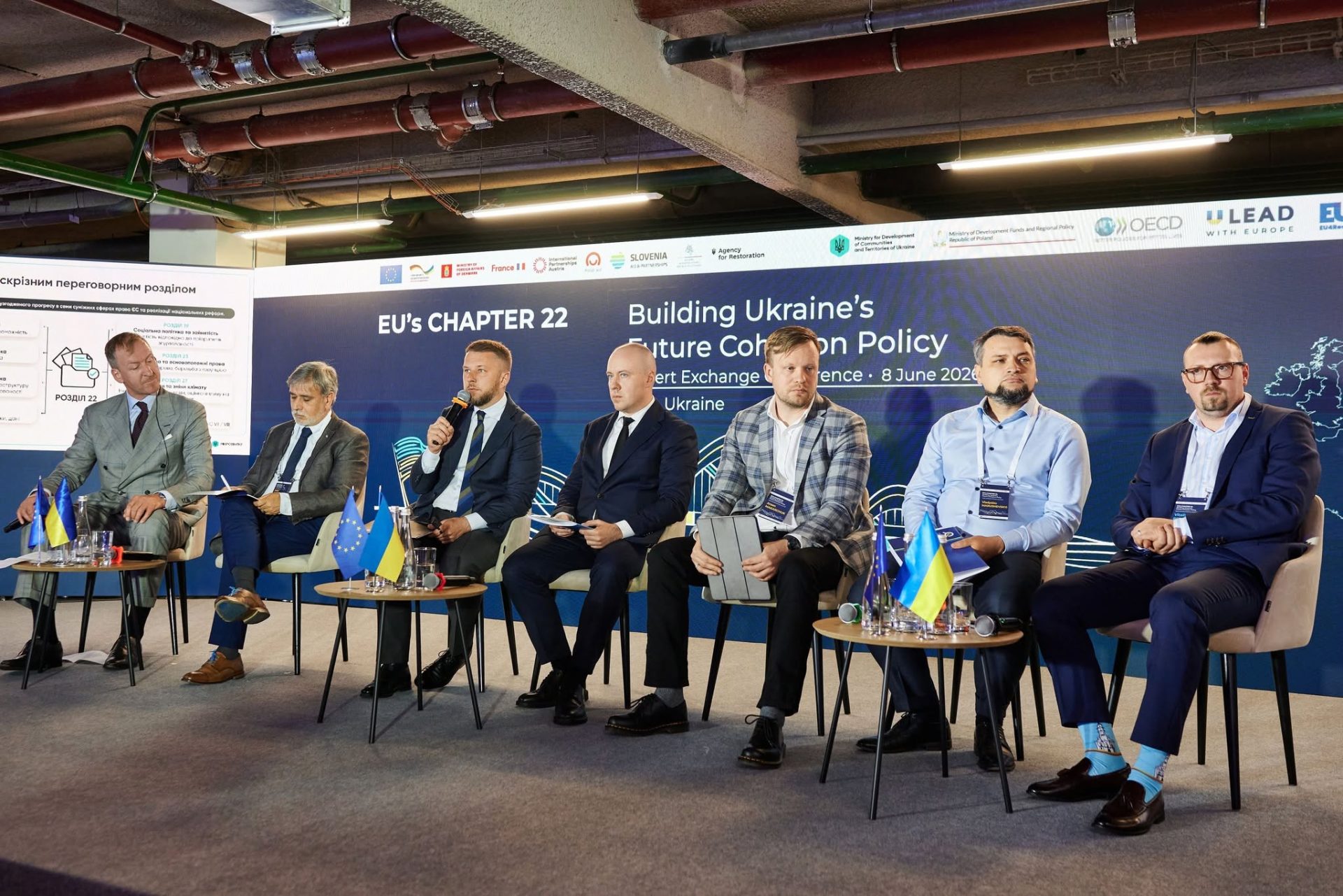
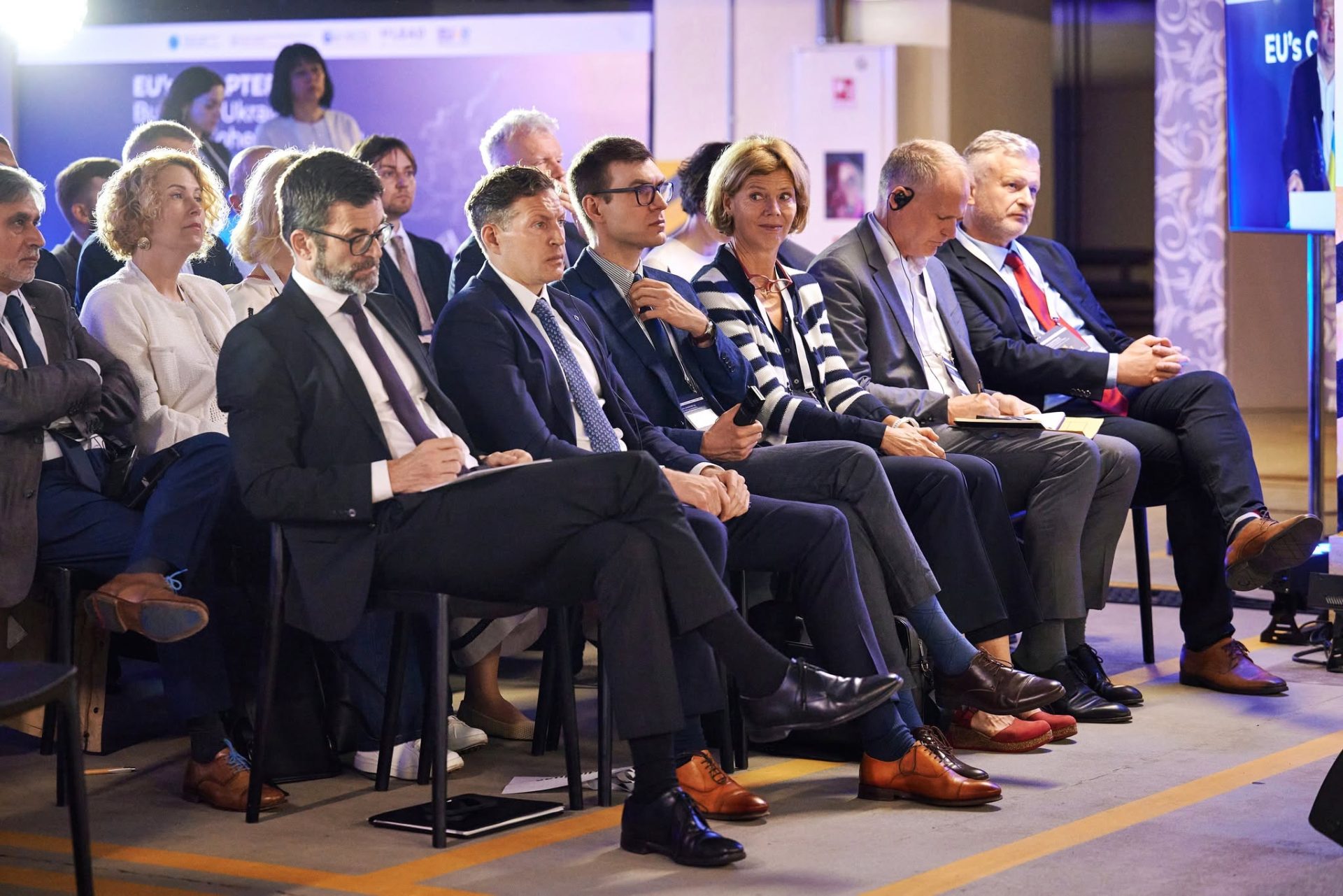
Throughout the discussions, participants explored the links between Chapter 22 and other negotiation chapters, as well as issues related to institutional readiness, strategic planning and the future governance framework for the implementation of EU Cohesion Policy in Ukraine.
Looking ahead to the next phase of work, Asier Santillán Luzuriaga, Head of section for European Integration, Governance,Rule of Law, and Civil Society, Delegation of the European Union to Ukraine, emphasised the need to focus on practical implementation: “With bi-lateral screening on the Chapter 22 completed in 2025, and Ukraine’s set tasks in the adopted National Programme for the Adoption of the Acquis, the focus is now on practical, chapter-by-chapter alignment to make membership a reality. I am delighted to see all key stakeholders from the Parliament and the Government here, ensuring coordination and cooperation. Broad political consensus on EU reforms must be sustained”.
A key milestone of the conference was the signing of Memoranda of Understanding between the Ministry for Development of Communities and Territories of Ukraine and the Sumy, Zakarpattia, Cherkasy and Vinnytsia Oblast Military Administrations.
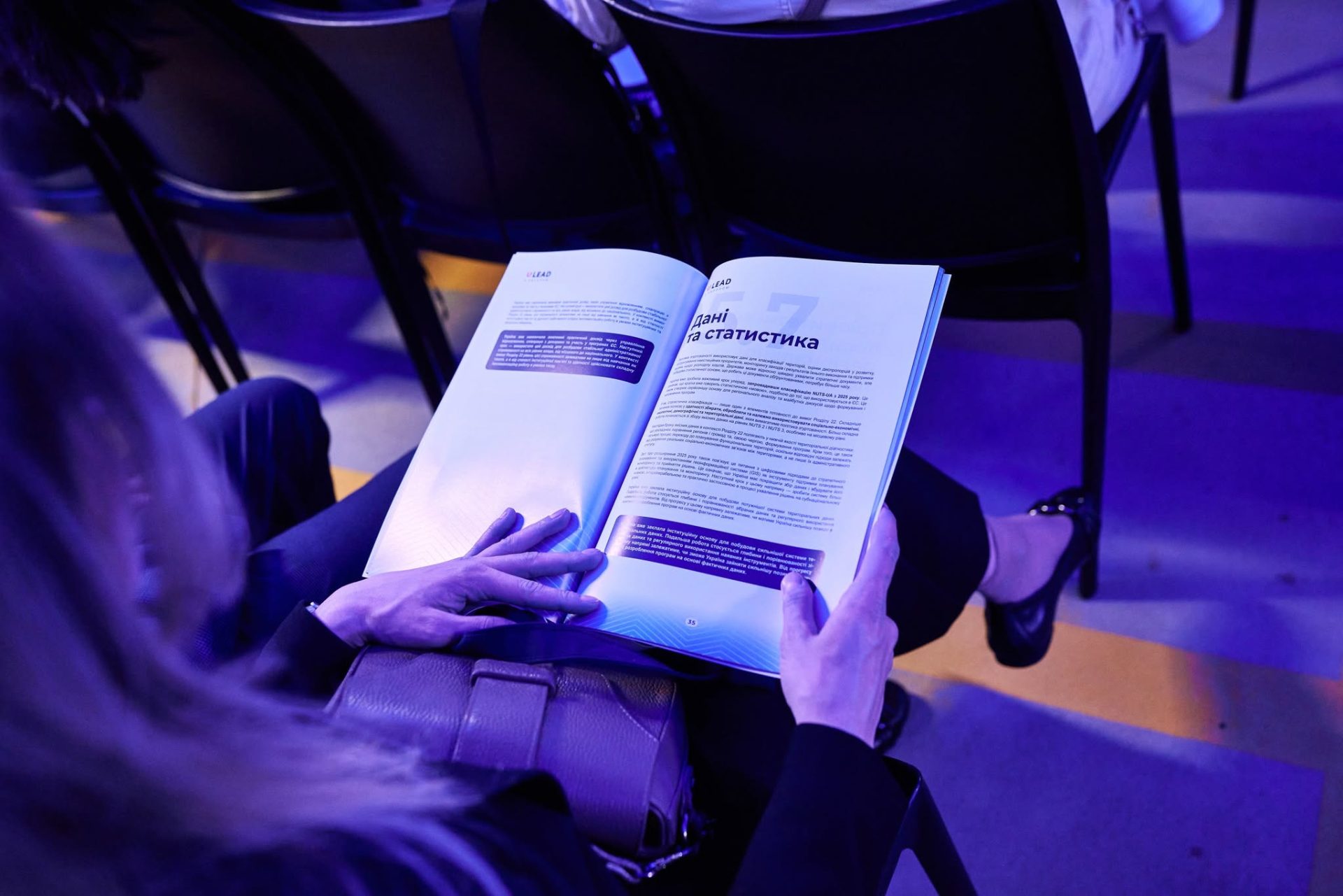
A separate area of work is the preparation of regions for the use of future EU support instruments. To this end, pilot regions will receive expert and methodological support, access to training programs, strategic sessions and European experience in the field of regional development.
The conference was organized by the Ministry of Community and Territorial Development of Ukraine and the U-LEAD with Europe Program with the participation of the OECD, the Ministry of Development Funds and Regional Policy of the Republic of Poland and EU4Reconstruction (Strategy 1).