- Together, we make Europe stronger: through local action, solidarity, and partnership.
- Solidarity Partnerships
- Follow-up and support from the very beginning
Together, we make Europe stronger: through local action, solidarity, and partnership.
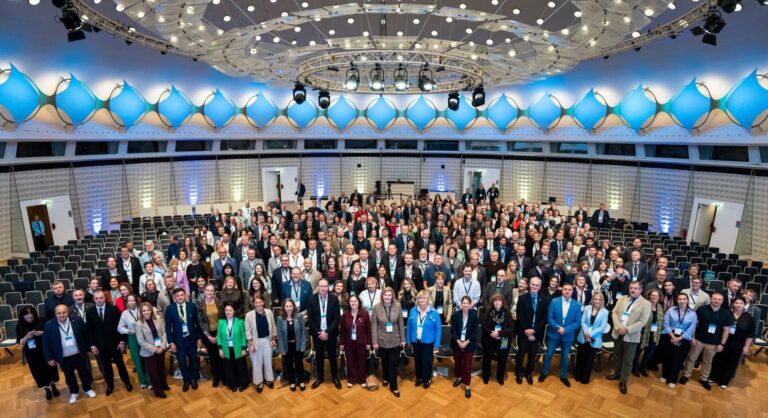
The eighth German-Ukrainian Municipal Partnership Conference will take place in Berlin from 7 to 9 October with over 500 participants and high-ranking politicians. It is aimed at municipal representatives and other dedicated individuals from the German-Ukrainian municipal partnership network. The focus will be on discussion and expert contributions covering successes, challenges and best practice in German-Ukrainian cooperation, support needs and municipal resilience in the face of the ongoing war of aggression, and jointly strengthening a secure and free Europe.
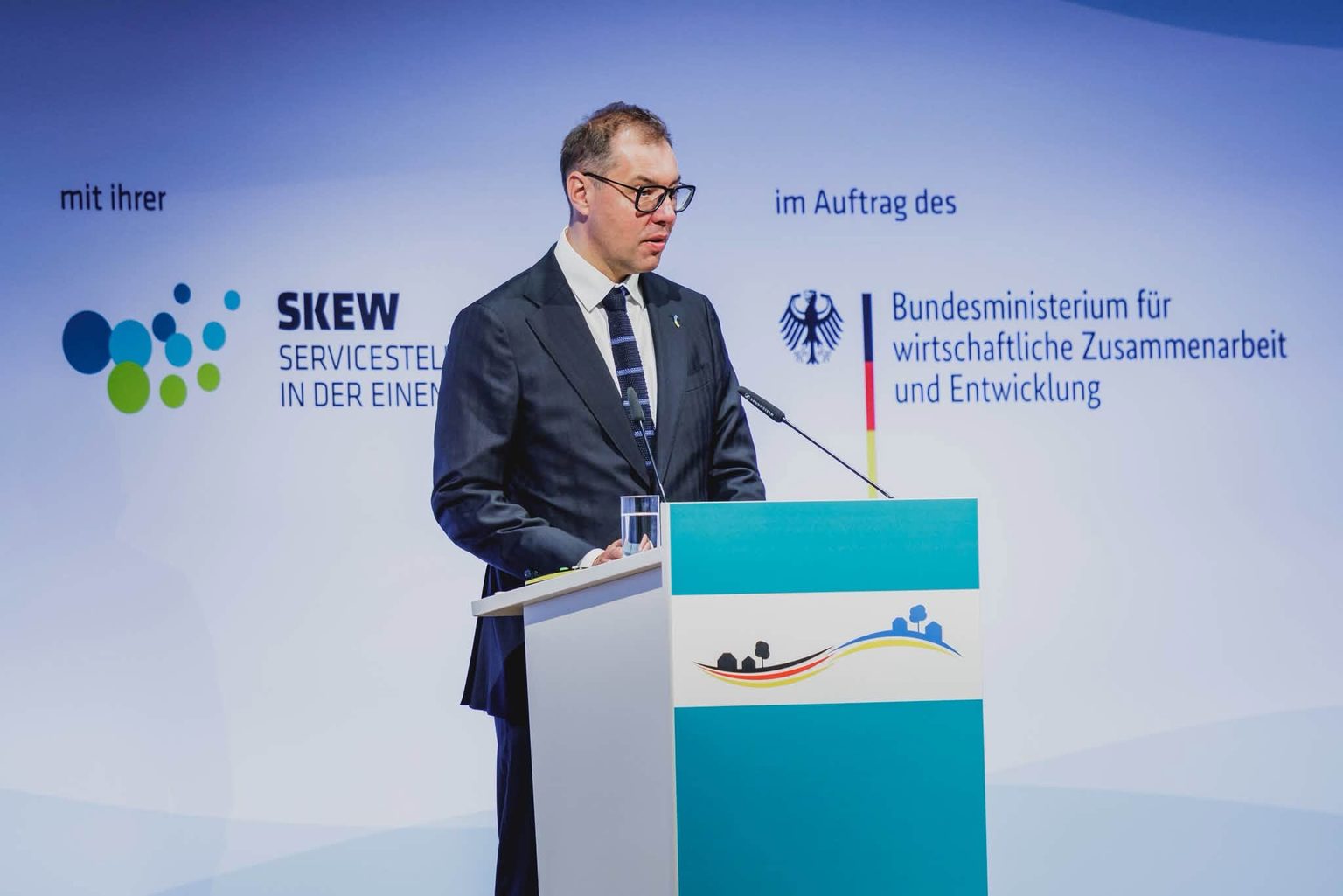
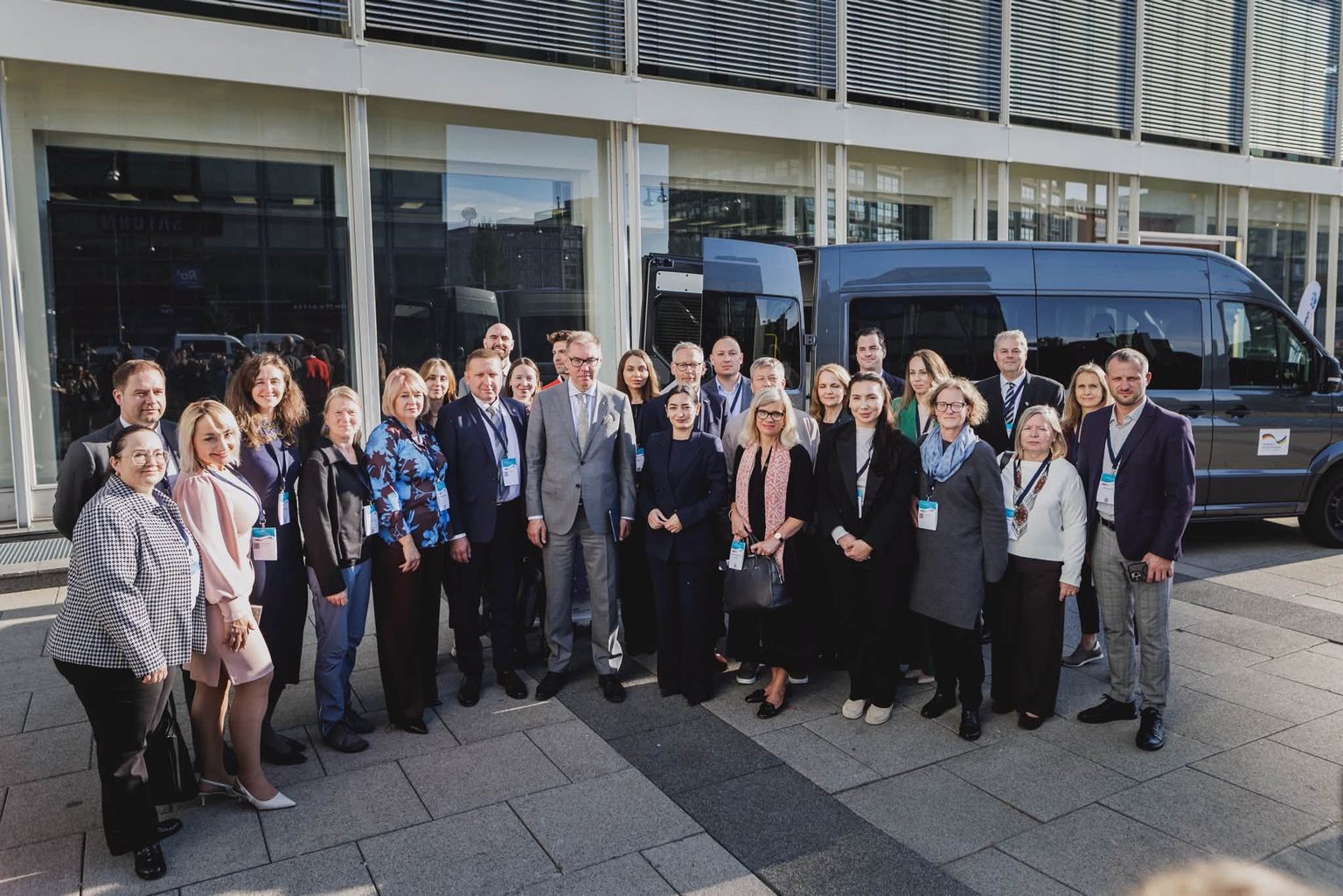
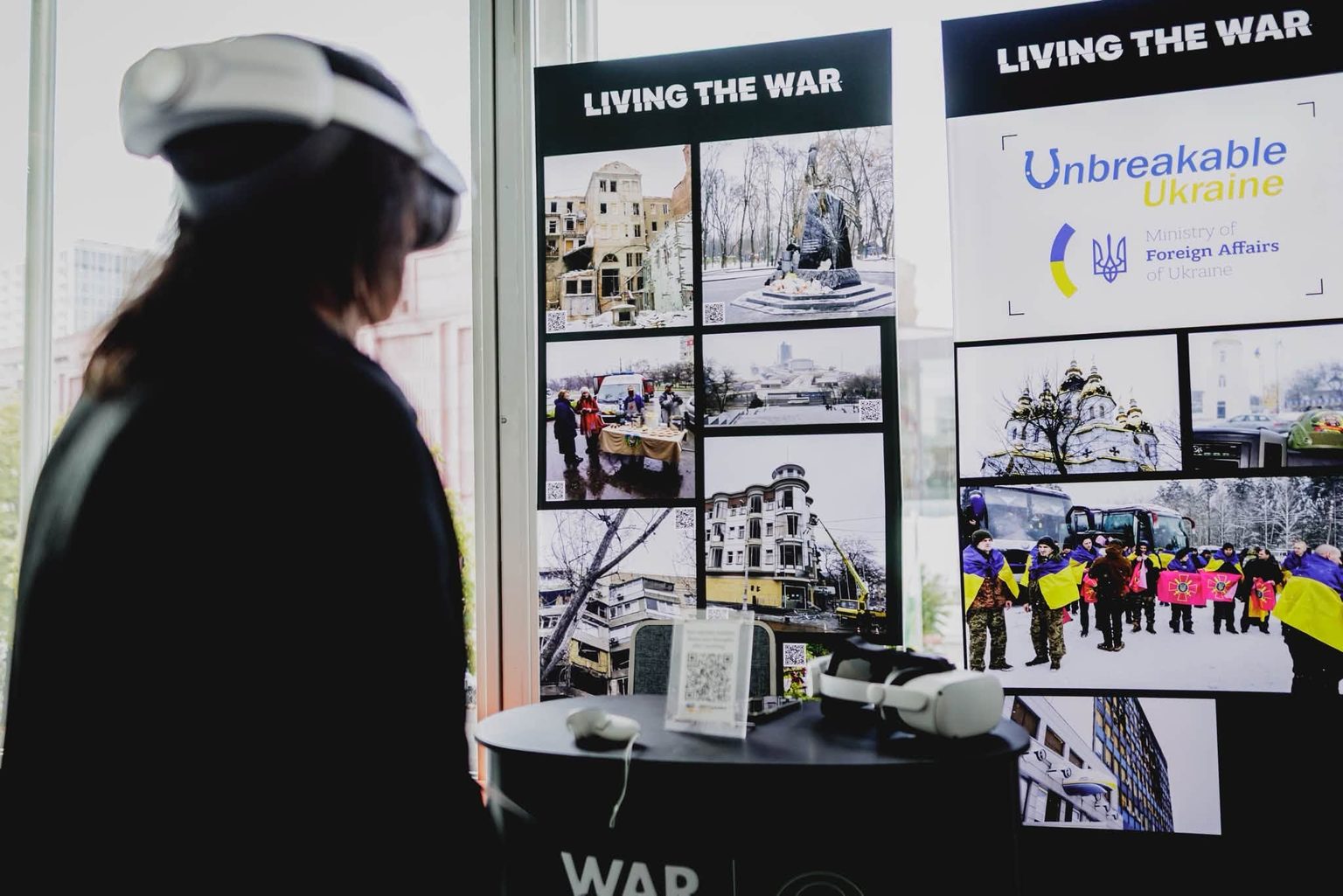
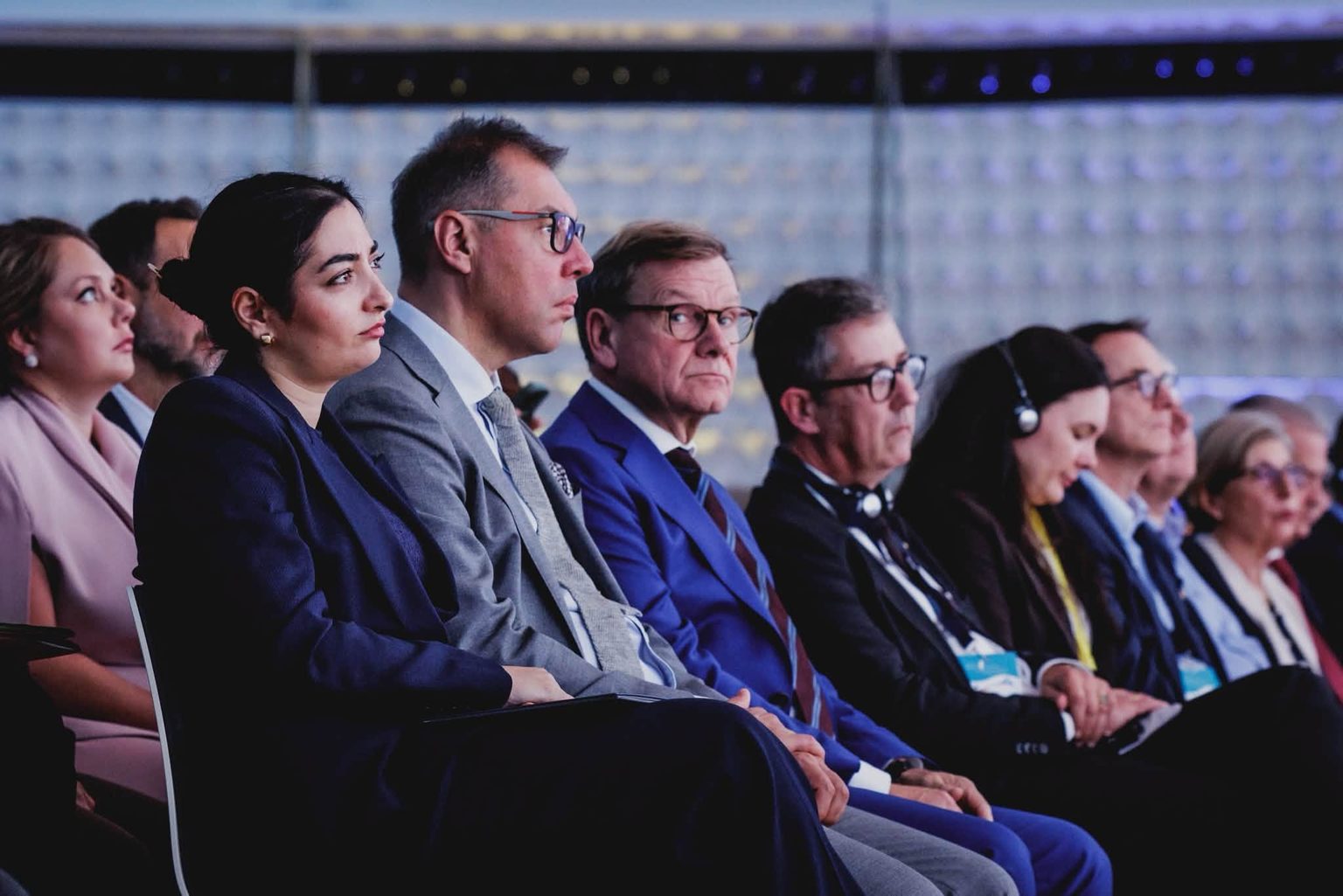
“We are there for each other.” – That is how H.E. Oleksii Makeiev, Ukrainian Ambassador to Germany, summarised the importance of the German-Ukrainian partnership network at the most recent conference in June 2025. He thus captured the particular strength of municipal cooperation, through which support can be provided personally, quickly and in a targeted manner. In view of the relentless military attacks on the population and infrastructure in Ukraine, this form of cooperation is and remains a crucial pillar in the defence of a resilient and strong Europe and democratic values.
With this conference, we want to give the municipalities involved in the German-Ukrainian partnership network an opportunity to…
- deepen trust and understanding through personal interaction,
- learn from each other,
- discuss experiences and requirements for resilient cooperation with various political levels in both countries,
- learn about support and funding opportunities for German-Ukrainian municipal cooperation,
- explore the next steps for the individual partnerships together.
The conference will be hosted by Engagement Global’s Service Agency Communities in One World on behalf of the Federal Ministry for Economic Cooperation and Development.
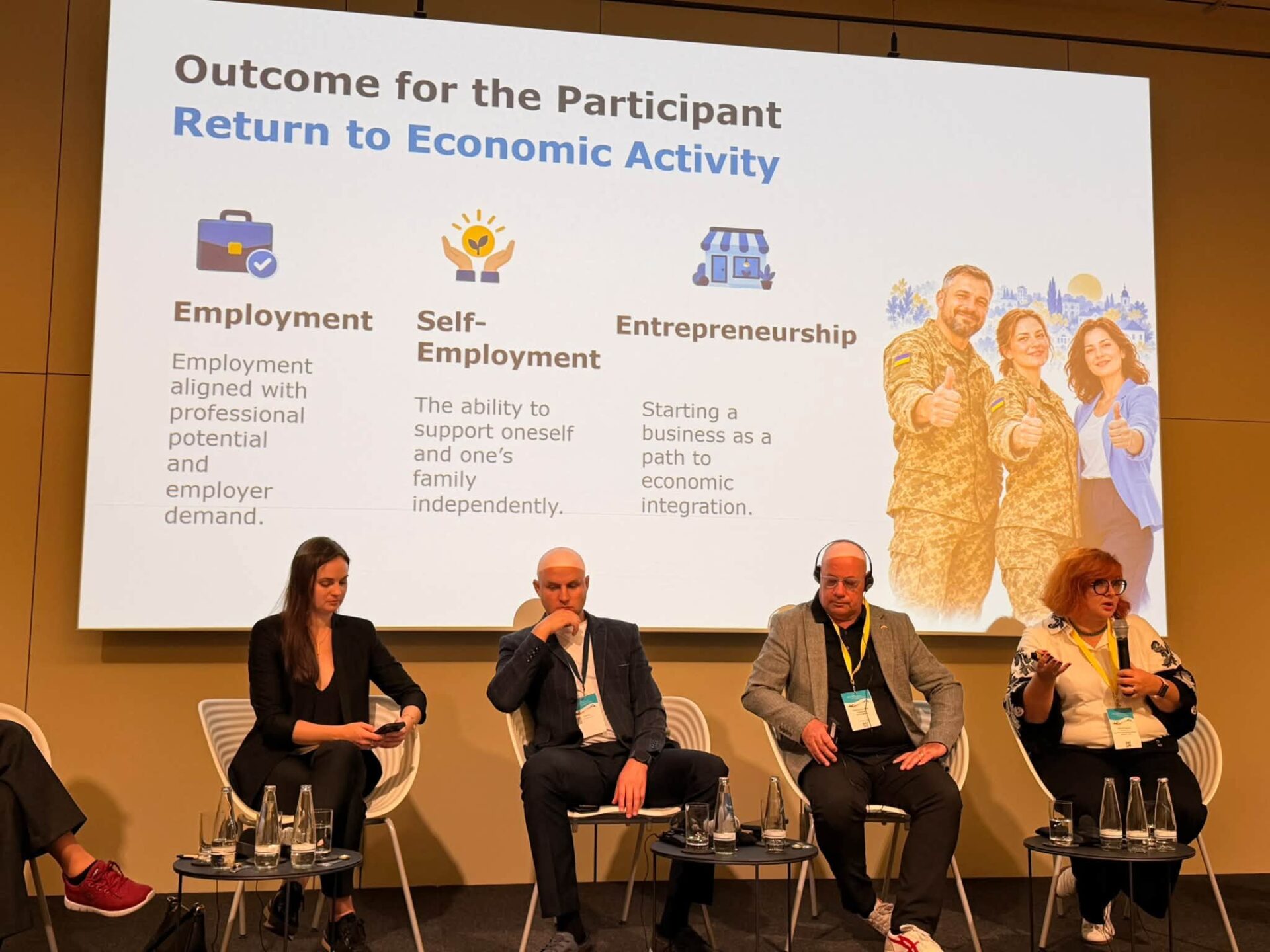
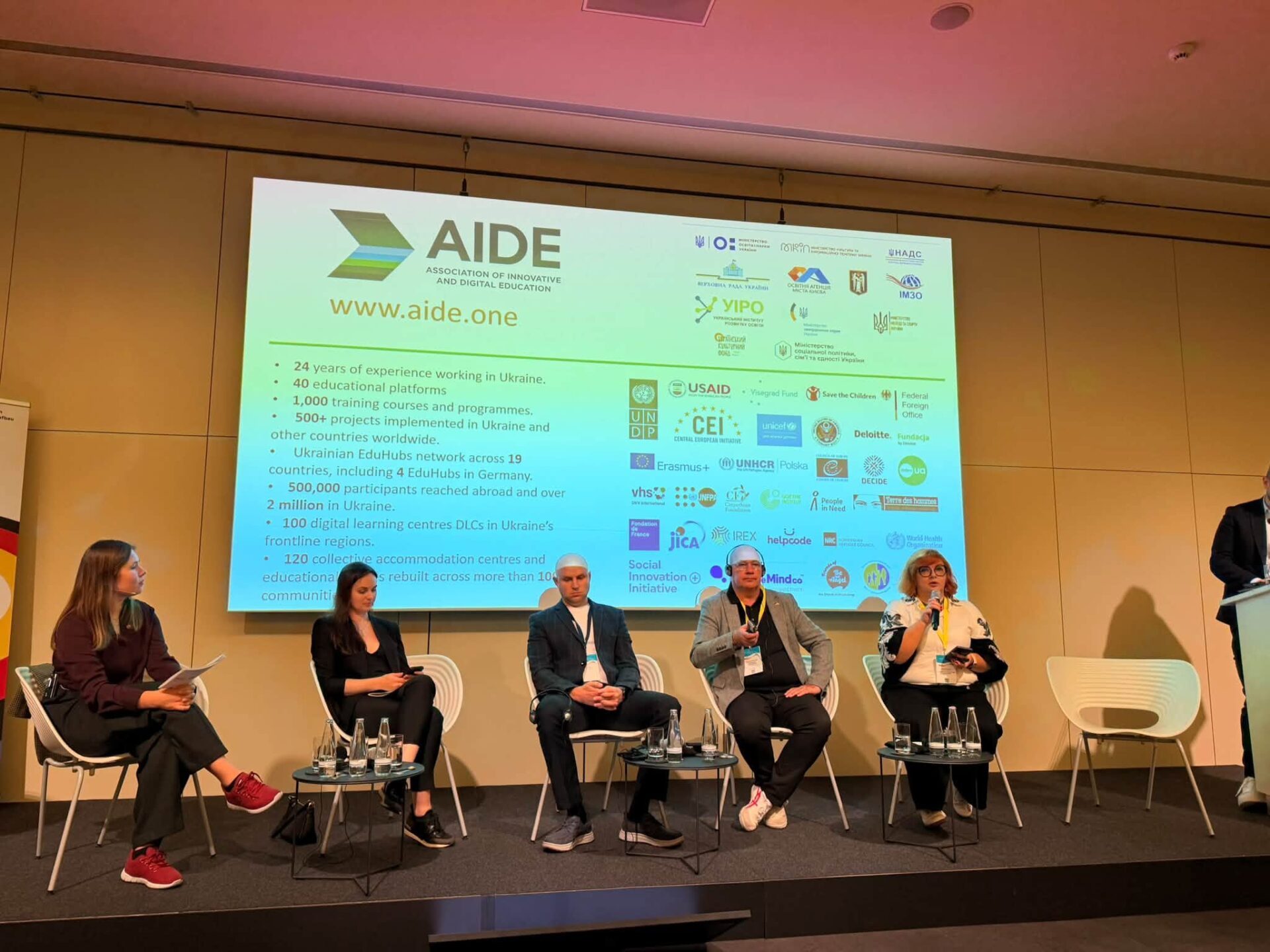
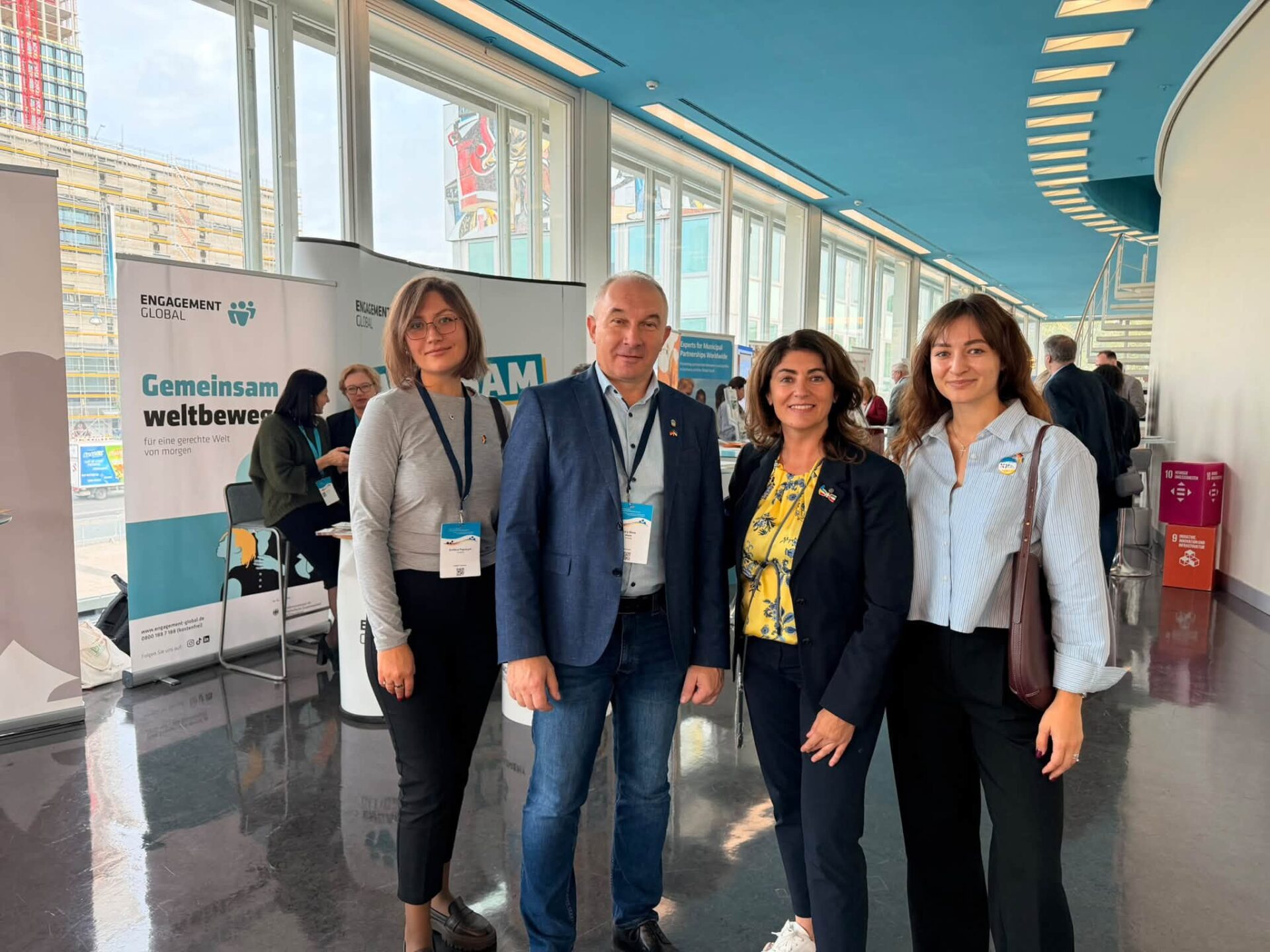
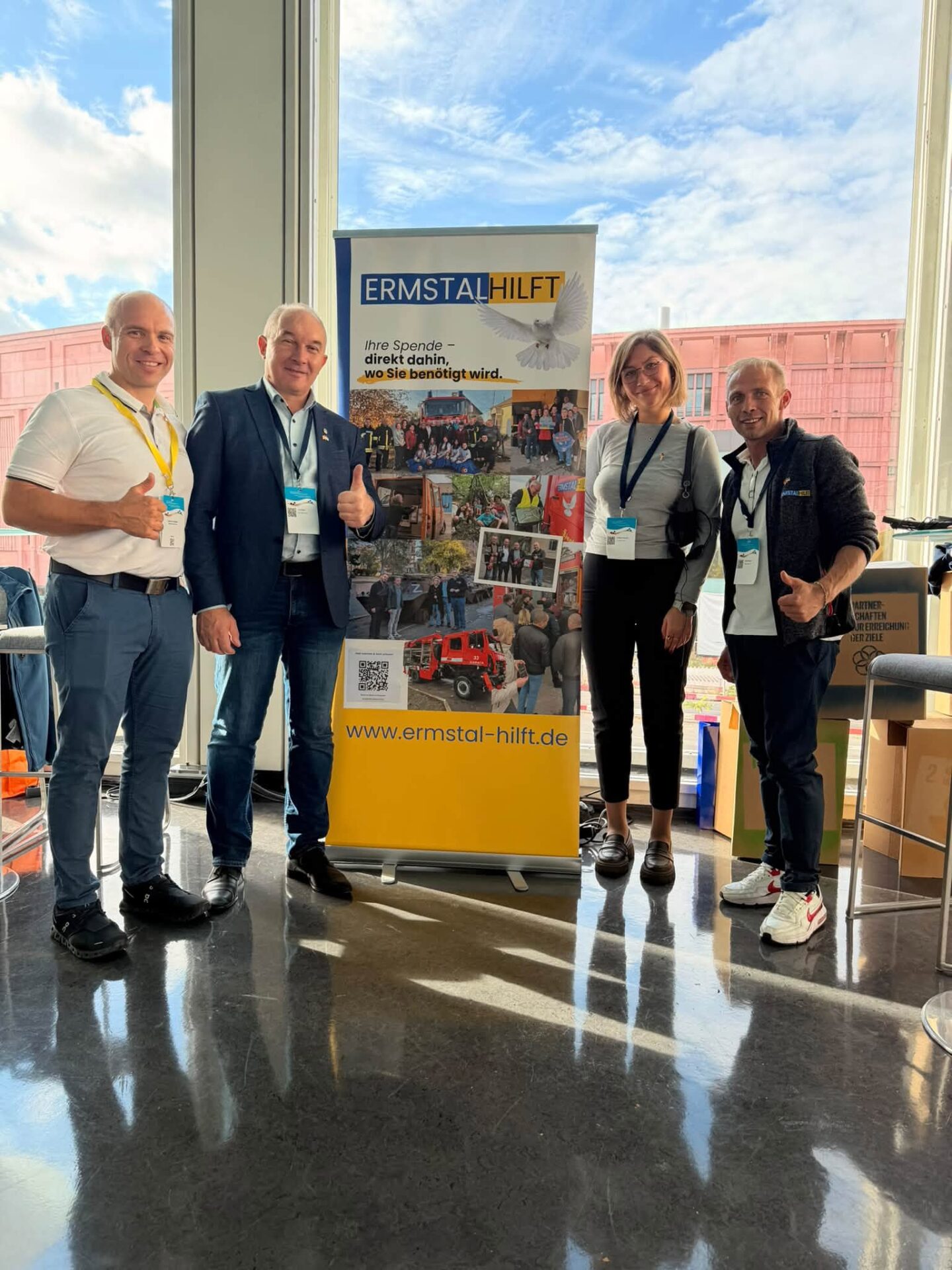
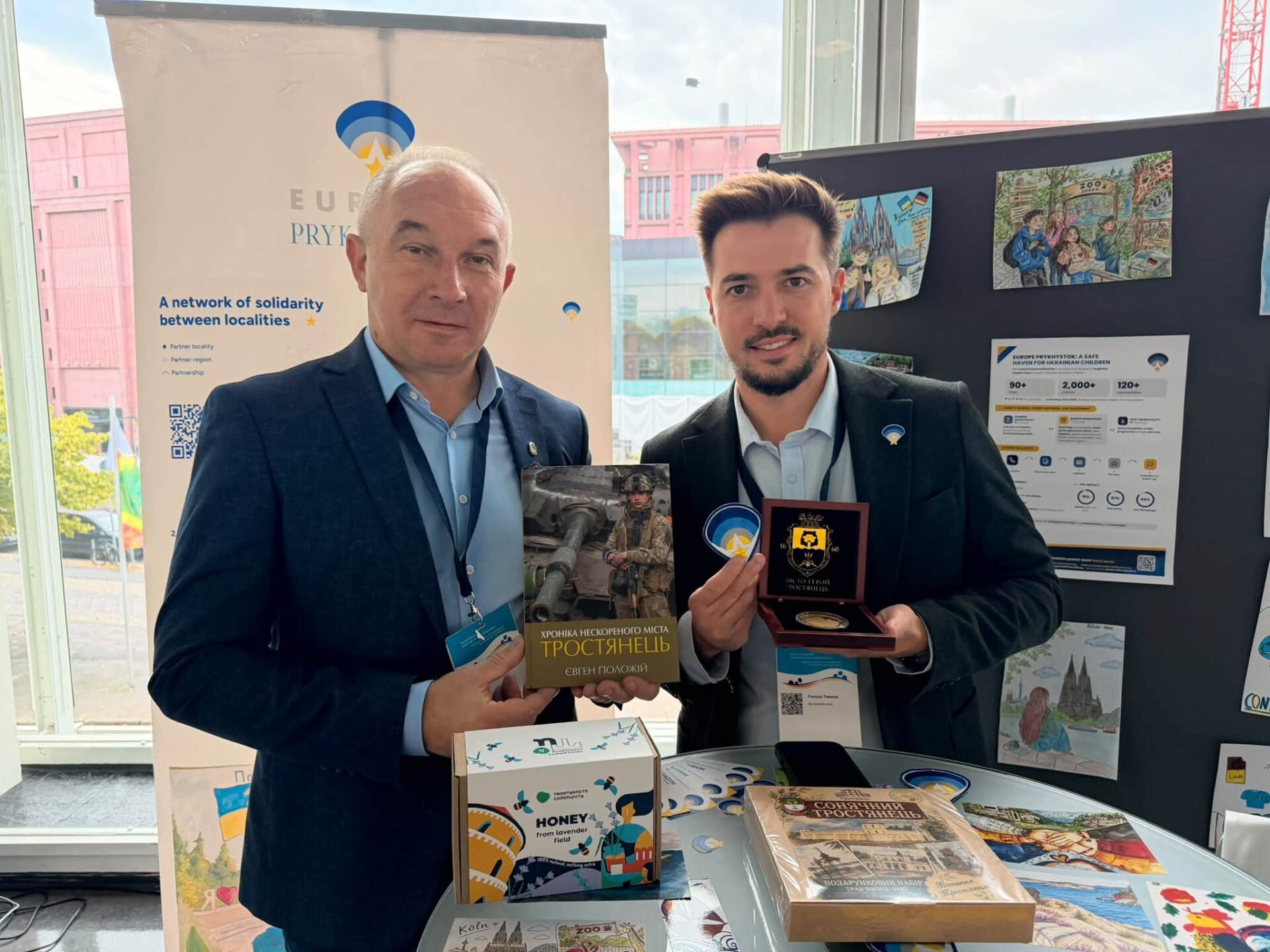
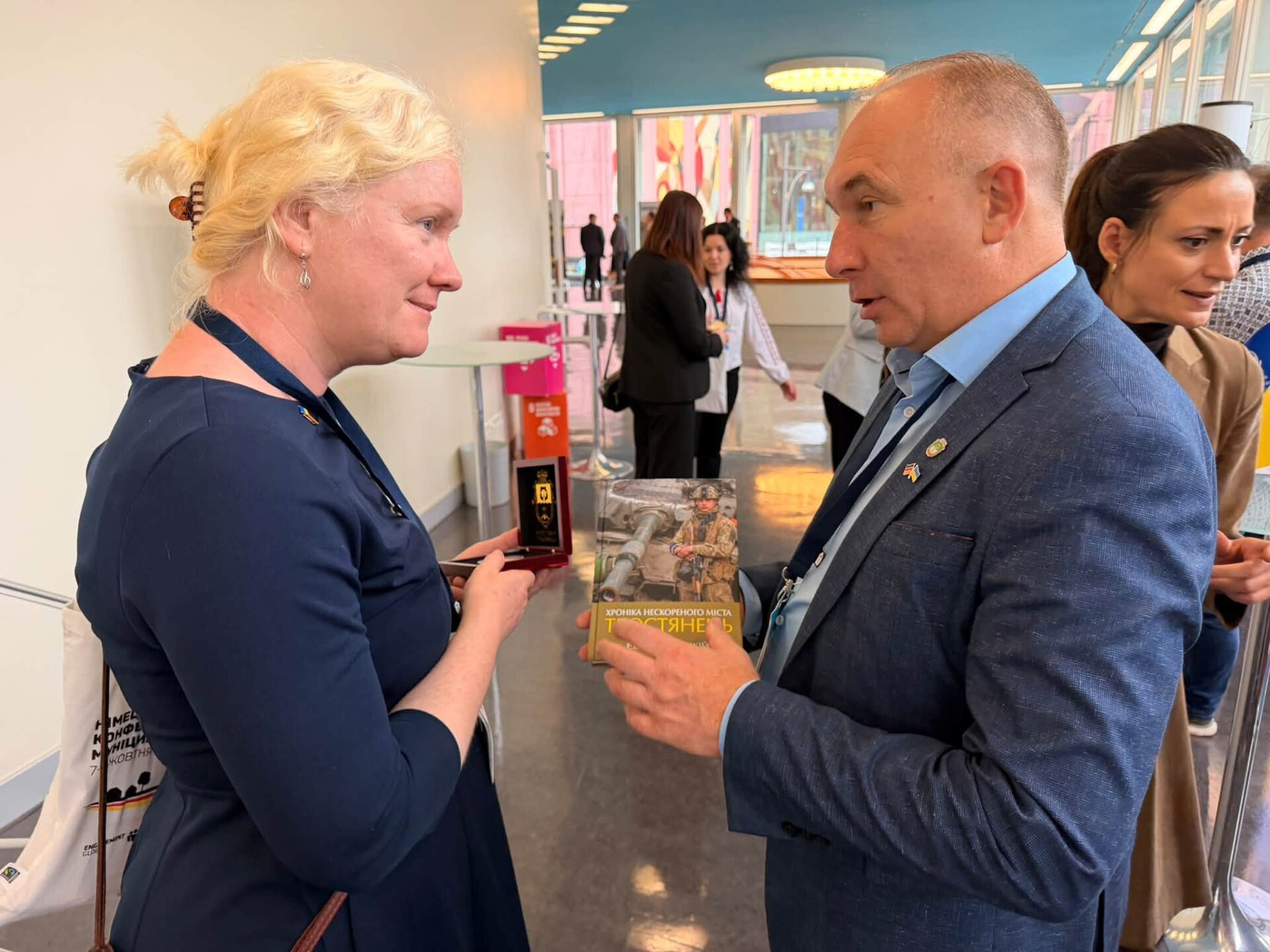
Over the next three days, municipal representatives and stakeholders from across the German-Ukrainian partnership network will come together. At the heart of the conference is a question that many municipalities are facing: How can cities and municipalities learn from one another and develop concrete solutions together?
Since 2015, the German Federal Ministry for Economic Cooperation and Development (BMZ) has supported municipal partnerships with Ukraine. Today, almost 300 formal and informal partnerships connect municipalities in Germany and Ukraine. Their areas of cooperation are diverse, ranging from energy security and disaster risk management to sustainable urban development and good local governance.
The Federal Ministry for Economic Cooperation and Development (BMZ) supports municipal partnerships through the Experts Fund for Municipal Partnerships Worldwide, jointly implemented by Deutsche Gesellschaft für Internationale Zusammenarbeit (GIZ) GmbH and the Servicestelle Kommunen in der Einen Welt (SKEW). The fund enables local and international experts to support partner municipalities and strengthen their cooperation on the ground.
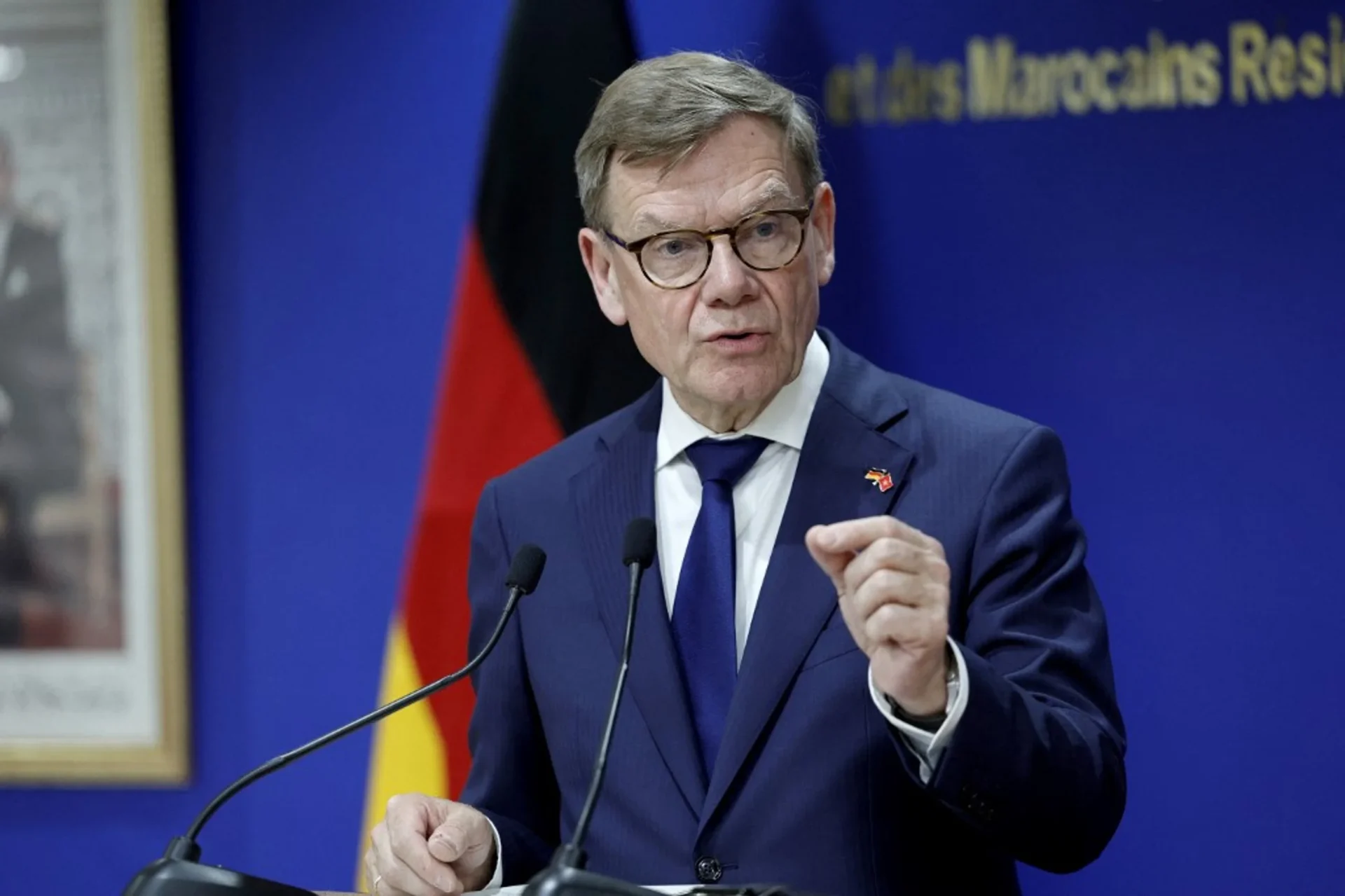
Speech by Foreign Minister Wadephul at the German-Ukrainian Municipal Partnership Conference 2026: “Friends stand together”
07.10.2026 – Speech
Mayors,
Reem, my good friend and fellow Minister,
Ms Giffey,
Ambassador Makeiev,
Fellow Members of the German Bundestag,
Esteemed guests,
Friends,
I would like to tell you today about an encounter that greatly moved me.
Like you, Reem, and the Federal Chancellor, I travelled to Ukraine during the summer, where I was able to keep a promise that I had made during my first visit to Kyiv.
Back then, Russian missiles had just hit a residential area, and my delegation and I viewed the ruins and spoke with people whose houses and apartments had been destroyed.
These people included the family of a locally employed colleague from the German Embassy in Kyiv, who does important work for us there. Her husband is at the front.
We stood together in the ruins of her living room and I told her that I would come back to Kyiv. And when I came, it would be with a cake for us to enjoy together in her living room, as it would be rebuilt by then with the help of many colleagues from our Embassy, among others.
This summer, we were finally able to meet again.
We sat on her sofa. We hugged each other. We felt happy. We enjoyed coffee and cake. And she said something to me that I would like to share with you here today:
“Friends stand together”.
And that’s true. These words could basically be the unofficial motto of this conference – because municipal partnerships are an expression of friendship, indeed of an entire network of friendship that already goes far beyond bilateral partnerships. And this network is an integral part of German foreign policy, precisely because it complements classical diplomacy.
It is in Ukrainian cities and municipalities that decisions are taken every day after Russian attacks that determine whether power and water continue to be available, whether schools and hospitals remain open, whether air-raid shelters can be reached, and whether people receive reliable information.
I saw this repeatedly during my visits to Ukraine, most recently this summer. That time, after visiting Kyiv, I travelled on to Kharkiv, where people are very grateful for the partnership with Nuremberg. Kharkiv is around 30 kilometres from the front.
On the way there, in the Poltava region, I spoke with three local mayors, who told me about the challenges they face every day. We always read about how Russia deliberately targets Ukrainian infrastructure.
But what this means in concrete terms is something one only sees and experiences by travelling to Ukraine, by looking at the situation on the ground or by speaking with people.
The mayors told me about the difficulties of keeping petrol stations connected to the power grid. In one municipality, all of the petrol stations had been damaged. Those that were still working urgently needed a decentralised power supply.
Fortunately, Germany was able to help with this several times. And such help often came from the municipal level – because friends do indeed stand together.
Building on this tenet, we want to organise a round table meeting of German and Ukrainian mayors next year. In order to make this dialogue truly pragmatic, we want to ask what works locally and how towns and municipalities can mutually support each other.
This dialogue can help Ukraine on its challenging path to EU membership, for example. After all, many EU rules have to be implemented in town halls and municipal administrations.
But naturally, these partnerships are not a one-way street. I think this is a very important point. German municipalities can also learn a great deal from the experience of their Ukrainian friends.
For instance, how can we ensure that our supply infrastructure is even better protected? How can we prepare for power or communications blackouts? How can we enhance disaster prevention? And how do we protect our society from hybrid threats and disinformation campaigns?
All of these are questions that we are also asking ourselves here in Germany, albeit to a very different extent than in Ukraine. And these questions need to be asked because Russian aggression does not end at the Ukrainian border.
We, too, are experiencing hybrid threats from Russia, as we recently saw in Leipzig. The German Government responded very resolutely to this.
I also raised this issue again at the United Nations in New York when I met Mr Lavrov, the Russian Foreign Minister. I stated in no uncertain terms that we will not tolerate these attacks by Russia, that we will defend ourselves against any threat to our country’s security and that we will not allow ourselves to be intimidated, as the Chancellor and the Federal Minister for Economic Affairs underlined once again during their visit to Ukraine last weekend.
I also spoke with the Russian Foreign Minister about grain exports, which are stuck in Ukrainian ports because of Russia’s targeted attacks.
A third of the harvest in Ukraine is at risk of spoilage. And at the same time, the world needs these exports. If they do not leave port soon, there is a risk of famine in regions that are already unstable. This can lead to new waves of displacement.
This, too, is a form of destabilisation, which Russia is fuelling with its ruthlessly expansionist aggression.
In Russia, too, there were brave individuals who were quick to recognise this aggression for what it was and criticised it from an early stage.
Today in particular, we must also speak up about this, as it is the twentieth anniversary of the murder of Anna Politkovskaya, a journalist who stood up against the Russian system of repression, corruption and expansionist power politics and publicly denounced it.
Anna Politkovskaya’s murder was an early warning to us about what is now a day-to-day occurrence in Russia, namely the suppression of people’s freedom.
Those in power in Russia know that their greatest opponent may well be people’s freedom.
That is why Anna Politkovskaya had to die.
Germany stands for freedom.
Europe stands for freedom.
And this means that we will stand steadfastly by Ukraine because friends stand together.
Slava Ukraini!
German – Ukrainian municipal partnerships
On behalf of the Federal Ministry for Economic Cooperation and Development the Service Agency (SKEW) has been supporting the network of already 250 formal and informal municipal partnerships since 2015 as part of the project „Municipal Partnerships with Ukraine“. This support includes various networking, consulting and promotion activities.
The SKEW receives assistance from our project specialists implanted at the Konrad Adenauer Foundation and the Deutsche Gesellschaft für Internationale Zusammenarbeit (GIZ) in Ukraine to consult and accompany the Ukrainian municipalities in designing their cooperation with German partner municipalities. It also consolidates the municipal expertise of municipalities and German partners in the municipal policy in Ukraine, which includes such topics as energy efficiency, sustainable urban development and good local governance.
Solidarity Partnerships
Since the outbreak of the war in Ukraine in February 2022 we have been receiving numerous requests from German municipalities expressing their solidarity and willing to support Ukraine through municipal partnerships. To make it happen, we make strong efforts to arrange informal solidarity partnerships between German and Ukrainian municipalities for ensuring targeted and need-tailored support.
The term „solidarity partnerships“ is considered as an umbrella term for the municipal partnerships arising due to the war – irrespectively of whether they are agreed on a formal basis with the signing of a partnership agreement or pose an informal connection between the parties.
Follow-up and support from the very beginning
The proposed support package „Solidarity Partnerships with Ukraine“ enables Ukrainian and German cities and municipalities to network with each other and to jointly implement the acutely needed support. The project specialists accompany the municipalities at their request at all stages from the very beginning. The following support measures are available:
- If possible and if needed: identification of a suitable municipality in Germany or Ukraine and assistance in establishing contacts;
- Support in contacting the responsible representatives of a municipality;
- Support in arranging and implementing a networking (online) exchange supported by interpreters to get to know each other and to agree on needs and opportunities for the future cooperation;
- Advisory support concerning the opportunities of municipal partnerships, especially during the war, as well as support packages from Engagement Global and the Service Agency Communities in One World;
- Admission of German municipalities and their Ukrainian partners into the well-established network of German-Ukrainian partnerships that can utilize numerous networking, consulting and support tools.