
Frontline municipalities do not need general recovery rules, but solutions for daily work under fire.
- How to refuel emergency medical vehicles, garbage trucks, buses and generators when there are no gas stations left in the city?
- Where to educate children if there is only one underground school for the entire community?
- How to implement a water supply project when the required co-financing is equal to a tenth of all the hromada’s own income?
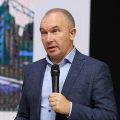
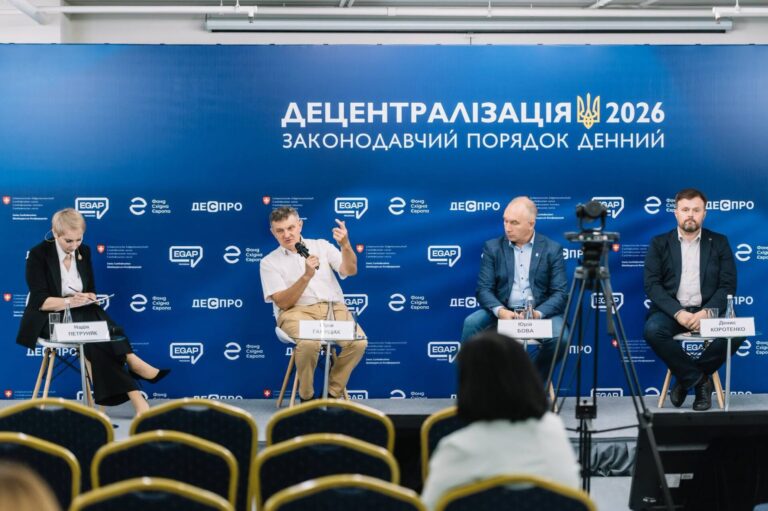
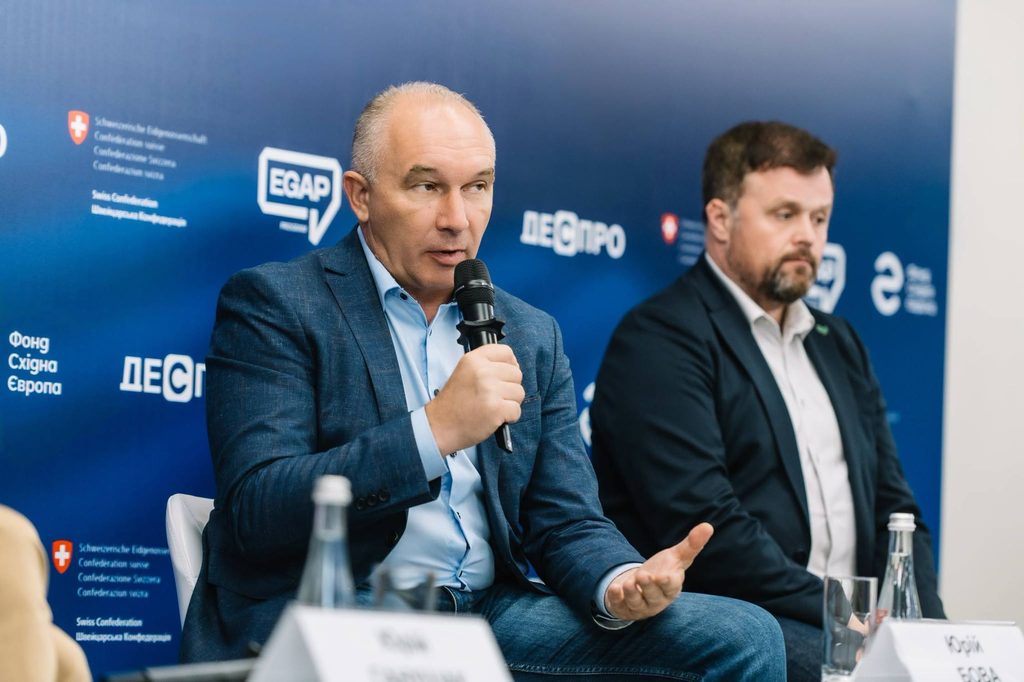
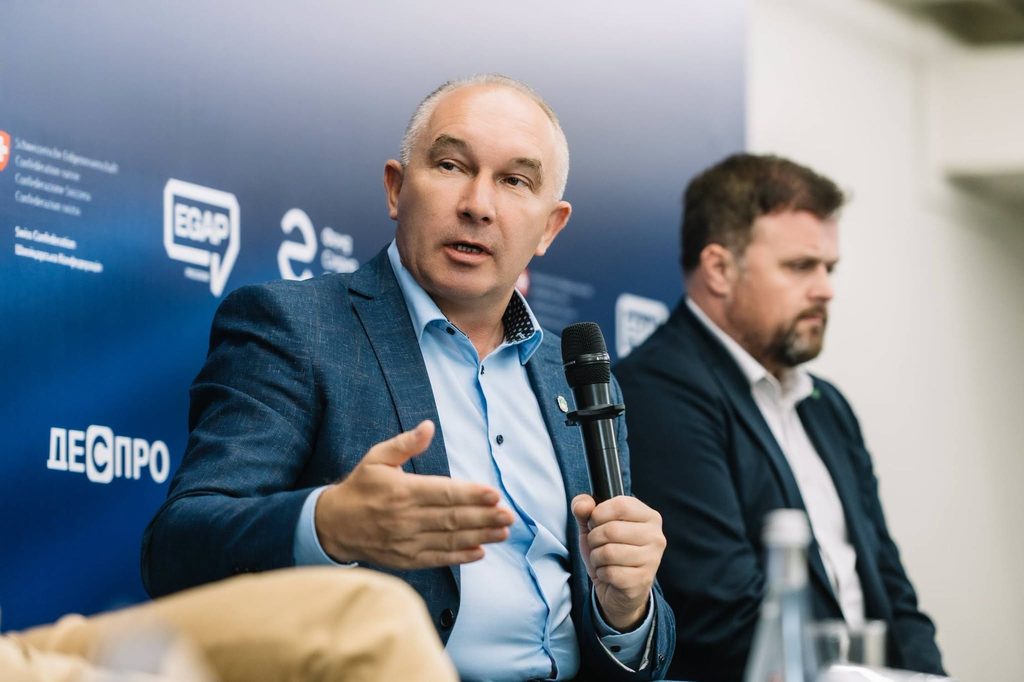
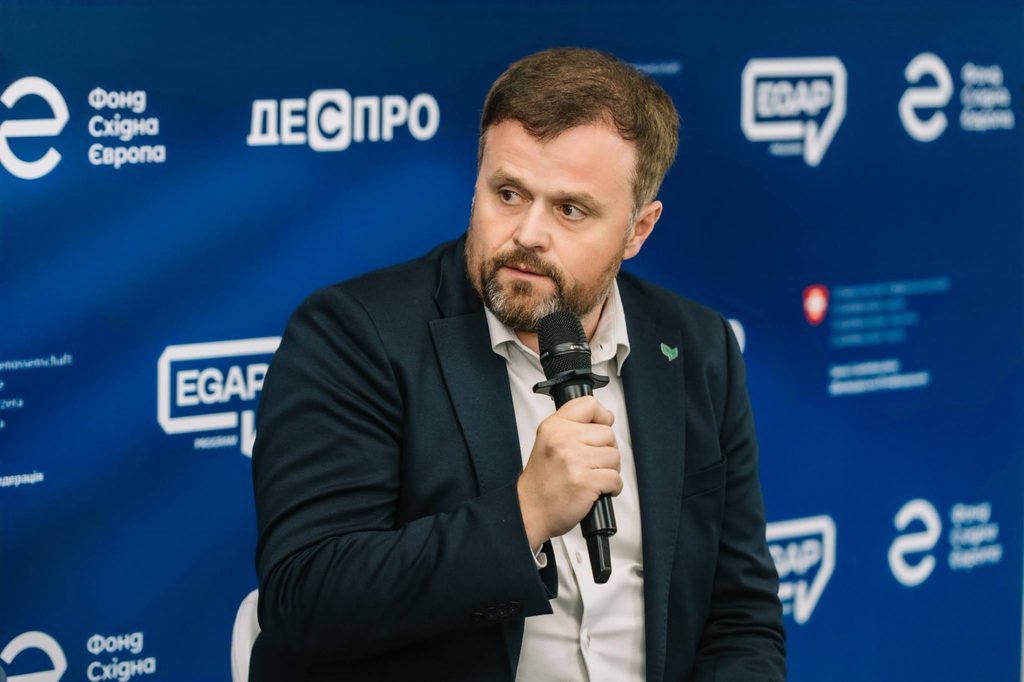
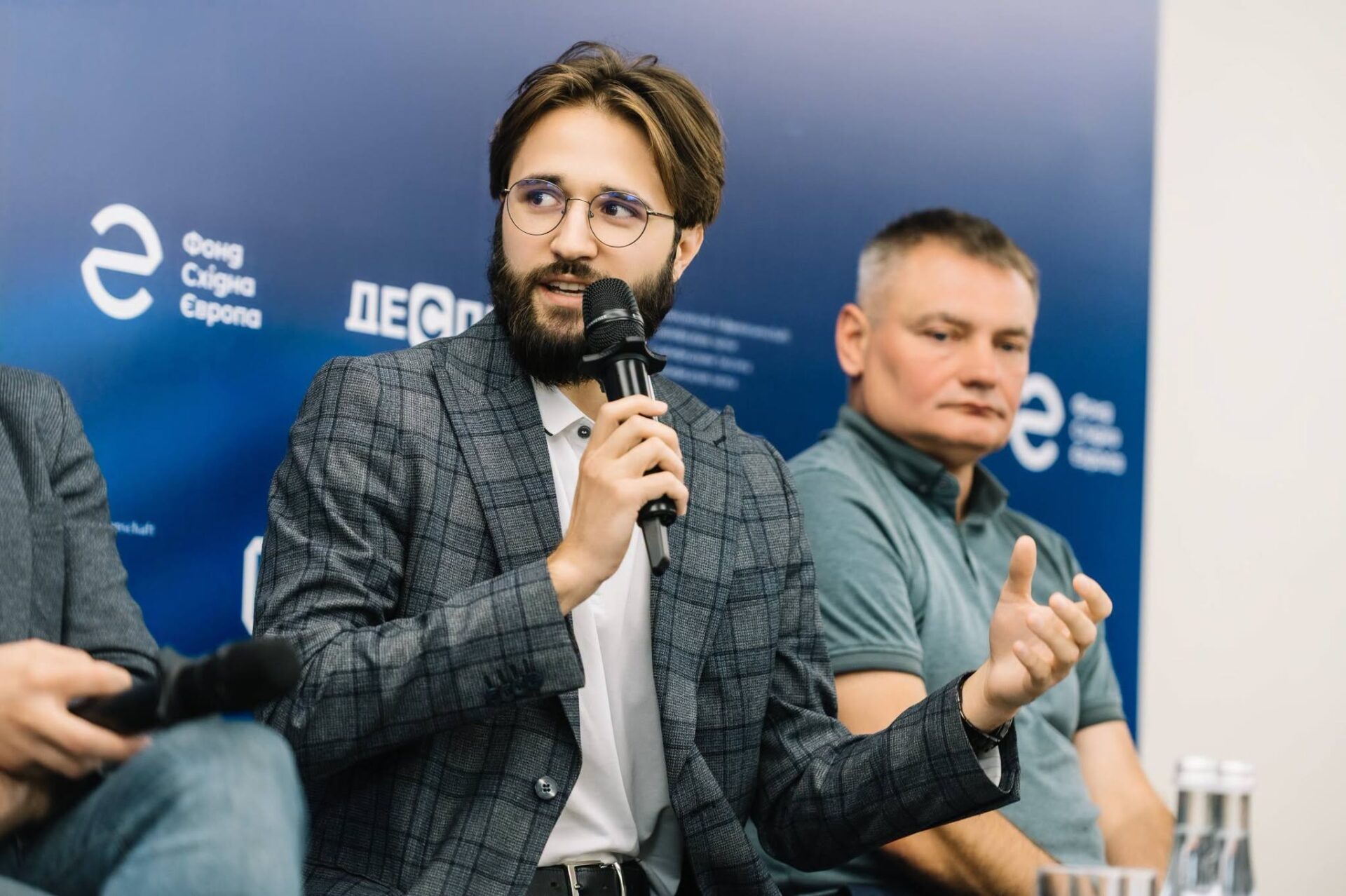
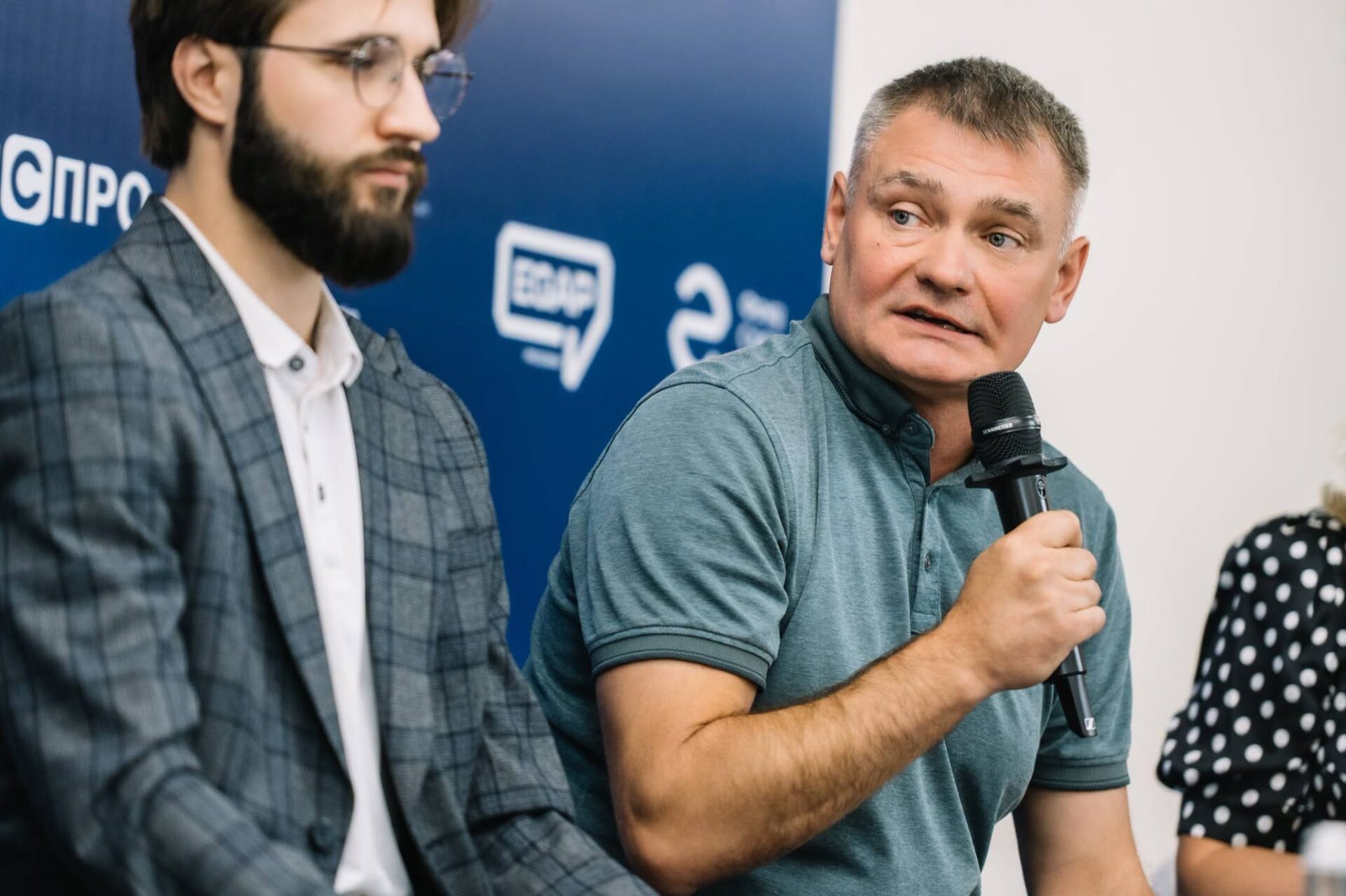
This was discussed during the Forum “Decentralization 2026. Legislative Agenda” by Trostyanets City Mayor Yuriy Bova and Shyrokyno Village Mayor Denys Korotenko.
Mobile gas stations for municipality without gas stations
Yuriy Bova said that since June, no gas station has been operating in Trostyanets city hromada, and only a few gas stations remain around the city. Fuel has to be found and brought, although it is necessary for the operation of municipal vehicles, emergency medical vehicles, buses, garbage trucks and generators.
According to the mayor, a bill has already been developed for such situations, which should allow the use of mobile fueling complexes. Before the war, the possibility of their use was not provided for by law. Such a complex could quickly arrive in hromada, sell fuel for a short time and move on, without remaining a constant target for russian strikes.
Yuriy Bova reported that the initiative was supported by the Association of Ukrainian Cities. According to him, Ministry of Finance also expresses support, but individual MPs do not support the bill.
It is in this context that the mayor raised the question: if mobile gas stations do not become a legal tool for cities, what other solution will allow providing critical services with fuel in the winter?
“Give me another solution, how can I fuel the community with generators in the winter. And this solution must be right now. Two more months and it will be too late”.
Recovery begins with understanding what needs to be preserved
For Trostianets, located 35 kilometers from the Russian border, recovery is not limited to repairs. It begins with the ability to preserve heat, water, medical care, transportation and jobs.
Yuriy Bova drew attention to the need to review approaches to medical infrastructure in border communities. When it is dangerous to transport people and the wounded dozens of kilometers under the threat of drones and shelling, the hospital must be able to provide the necessary assistance on the spot.
He spoke separately about evacuation. If a community receives a notification about the need to evacuate a village, it is not enough to simply organize the departure. You need to have answers in advance about where people will live, work, educate their children and receive services. Especially considering that many people do not want to travel far from their homes.
Yuriy Bova also suggests using community development master plans. Such a document should bring together a single picture of community resources, needs, potential sources of funding, timelines, and sequencing of work. He gave the example of evaluating municipal roofs for solar power.
“You see all the resources that are needed, you see the path you can take, the timelines, and everything else.”
Municipality grew from 15 to 50 thousand inhabitants
Shyrokyne village hromada is located approximately 20 kilometers from the front line and unites 35 settlements. Before the full-scale war, about 15 thousand people lived in it. Now, according to head of the hromada, Denys Korotenko, there are about 50 thousand.
People mainly came to us from other districts of Zaporizhzhiia oblast, as well as from the Kharkiv, Mykolaiv, Kherson and Dnipropetrovsk regions. Accurate accounting in such conditions is difficult, so one of the indirect indicators was the amount of waste removed – it increased approximately threefold.
Along with the population, the load on infrastructure, education and utilities has increased. The community has only one underground school, which is not enough for the existing number of children.
“We have a big burden on infrastructure, we have a big burden on garbage, we have a big burden on education, because we have one underground school for the entire hromada”
For Denys Korotenko, restoration is important not only as construction or repair. When hromada itself sees that facilities are being restored and new solutions are emerging, it creates a sense of stability and gives people a reason to stay.
Projects are aging faster than funds are found
Shyrokyno village hromada has about 30 projects in DREAM – in various areas, except for culture. But without funding, the project documentation quickly loses relevance: the cost of work and materials increases, legislative requirements change, new adjustments and expertise are required.
Mayor gave the example of the reconstruction of the water supply system in the village worth UAH 100 million. For its implementation, hromada must provide UAH 23 million in co-financing. This is about 10% of its own income.
“If we don’t find money, what happens to the projects? They get old. That’s it. We can’t do anything with them afterwards, we have to spend money again.”
According to Denys Korotenko, the requirements for co-financing for frontline hromadas should differ from the rules for rear areas. Special tools are also needed for working with international partners: cities are looking for any funding opportunities, but not every potential foreign partner is ready to apply for a joint project.

Both Trostyanets and Shyrokyno hromadas speak of different local realities, but their requests coincide: decisions on fuel, evacuation, services, infrastructure and recovery should take into account that hromadas near the front are already working in these conditions.
Legislative agenda of decentralisation
Oleksandr Korniienko, First Deputy Chairman of the Verkhovna Rada of Ukraine, emphasised that the legislative agenda for local self-government should reflect the reality in which communities currently live and work. This concerns the long-term occupation of parts of the country, the needs of frontline communities, restoration, work with internally displaced persons, and the capacity of local authorities to plan their own development.
‘During this year, the system for managing issues affecting communities, territories, internally displaced persons, and frontline territories has changed. We need to adjust our expectations and plans, and work on improving the effectiveness of governance, recognising the challenges posed by the long-term occupation of these territories. Three or four years is already a long time, I think, as it is for everyone in Ukraine.’
According to Oleksandr Korniienko, issues affecting communities further away from the front line are increasingly becoming typical of local self-government, including matters such as budgets, resources, planning, services, and urban development. However, front-line territories require specific and urgent solutions.
‘It is a huge challenge – how to bring the country together in terms of governance nowadays. We need to start with the status of workers in these areas, ensuring that people do not leave and continue to fulfil their public duties. This covers a wide range of roles: civil servants, local government officials, teachers, doctors, police officers, and State Emergency Service staff. They all need to understand that this work, which often verges on heroism, deserves to be properly rewarded.’
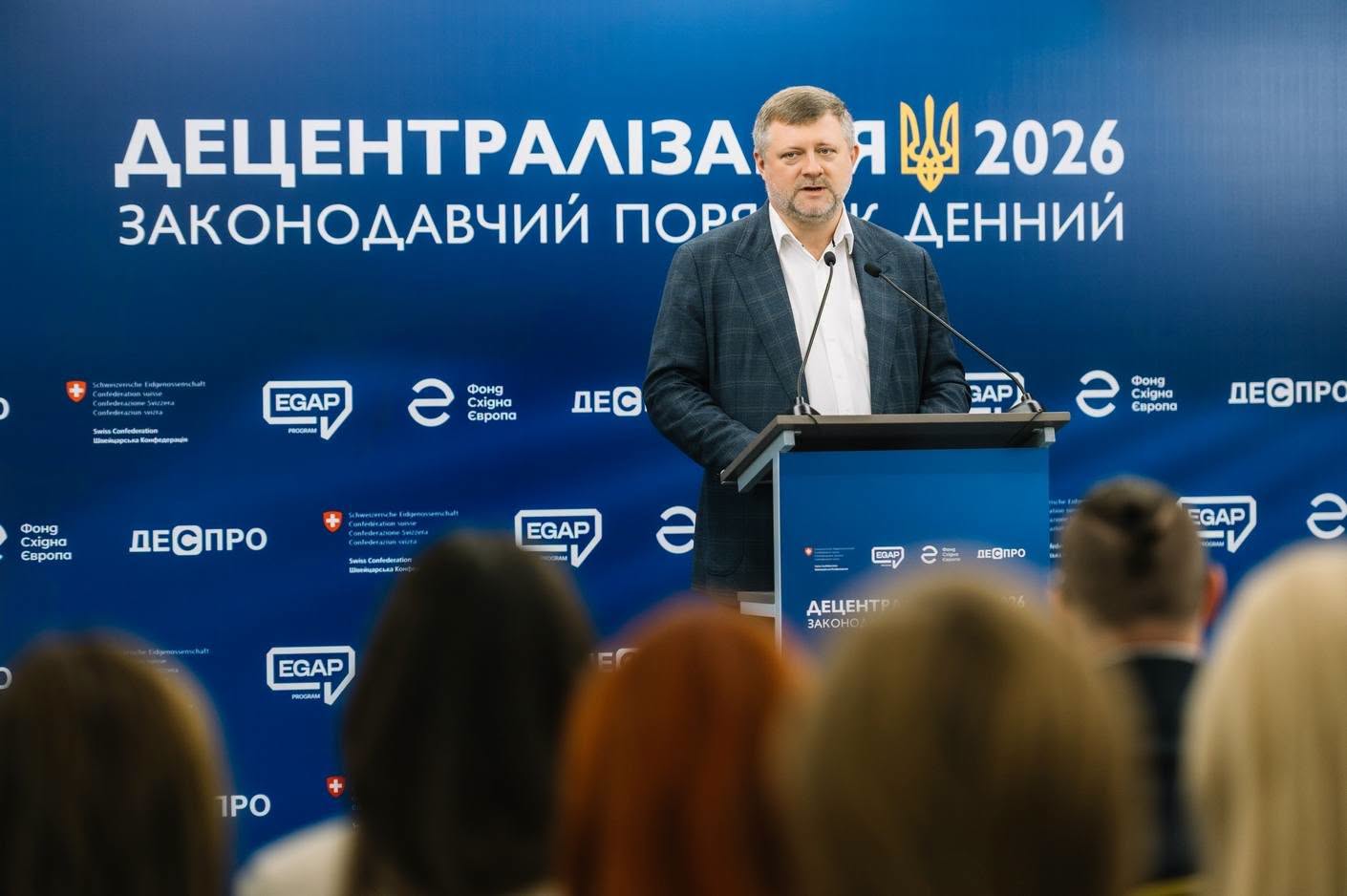
The most immediate legislative issues he cited include the delineation of powers, the restoration of local councils’ authority, a package of measures for frontline territories and internally displaced persons, as well as budgetary matters.
‘The matter of the delineation of powers did not begin yesterday. We are currently engaged in both in-depth discussions with the European Commission and internal discussions on how best to define sectoral powers and enshrine them in law. We understand that this is a draft law from the Ukraine Facility package, and it will be a priority, just like all draft laws through which Ukraine can receive funding.’
Oleksandr Korniienko specifically highlighted the difficulty of achieving a quorum in small local councils: a problem that has become more acute during the war, and the necessity to maintain financial guarantees for communities.
‘My colleagues in the Parliament and I are looking for ways to speed up the resolution of the quorum difficulty in small councils. There is a problem – it needs to be resolved. What remains unchanged is what we say every year: we must retain 64% of personal income tax, we must preserve guarantees for local self-government, and then hold a substantive discussion on the revenue-sharing mechanism and other budgetary mechanisms.’
He stressed that, in the context of a difficult budgetary year, communities need predictability. Additional tasks delegated by the state to local governments should be supported by resources, and communities should be able to plan their expenditure and development.
Oleksandr Korniienko also emphasised the need to seek additional sources of revenue for local budgets – in particular through more equitable taxation rules, resource management, and community participation in the administration of local taxes and levies.
‘Experiments already conducted across the country show that even very small steps yield significant results. If a community starts working closely with the tax authorities, revenue increases. If any of this requires legislative regulation, we will respond and seek appropriate opportunities.’
The First Deputy Chairman of the Verkhovna Rada assured that the Parliament would continue to work with local self-government on legislative initiatives, ranging from budgetary matters to international cooperation, urban planning, housing policy, and administrative fees.
‘The Parliament will, as it has done for the past seven years, work with local self-government. We are always in contact; the profile committee, the leaders of the parliamentary groups and factions are all involved. Draft laws relating to local initiatives have to be implemented. Everything can be discussed and everything can be worked on.’
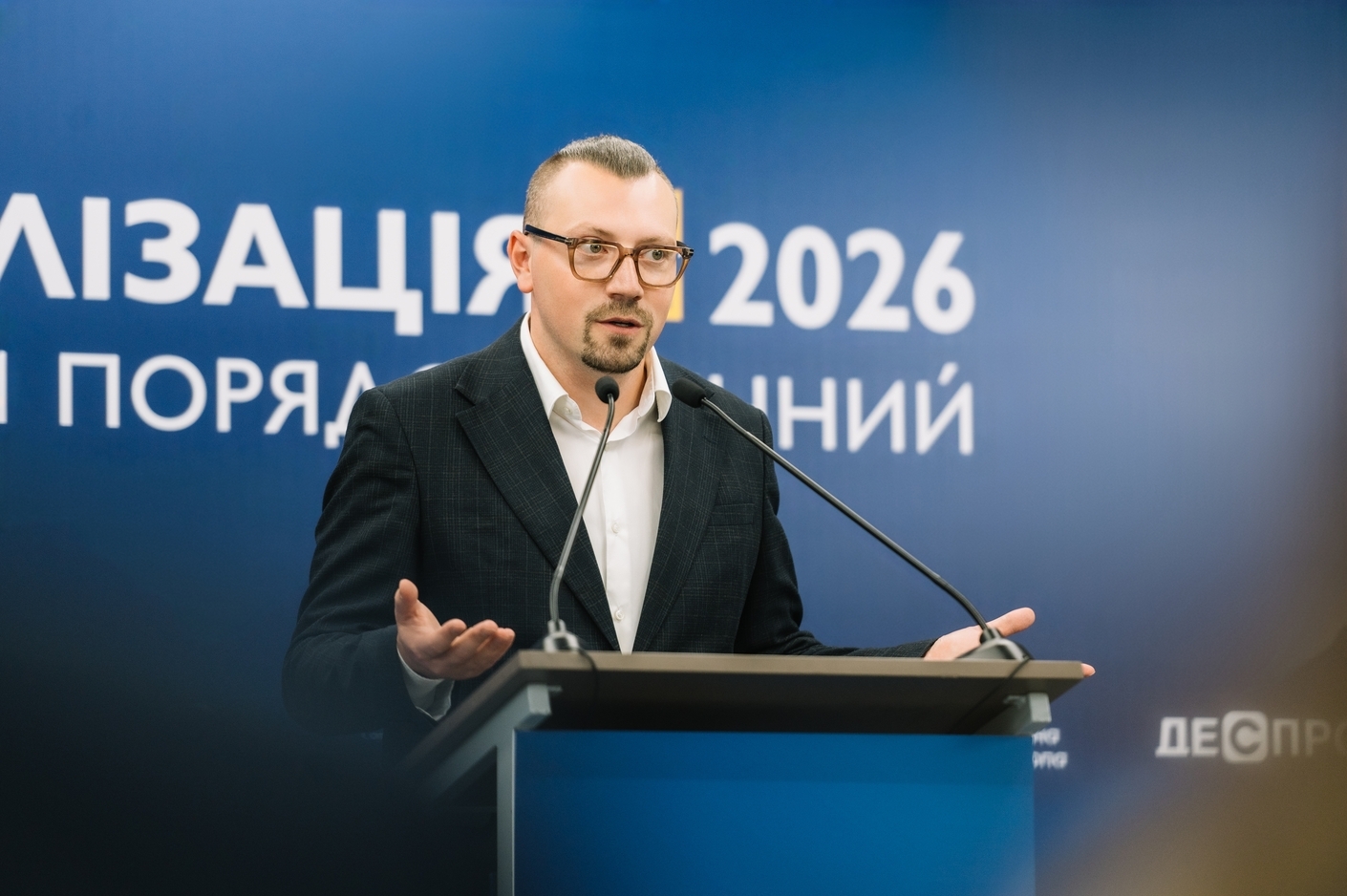
Vitalii Bezgin, Minister for Communities, Territories and Internally Displaced Persons of Ukraine, identified the completion of the legislative delineation of powers as one of the main unfinished tasks of the reform. In his view, this matter is important not only for European integration, but primarily for the ability of the state to act quickly and decisively in crisis situations.
‘If we consider the strategic aspect, almost everything has been done over the past 12 years. The only remaining task is the delineation of powers at the level of the law and, consequently, amendments to the Budget Code. This is not just about European integration; it is about common sense.’
He mentioned the example of the aftermath of the russian attack on Dmytrivka community. According to him, when addressing such situations, the importance of having clear algorithms for coordination between the State Emergency Service, the regional military administration, and the community is particularly evident.
‘This is a practical case study about people’s lives, about evacuation and similar matters, where the lack of clear delineation demonstrates the practical problems that citizens face. When we talk about the strategic framework for decentralisation and what can be regulated at the legislative level, this is our obligation to the reform that remains unfulfilled.’
The Ministry identifies the following specific priorities: updating state regional policy in line with the EU cohesion policy; reforming the State Fund of Regional Development; implementing systemic solutions for frontline territories; and maintaining the operational capacity of local governments and military administrations during martial law.
‘When we talk about frontline territories, we do not merely have a list of territories of active or potential hostilities set out in orders. We do not have a systematic support package. We therefore need to stabilise the situation and ensure that practical solutions work.’
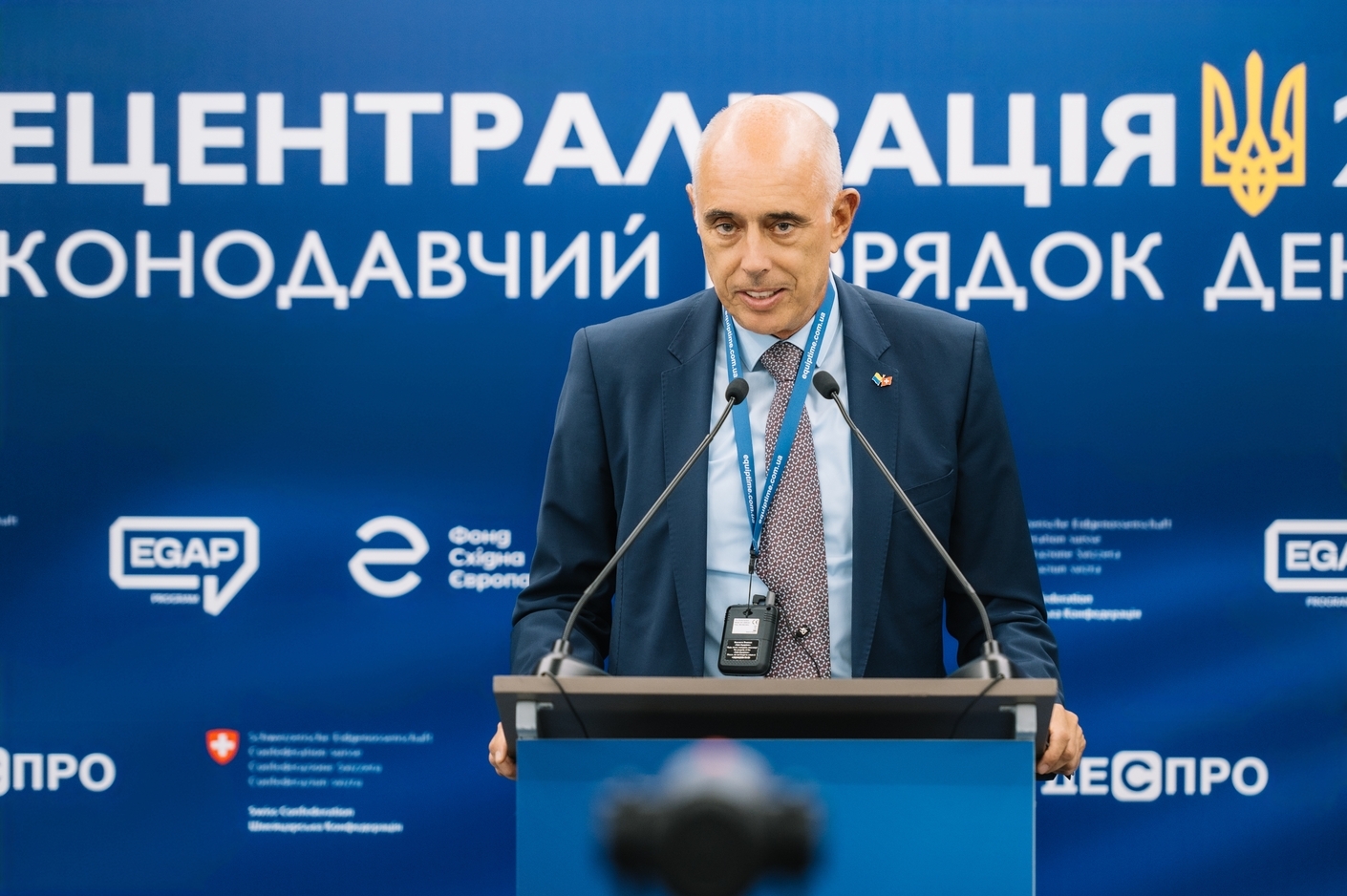
Jean-Luc Bernasconi, Head of Cooperation at the Swiss Embassy in Ukraine, recalled that Switzerland has been supporting decentralisation in Ukraine since 2007. He emphasised that the essence of decentralisation lies not in the mechanical transfer of functions, but in the application of the principle of subsidiarity.
‘The key idea is subsidiarity. This involves the delineation of power and responsibilities so that they are exercised properly. The most appropriate level may be local, regional, or central (national). There is no single, infallible solution here.’
He also emphasised that the adoption of the law is only part of the process: its effective implementation is no less important. Switzerland, in his words, will continue to support Ukraine in identifying and implementing such solutions.
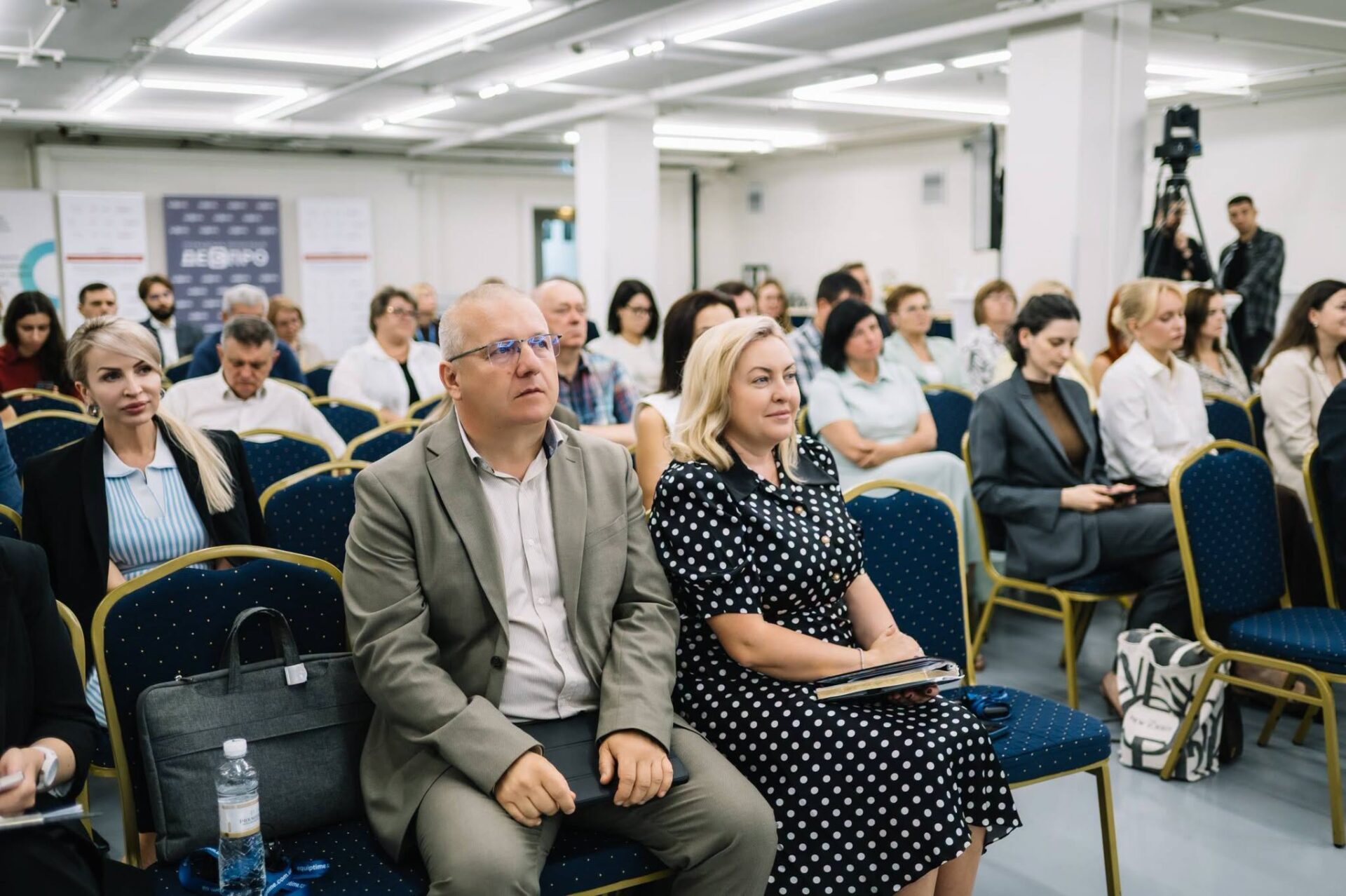
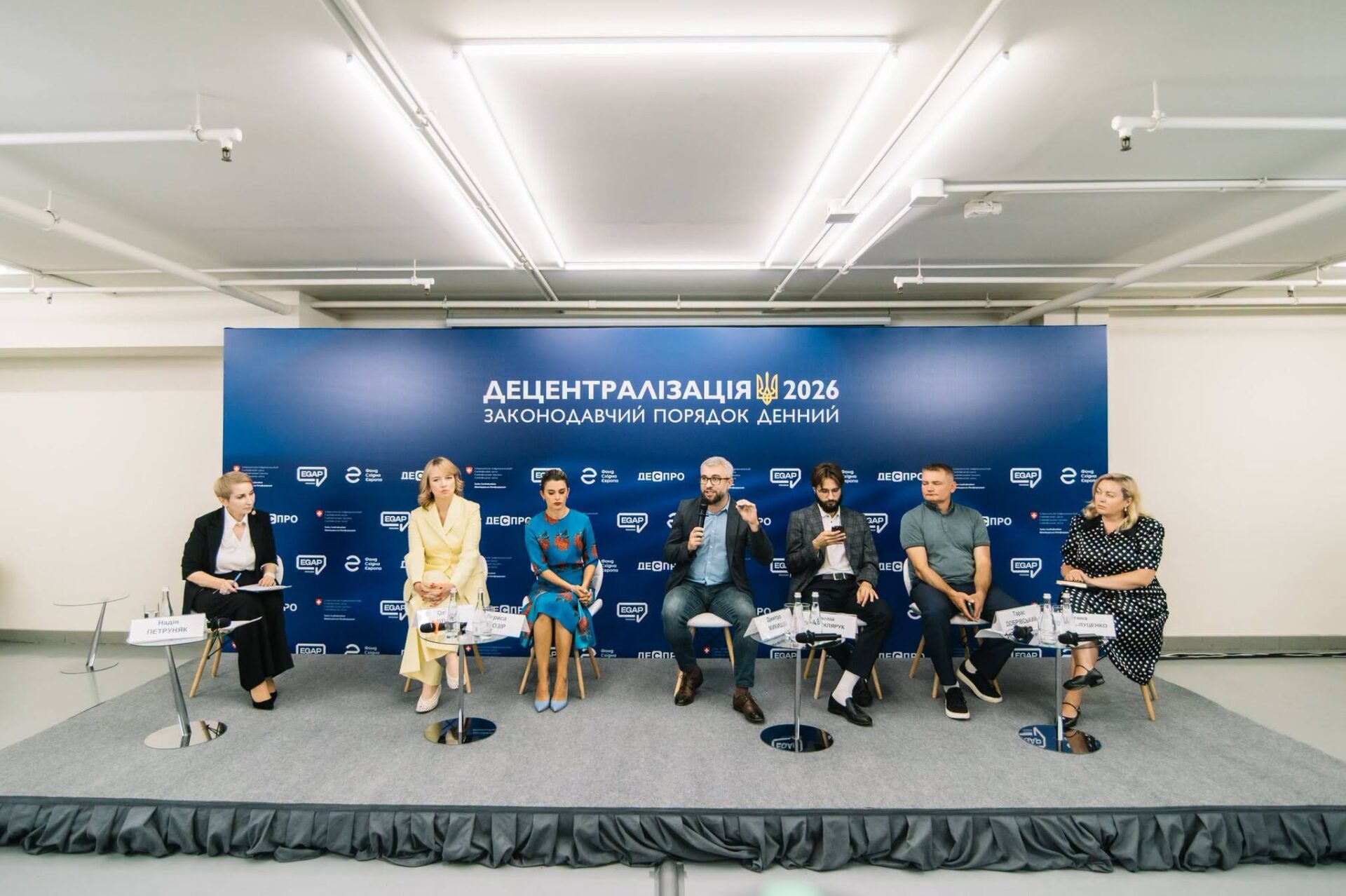

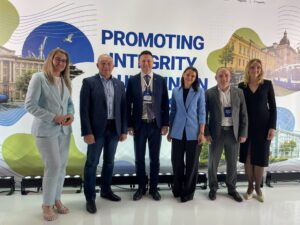
The forum was organized by NGO DESPRO with the assistance of EGAP Program, which is implemented by Eastern Europe Foundation with the support of Switzerland.