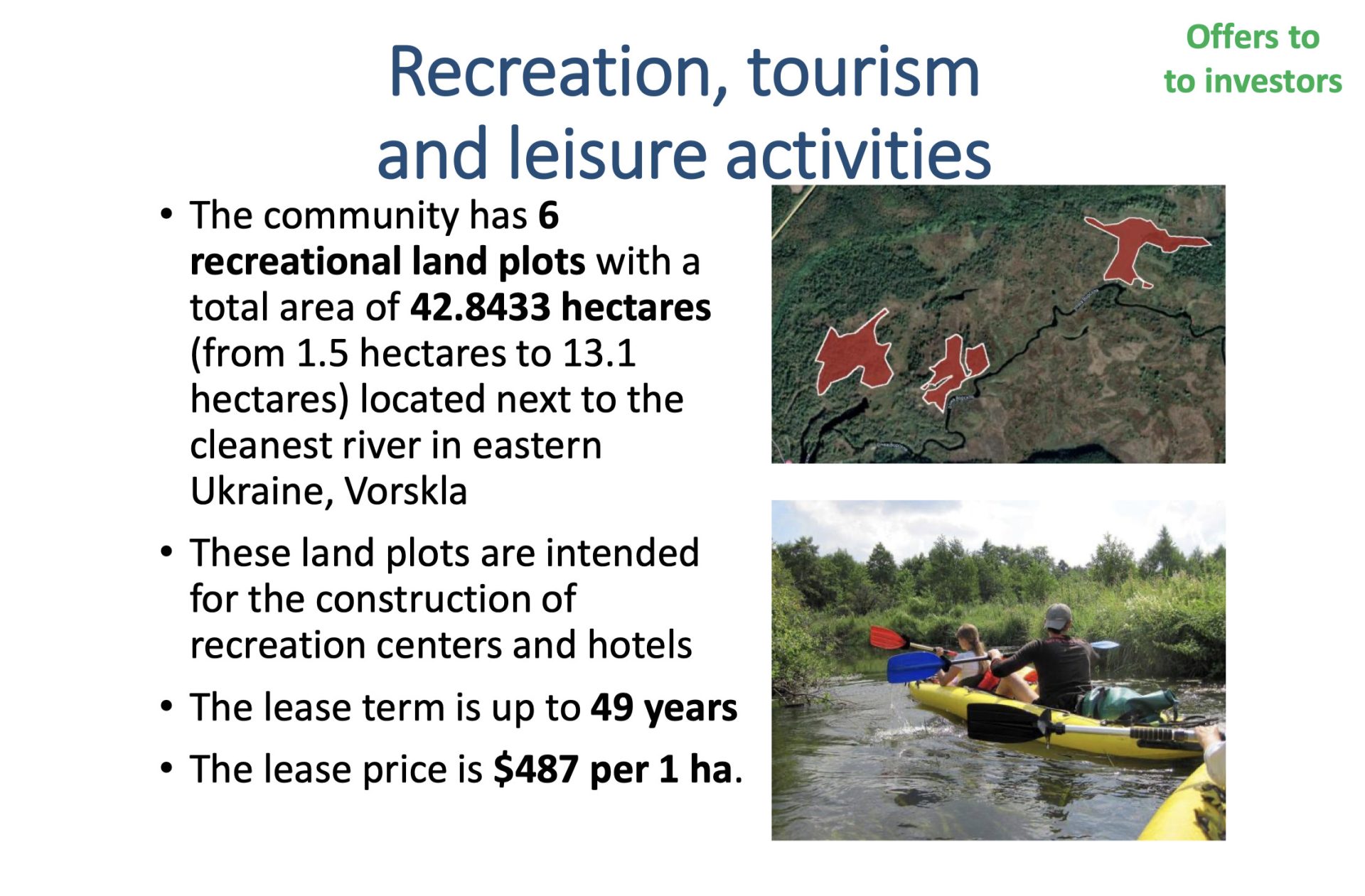
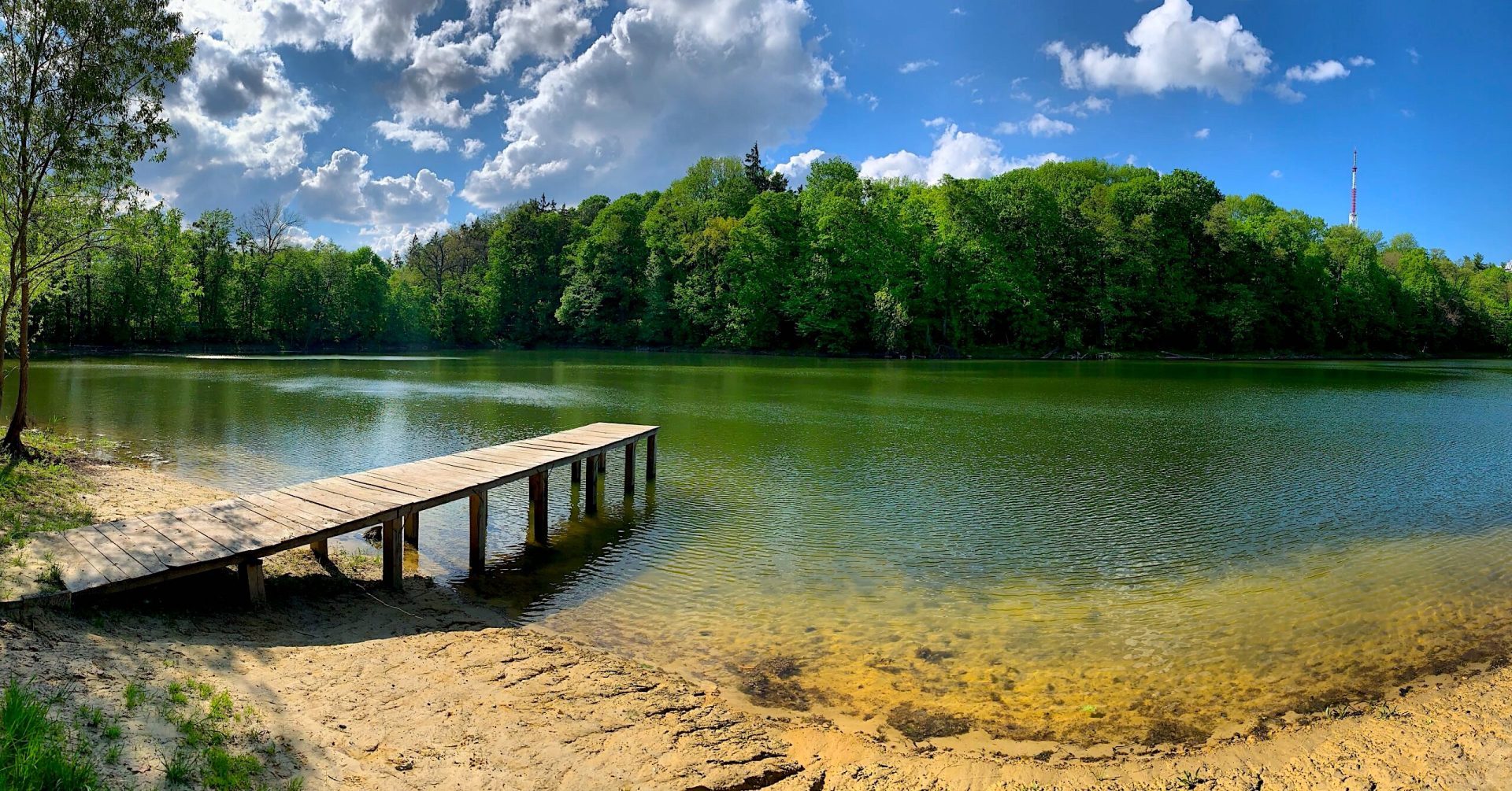
Trostyanets city hromada has 6 recreational land plots with a total area of 42.8433 hectares (from 1.5 to 13.1 hectares), located near the cleanest river in Eastern Ukraine – Vorskla. The plots are intended for the construction of recreation centers and hotels.
Recreation & Tourism
- 6 land plots totaling 42.8 hectares (1.5–13.1 ha) along the clean Vorskla River.
- Intended for recreation centers and hotels.
- Lease term: up to 49 years.
- Annual rent: $487 per hectare.
Active “green tourism” can be hiking, river rafting, cycling routes, horse crossings. This most often involves cooking on a campfire and spending the night in a tent, although there are routes with equipped parking lots.
To develop “green” tourism in the Trostyanets community, the formation of a tourist space of high attractiveness is initiated by developing and implementing a competitive tourist product based on existing tourist and recreational resources, land plots are identified for the creation of appropriate tourist infrastructure, including for the construction of hotels, motels, amusement parks with the involvement of investment projects.
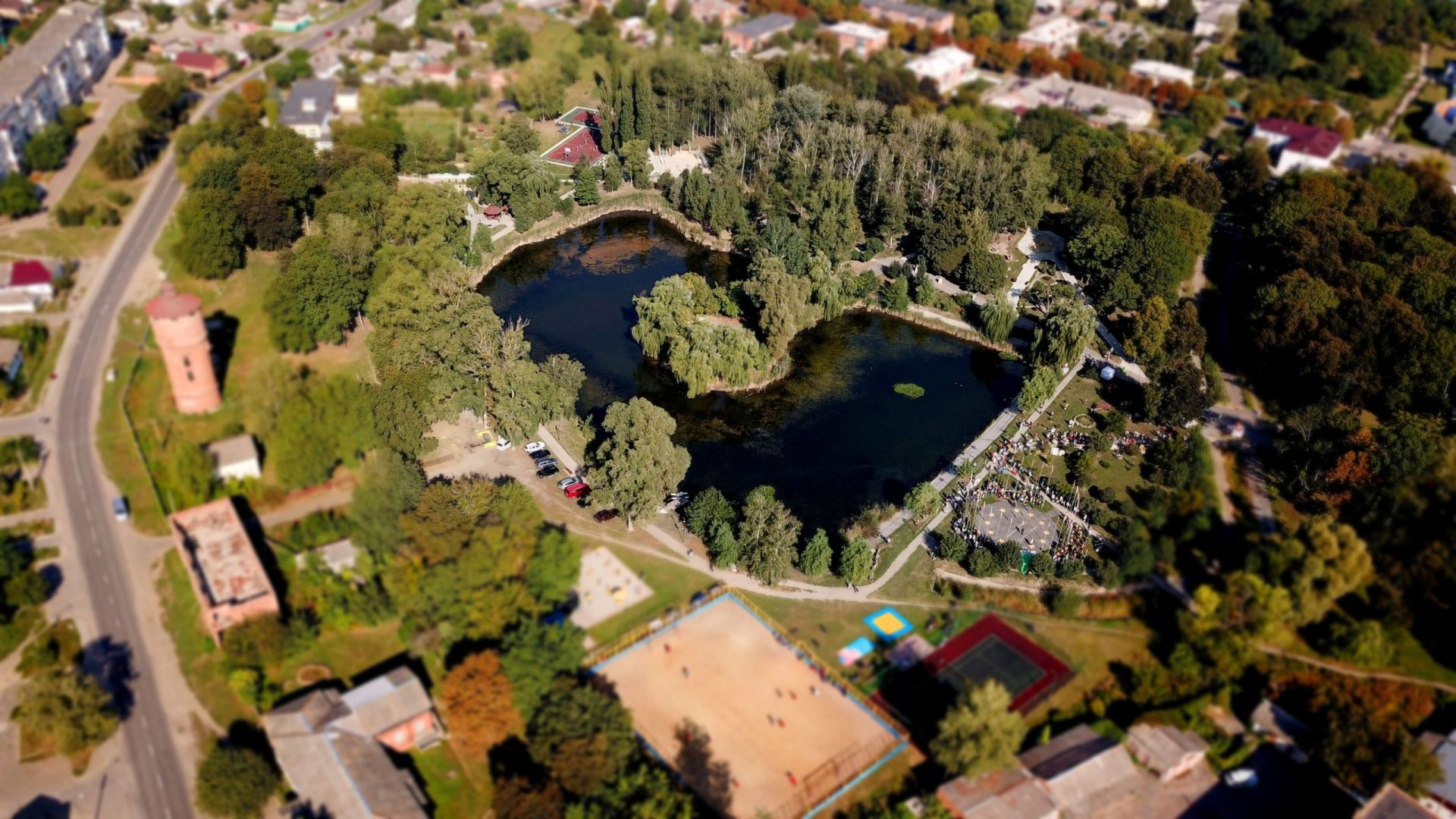
One of such activities was the development of a project for the development of the P.I. Tchaikovsky Park. The concept of the park’s development is based not only on improving its landscaping, but also on creating additional attractions, places for recreation and sports, and architecturally interesting corners.
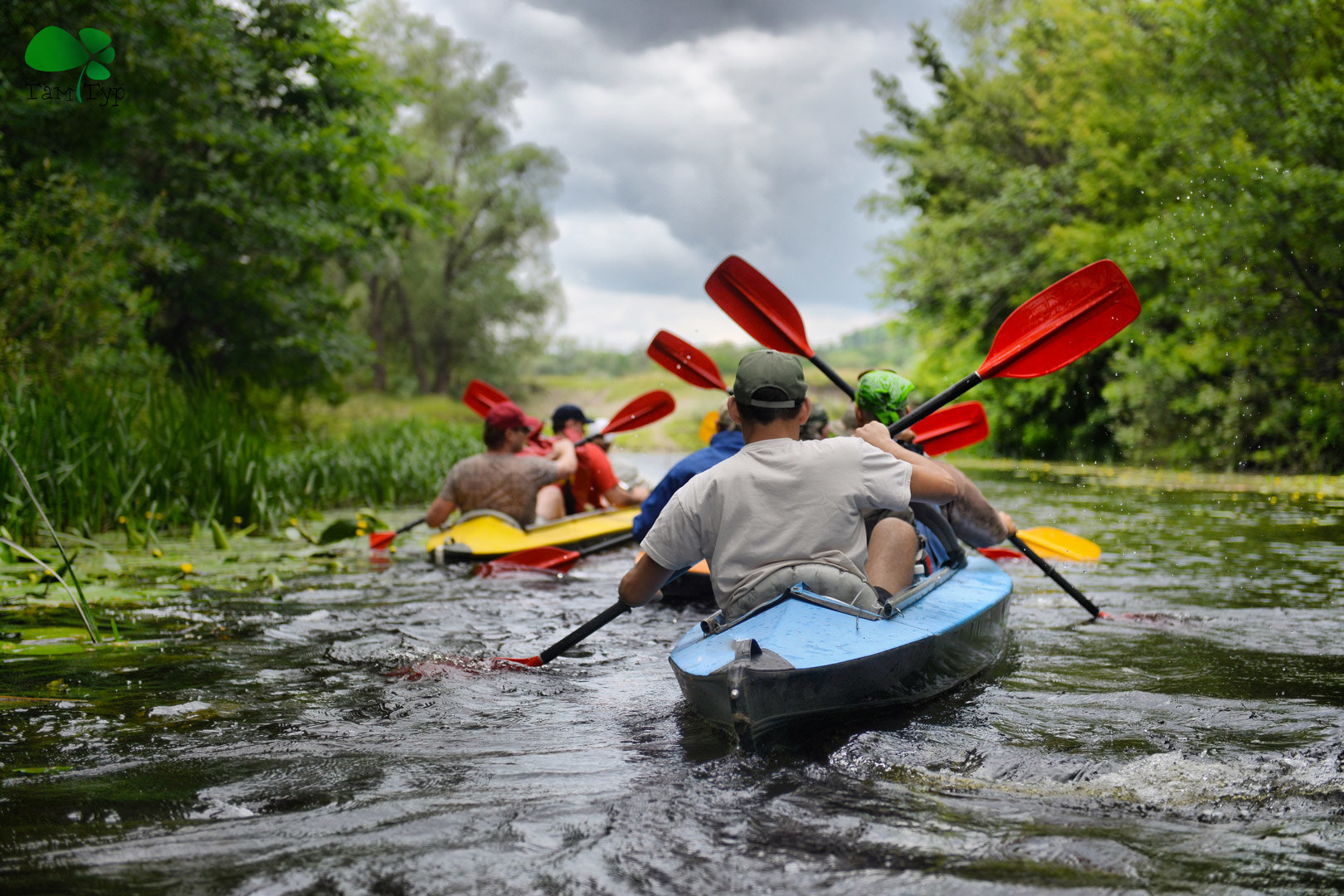
The cleanest river in Ukraine, the Vorskla, flows through the community, so in 2020 a new type of tourist service was launched – kayaking and four routes were developed through the territory of the Hetman National Park:
- Zarichne – Klimentov – 10 km
- Kamyanka – Klimentov – 20 km
- Kamyanka – Chernechchyna – 40 km
- Kamyanka – Buimerivka – 45 km
Before war, in 2021, 311 people used this type of service, 25 three-seater kayaks and 118 two-seater kayaks were rented. One-day and two-day rafting trips were organized.
Work is underway to update information and promotional materials for all architectural and tourist attractions of the community. A bicycle route through the Neskuchne arboretum has been developed. A tourist website travel.trostyanets.com has been created, by visiting which everyone will be able to find the necessary information for themselves.
In 2022, in order to use the estate complex as a whole, it is planned to begin the reconstruction of the Krugly Dvir fortress and the L.E. Koenig estate and to carry out repairs and arrangement of the basement of this building.
Also, taking into account the increase in cultural and artistic events and the increase in tourist attractions in 2022, the assortment list of souvenir products should be expanded and the production of information and promotional materials about the Trostyanets community should increase.
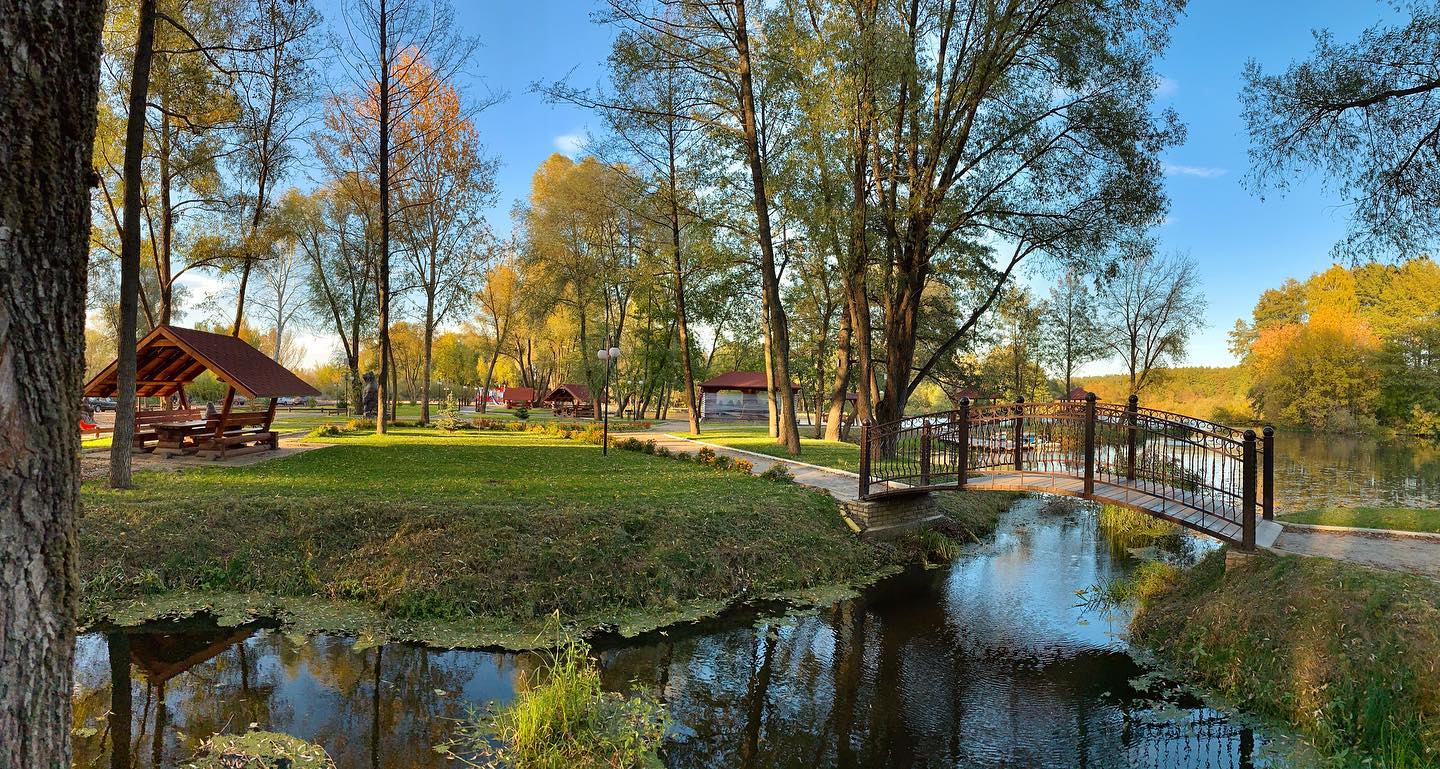
Currently, a tourism development program has been developed for 2019-2023, taking into account new facilities and territories that have been transferred to the Trostyanets city hromada. After all, Zarichne, Kamiansky and other starostyn districts have a wonderful recreation area on the banks of the Vorskla River.
“Green tourism” in Trostyanets municipality has every chance of becoming one of the leading directions in the tourism sector of Eastern Ukraine. The Trostyanets-Vorsk National Park and the Scythian mounds, which are a historical monument and are protected by the state, are located on the territory of the village of Zarichne.
All this provides new opportunities for the development of green and rural tourism in the territory of Zarichne and Kamiansky starostynskiy districts.
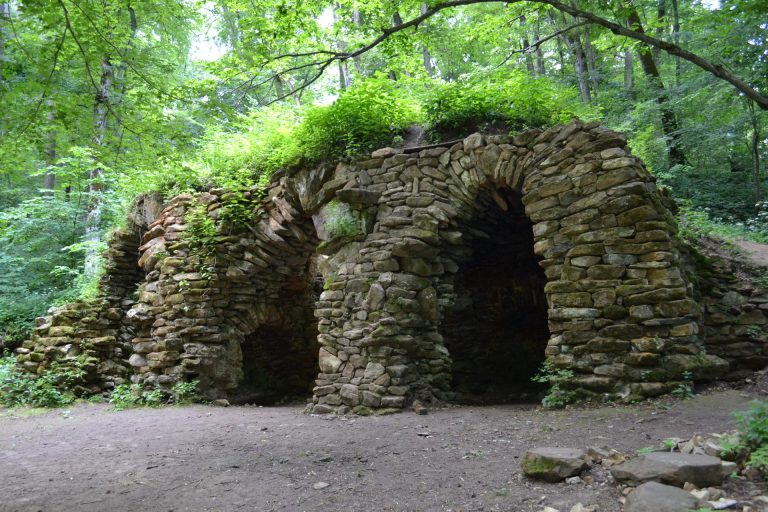
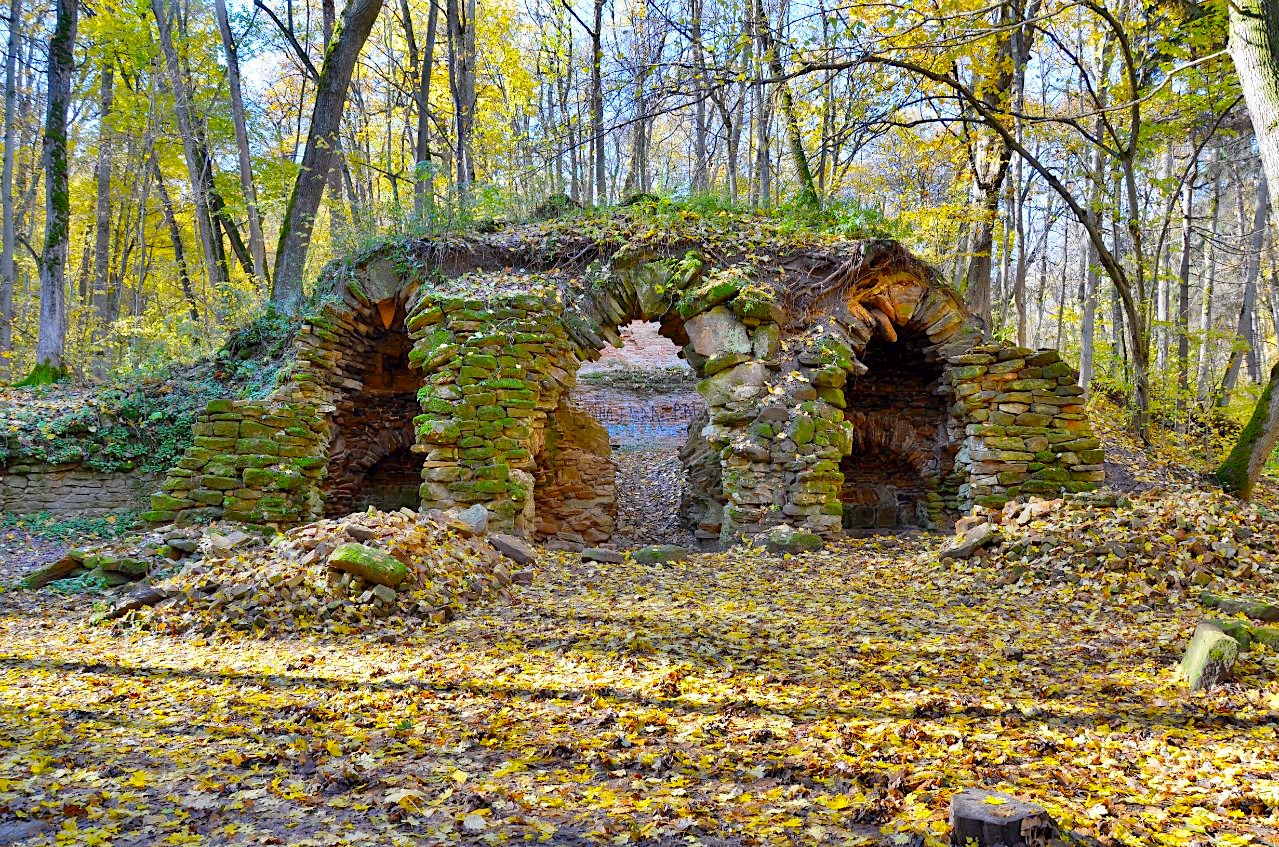
On the outskirts of the city, among ancient trees and not far from a cascade of lakes, the “Nymph Grotto” is hidden. The most mysterious building in our region, shrouded in tales and legends. In the middle of the 19th century, the serf artists of Prince Vasily Golitsyn staged theatrical performances near the grotto. You could get to the grotto by boat from one of the bays of the largest forest lake in the Neskuchny tract. The grotto is made of large blocks of sandstone, the exits of which were still in the ravines and ravines of the Trostyanets district at the beginning of the 20th century.
It is probably unknown when and who built it. The Nymph Grotto is a park structure in the Neskuchny tract. According to some legends, it was built by Alexandra Nadarzhynska (Korsakova) in 1809 for the 100th anniversary of the victory in the Battle of Poltava. According to some recollections, during the time of V.P. Golitsyn, theatrical performances took place here “…and girls dressed as Nymphs and Sylphs danced in the grotto arena, and the forest at that time was well illuminated…”
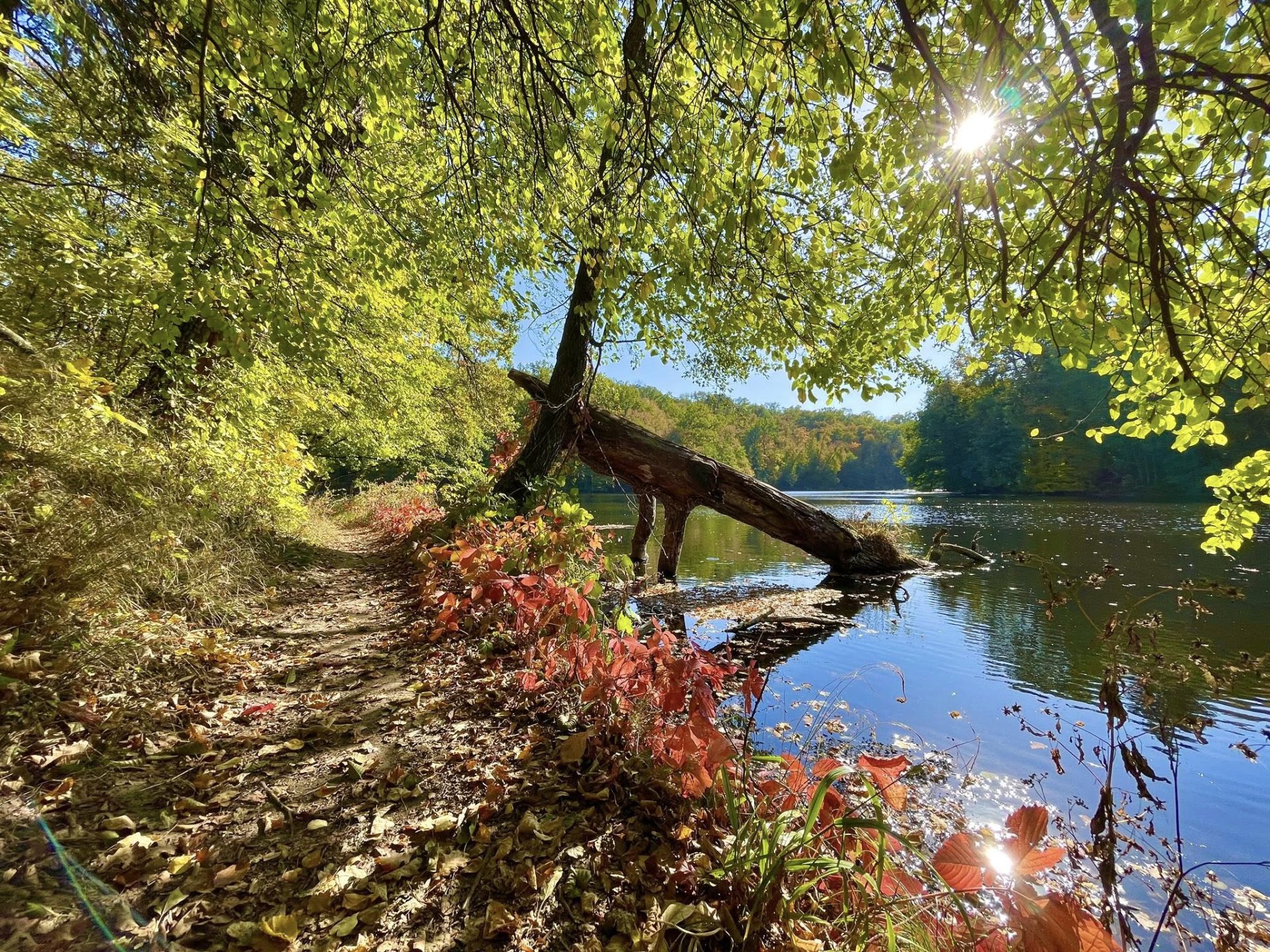
Park-monument of landscape art “Trostyanetsky”. The park, with an area of 253 hectares, is located on the western outskirts of the city and originates in the Neskuchne tract.
More than 100 species of trees grow here: oak, ash, linden, maple, birch, elm species, etc. Closer to the reservoirs, biogroups of pine (black, Austrian, common, Weymouth), spruce and larch are planted. The compositional center of the park is a cascade of three forest reservoirs, which are located in the bed of the Trostyanka River, which flowed through the tract until the beginning of the nineteenth century, and then was dammed by several dams.
Witnesses of those ancient times are mighty 200-year-old oaks, which still tower among the remaining trees of the reserve forest.
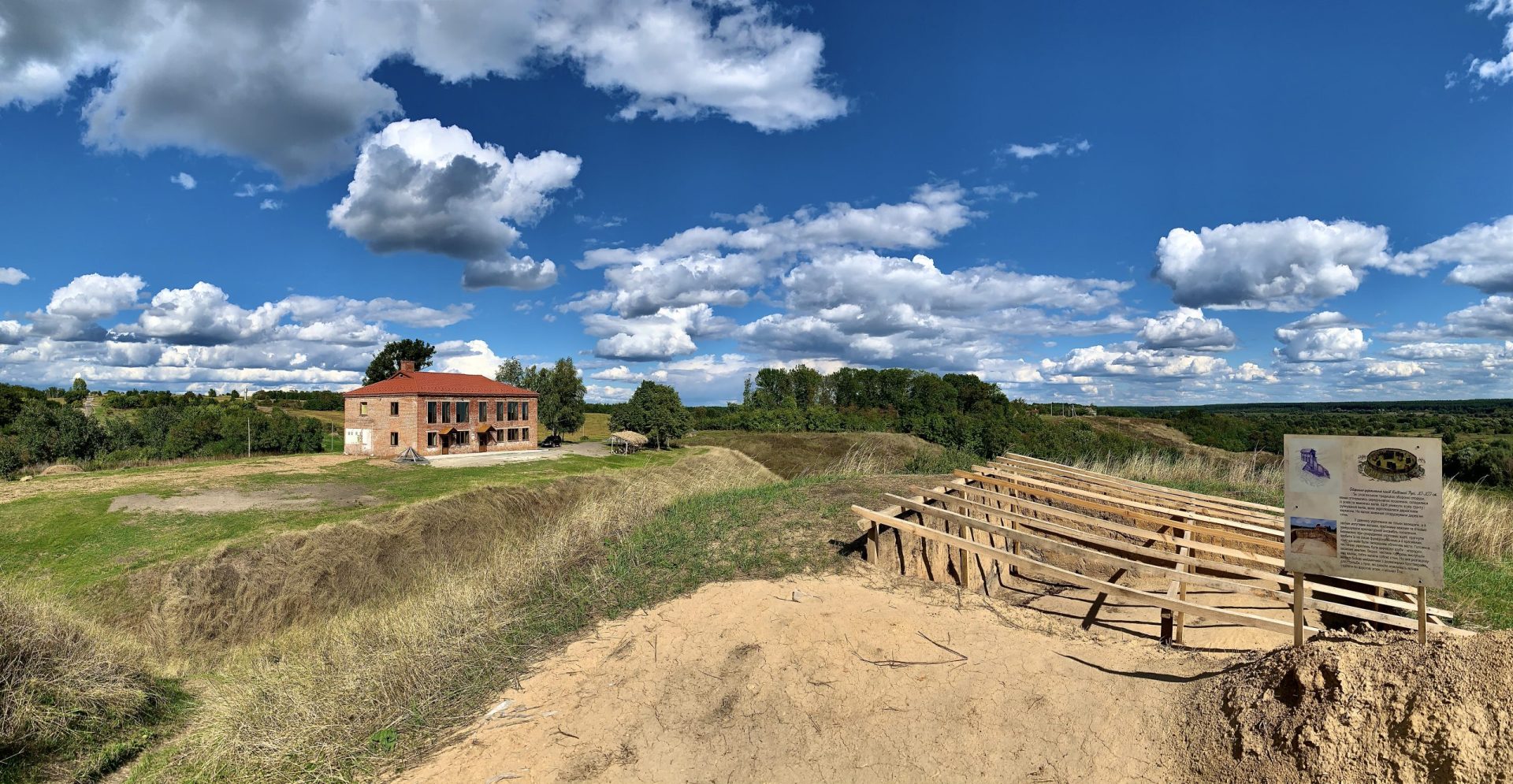
Bogolyubovo is a village located on the right bank of the Vorsla River, 10 km from Trostyanets. It is unique in that 3 large settlements and a burial mound have been preserved on this territory. From the Scythian period to the times of Kievan Rus. It was here in the Middle Ages that the last line of defense against steppe nomadic tribes passed.
Another large-scale festival initiative in 2021 was the historical reconstruction of “Kievan Rus. Battle on the Vorsla River in 1399” – the first “battle” test of a new tourist location in the community in the village of Bogolyubov, which is near Trostianets.
Why here? Because it is here that our warriors have been defending Ukrainian land since ancient times. The mention of this area is described in “The Tale of Igor’s Campaign” and other chronicles. It was here that the Losytskyi fortress stood majestically above the wide Vorskla River, on the banks of which the largest battle in the history of medieval Europe took place – the Battle of the Vorskla in 1399.
Opportunities for accommodation of guests in hotels, boarding houses, tourist camps, agro-settlements
| Institution | Number of beds | Annual occupancy rate, % |
| Subsidiary enterprise “Elegy” of the communal enterprise of the Trostyanets City Council Trostyanets Housing and Operational Department | 86 | 20,5 % |
| Subsidiary company of the Trostyanets Hotel of the Trostyanets City Council municipal enterprise TrostyanetsCommunService | 18 | 36 % |
| Recreation center on the Vorskla River, Sumy region | 9 | seasonal occupancy -100% |
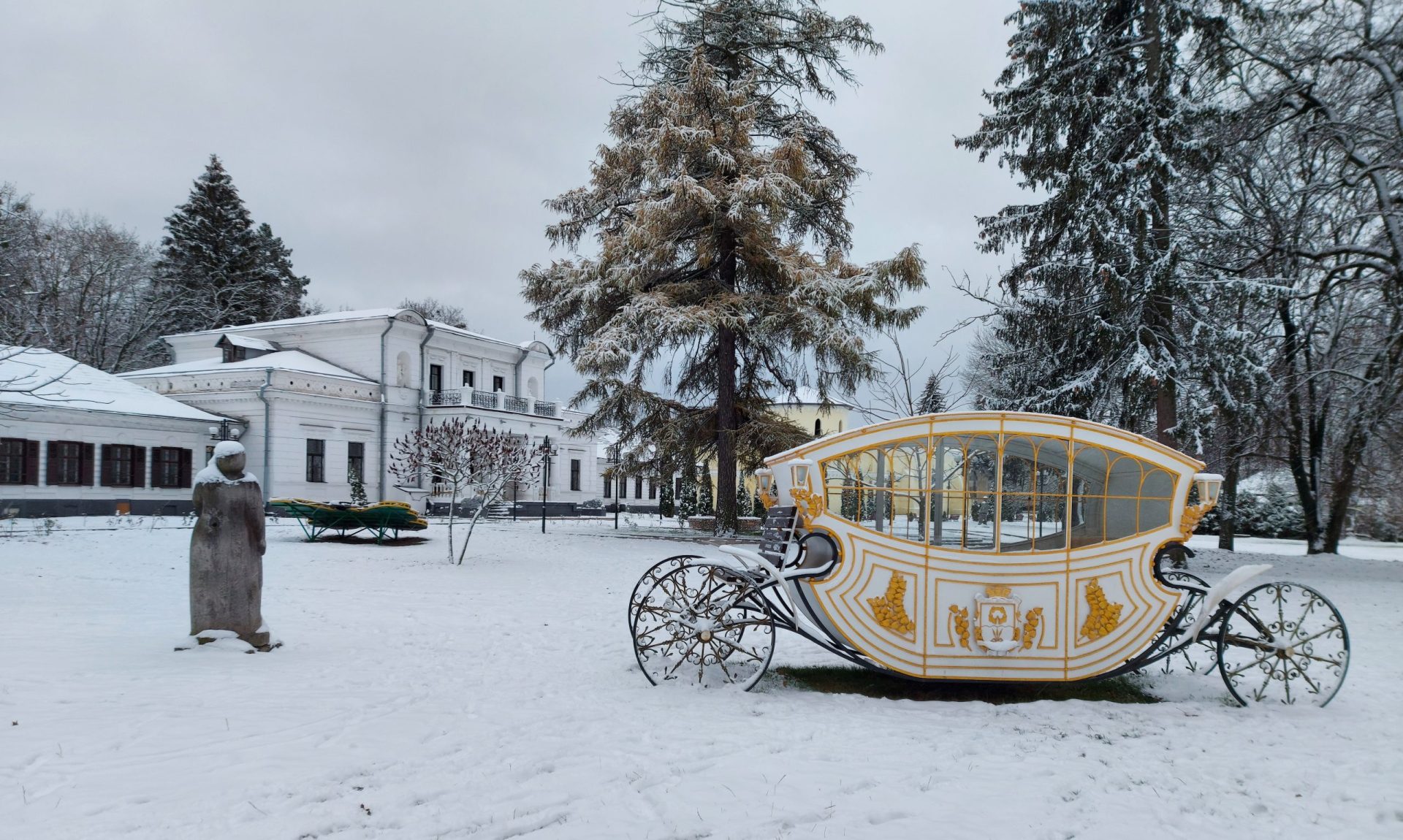
The city of Trostyanets was founded in the second half of the 17th century by the right-bank Cossacks. There is an opinion that this happened after the Cossack defeat by the Poles at Berestechko.
In the 17th and 18th centuries, Trostyanets was a Cossack town, and for a long time it belonged to the Okhtyrsky colonel Ivan Perekhrestov. In 1720, its new owner was the spiritual father of the royal family, Tymofiy Nadarzhynsky.
Today, the municipality is developing updated information and promotional materials on all the architectural and notable monuments of the community.
One of such activities was the development of a project for the development of the P.I. Tchaikovsky Park. The concept of the park’s development is based not only on improving its landscaping, but also on creating additional attractions, places for recreation and sports, and architecturally interesting corners.