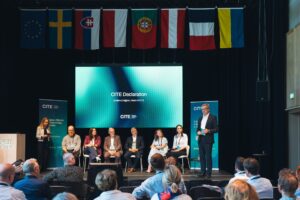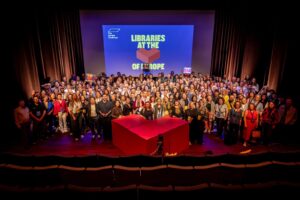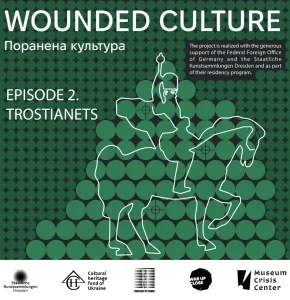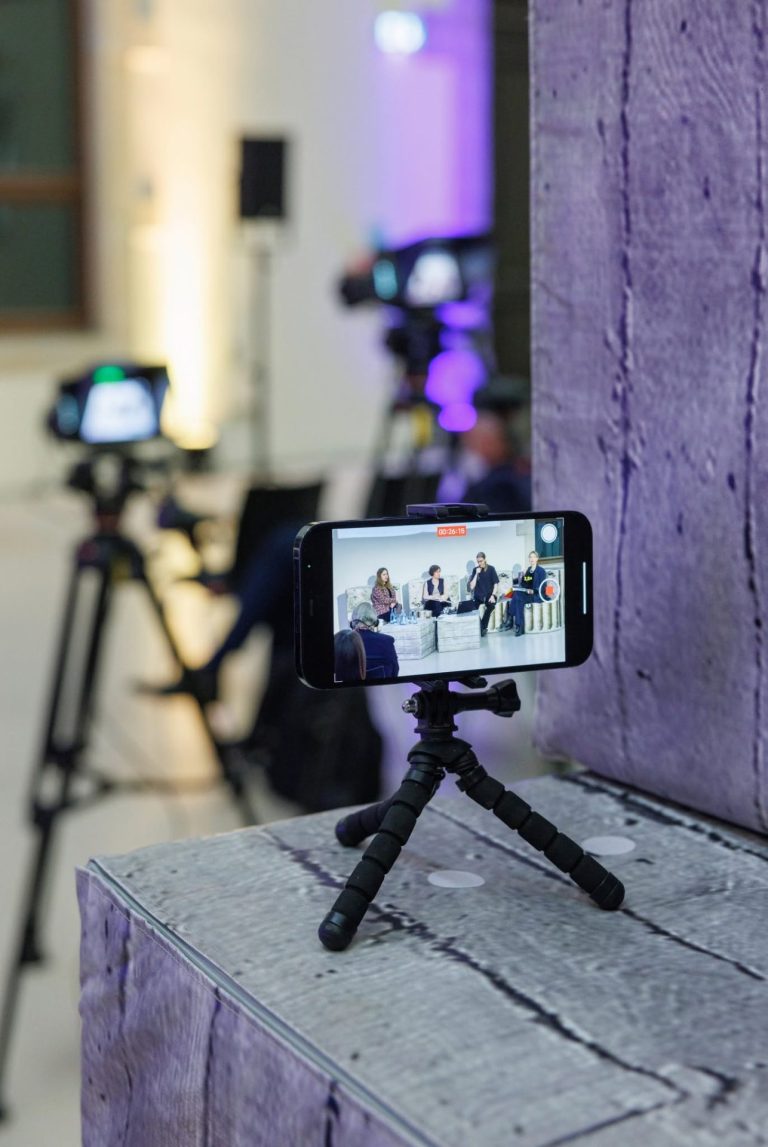
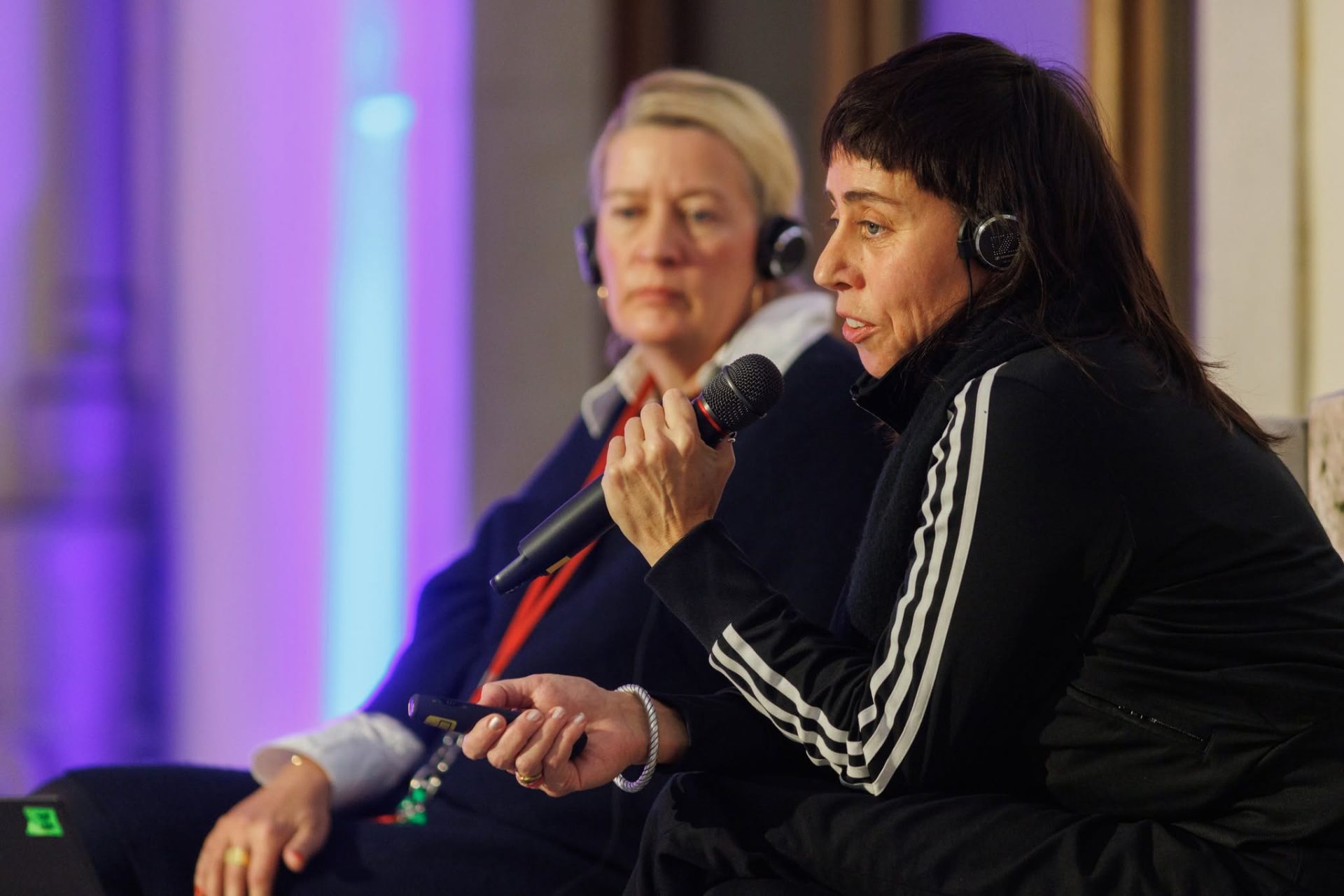
At the end of November 2023, the founder of the Музейний кризовий центр/Museum Crisis Center and co-founder of the Cultural Heritage Foundation of Ukraine, Olha Honchar, presented the project “Wounded Culture. Episode 2. Trostyanets” at the conference of the Platform “Thoughts on the Future”, which is a continuation of the exhibition “Kaleidoscope of Stories. Ukrainian Art 1912-2023” at the Albertinum Museum (Dresden, Germany).
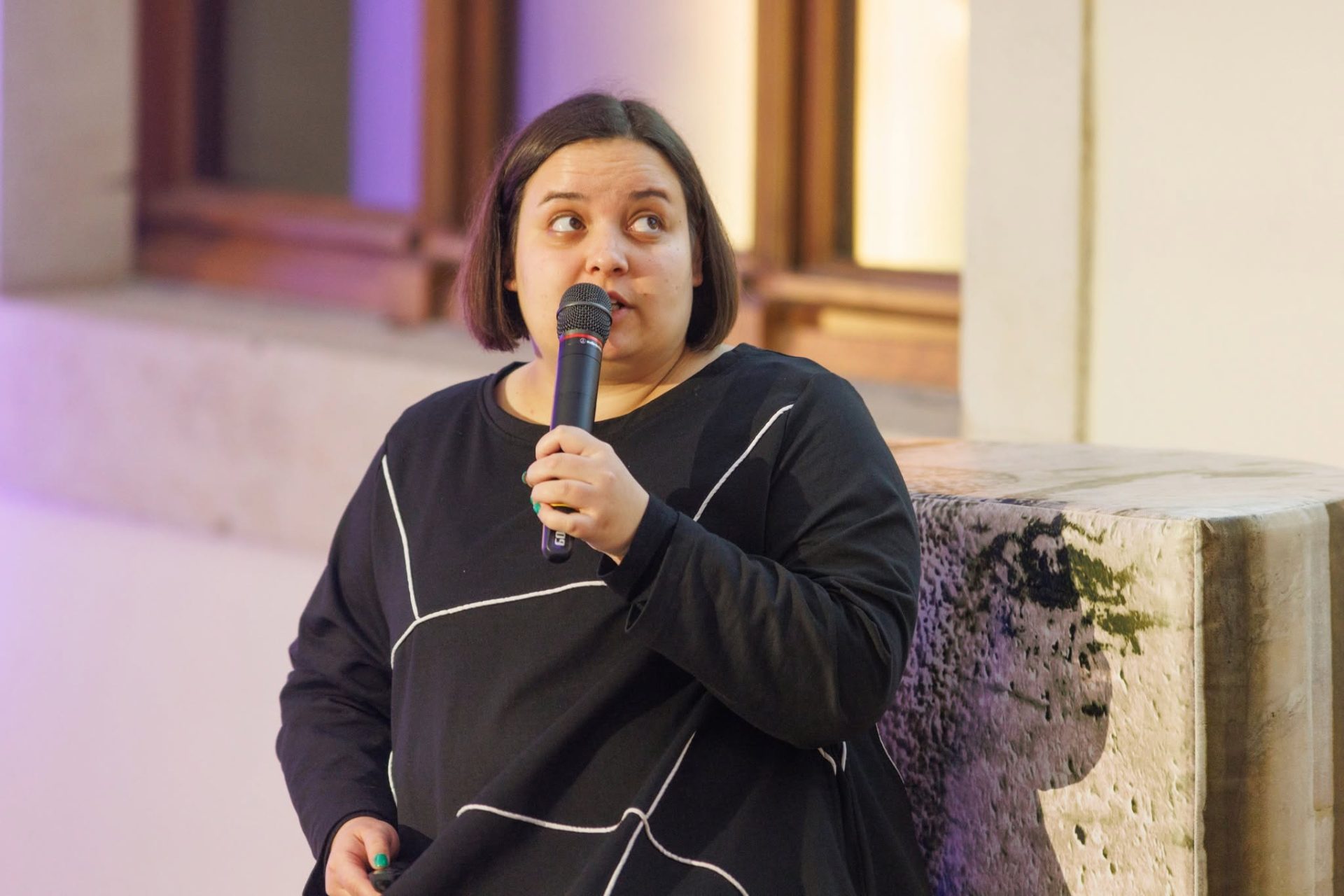
This is the first public publication of the results of the October expedition to the Sumy region, whose cultural institutions were damaged by Russian occupation troops. The exhibition “Kaleidoscope of Stories. Ukrainian Art 1912-2023” took place from May 6 to September 10, 2023 in Dresden at the State Art Collection (SKD) and showed the German public modern and contemporary art of Ukraine, which gives “an idea of Ukraine’s turbulent past and present.”
The curators of the exhibition, Maria Iserlis and Tetiana Kochubinska, decided to continue the exhibition project by holding conferences, discussions, lectures, and publishing publications after the completion of “Kaleidoscope,” and a corresponding program is expected in European institutions for 2024. The participants of the conference are mostly artists and cultural figures whose work was presented and supported within the project. It is important that the artworks of Zhanna Kadyrova and Vlada Ralko were purchased by the Staatliche Kunstsammlungen Dresden, so Ukrainian art is now represented in the collection of the German museum.
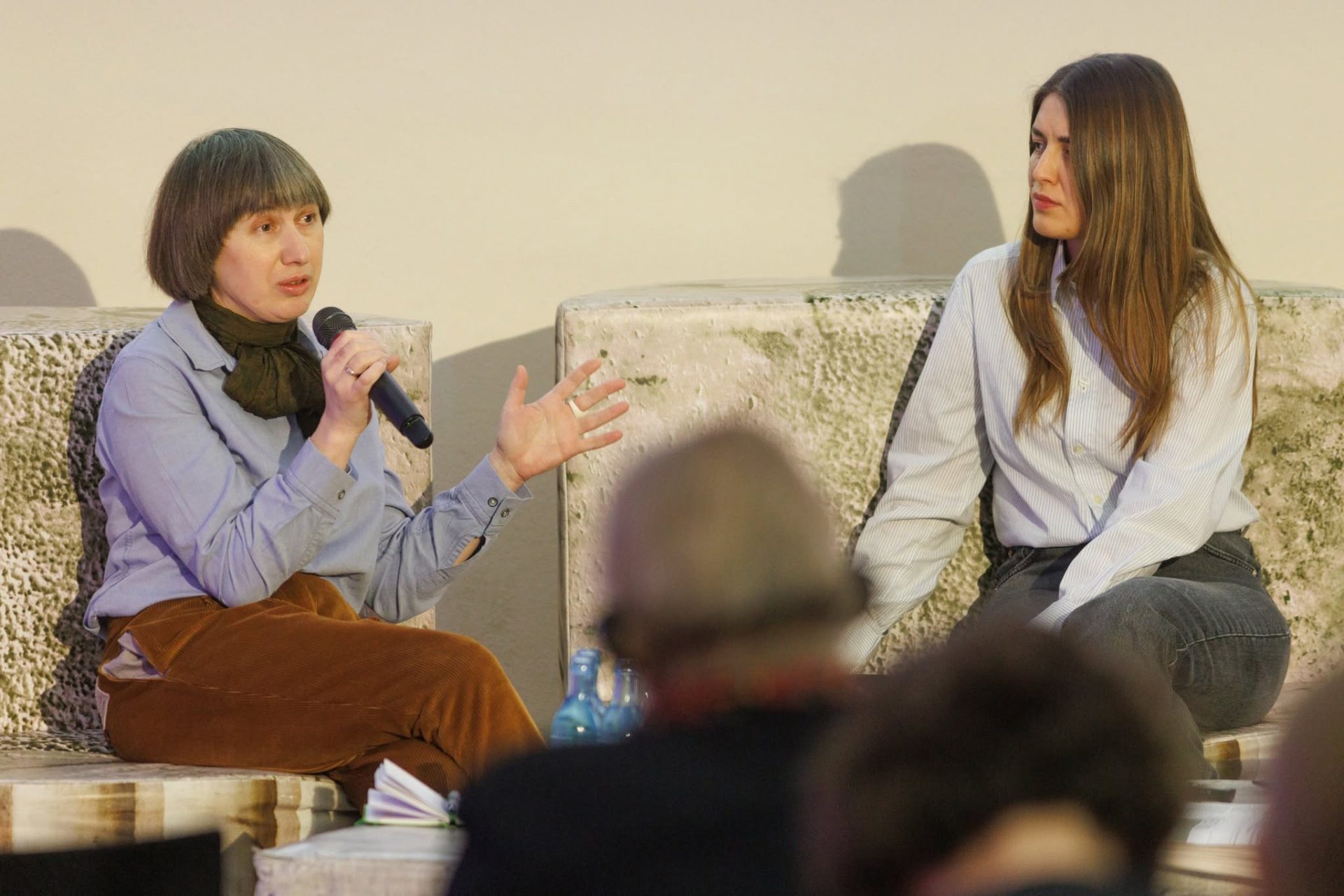
The first episode of the project was filmed in December 2022 (with the support of the Konrad Adenauer Foundation in Ukraine) in the city of Okhtyrka, whose local history museum was destroyed by a Russian bomb on the night of March 8-9, 2022.
This year, stories from Okhtyrka were at the exhibition of Ukrainian modernism 1900-1930 as part of the “Here and Now” cycle at the Ludwig Museum in Cologne (Germany). During this project, the audience got acquainted with the masters of the Ukrainian avant-garde and the works of contemporary Ukrainian artists, trying to rethink the themes of Russian colonization and the formation of Soviet power.
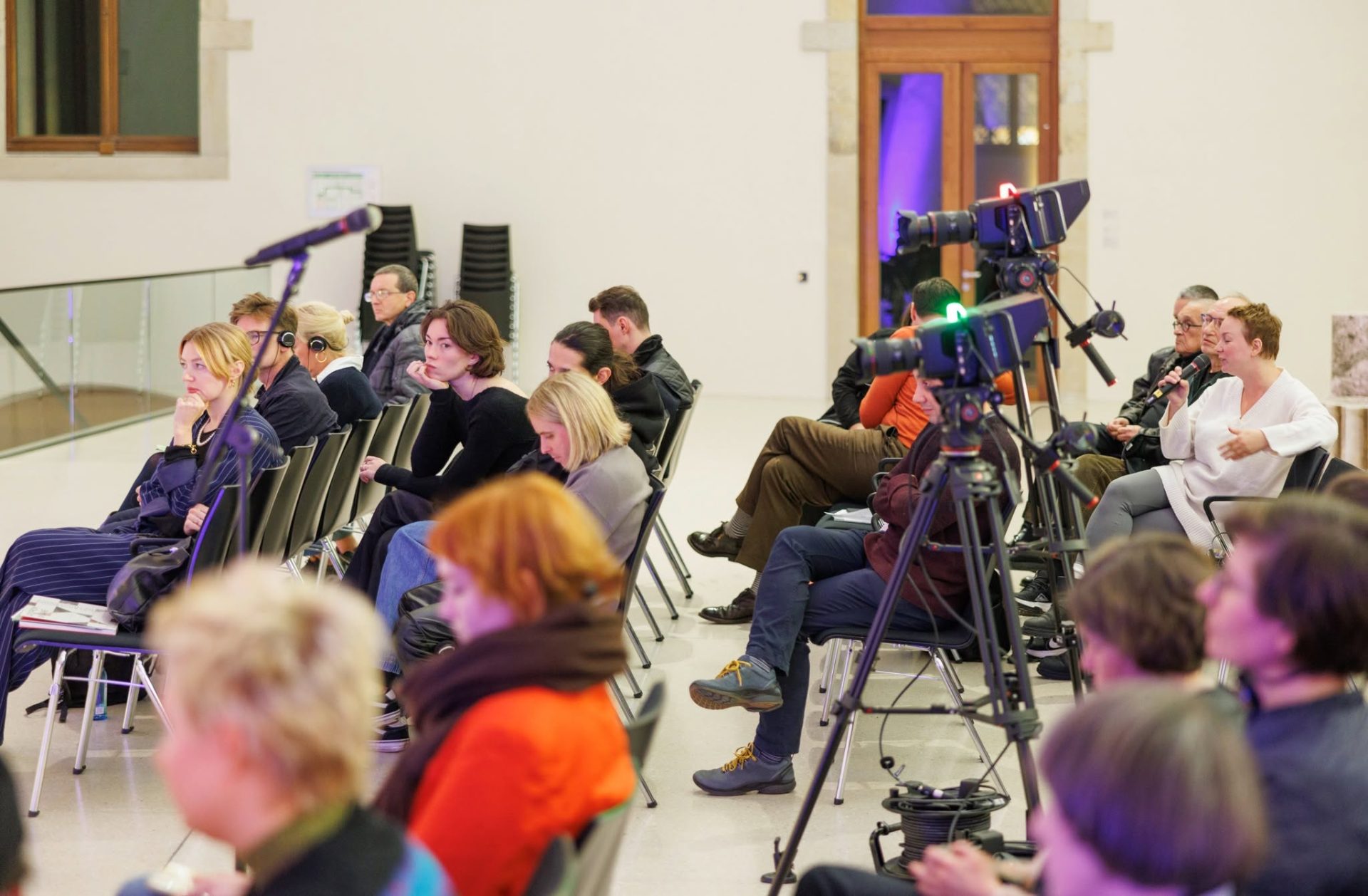
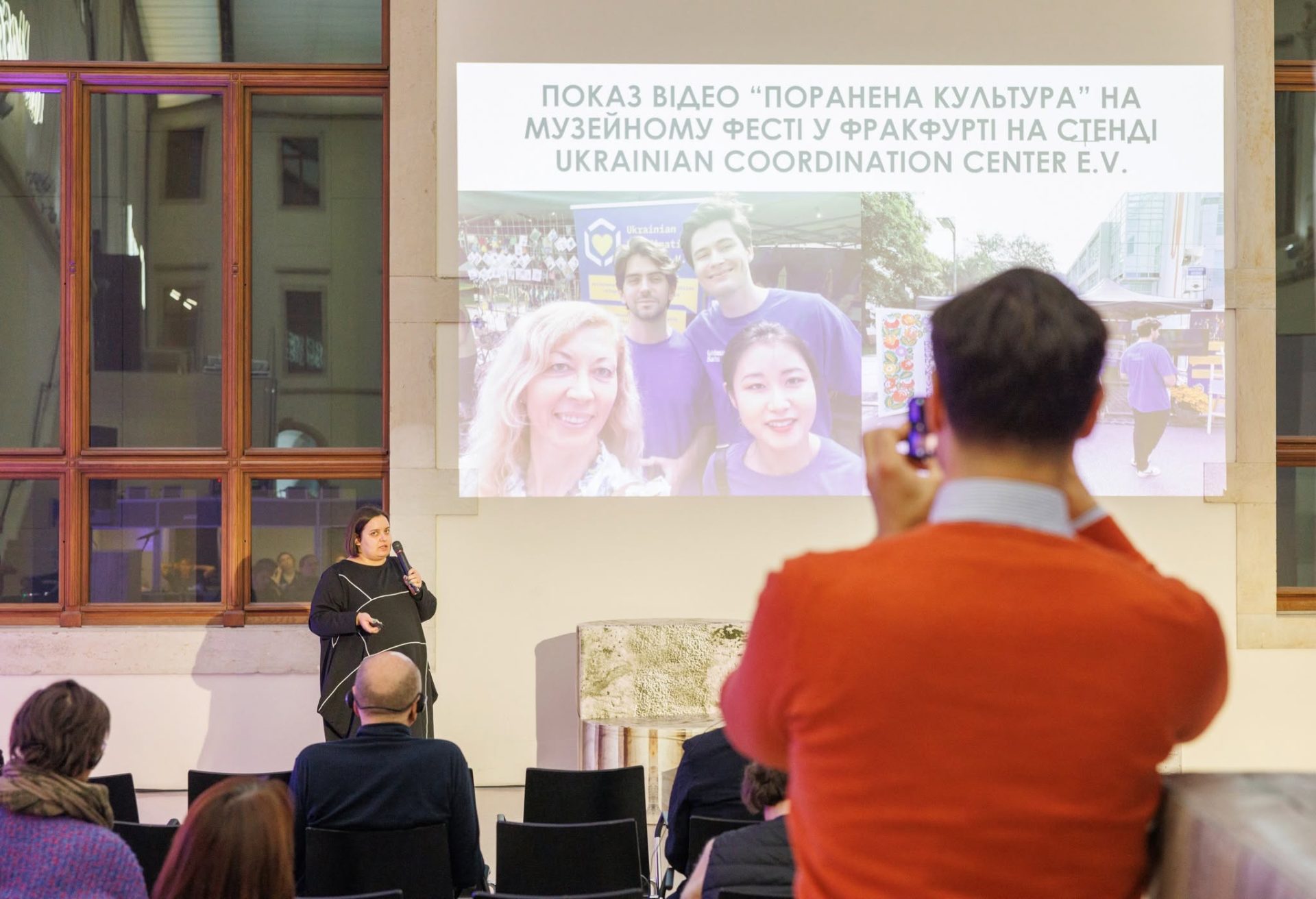
One of the important feedbacks from visitors to the history of the Okhtyrka museum workers was the reflection on the possibility of visiting the museum in general as a benefit of “peaceful” times and cities, which a significant part of Ukrainians is now deprived of. In today’s Okhtyrka, the museum is a symbol of hope and reconstruction of the city, and its team continues to seek resources for the reconstruction of the museum and has adapted the basement of the building for conducting educational projects of the museum and work “here and now”.
A story from Okhtyrka, Museum Director Lyudmila Mishchenko.
A story from Okhtyrka, volunteer Vitaliy Ruban about saving the museum.
Work on the second episode (with the support of SKD) began during the expedition in October 2023 in the city of Trostyanets, Sumy region, 35 km away. from the border with the aggressor country. We planned to document the history of Музейно-виставковий центр “Тростянецький” – Садиба Л.Кеніга,, which survived the shelling during the battles for the city, as well as the occupation. However, during communication with the museum team, it became clear that it was necessary to record the history of the Солдатська сільська бібліотека, which was damaged as a result of shelling by the Russians from March 8 to 9, 2022, but restored by the Ukrainians and reopened in September 2023, the history of the “Round Yard” manor-ringhouse (1749), which was damaged during the battles for the city in the second half of March 2022, as well as on the territory of which Russian military equipment was stationed during the occupation, the history of the Krasnotrostyanets Forest Research Station (1911), which burned down on March 23, 2022 as a result of a fire during active battles for the city, because the Russian occupiers did not allow it to be extinguished and neither firefighters nor civilians were allowed there. In this way, the equipment was irretrievably lost, as well as unique archives, a scientific library and plant samples.
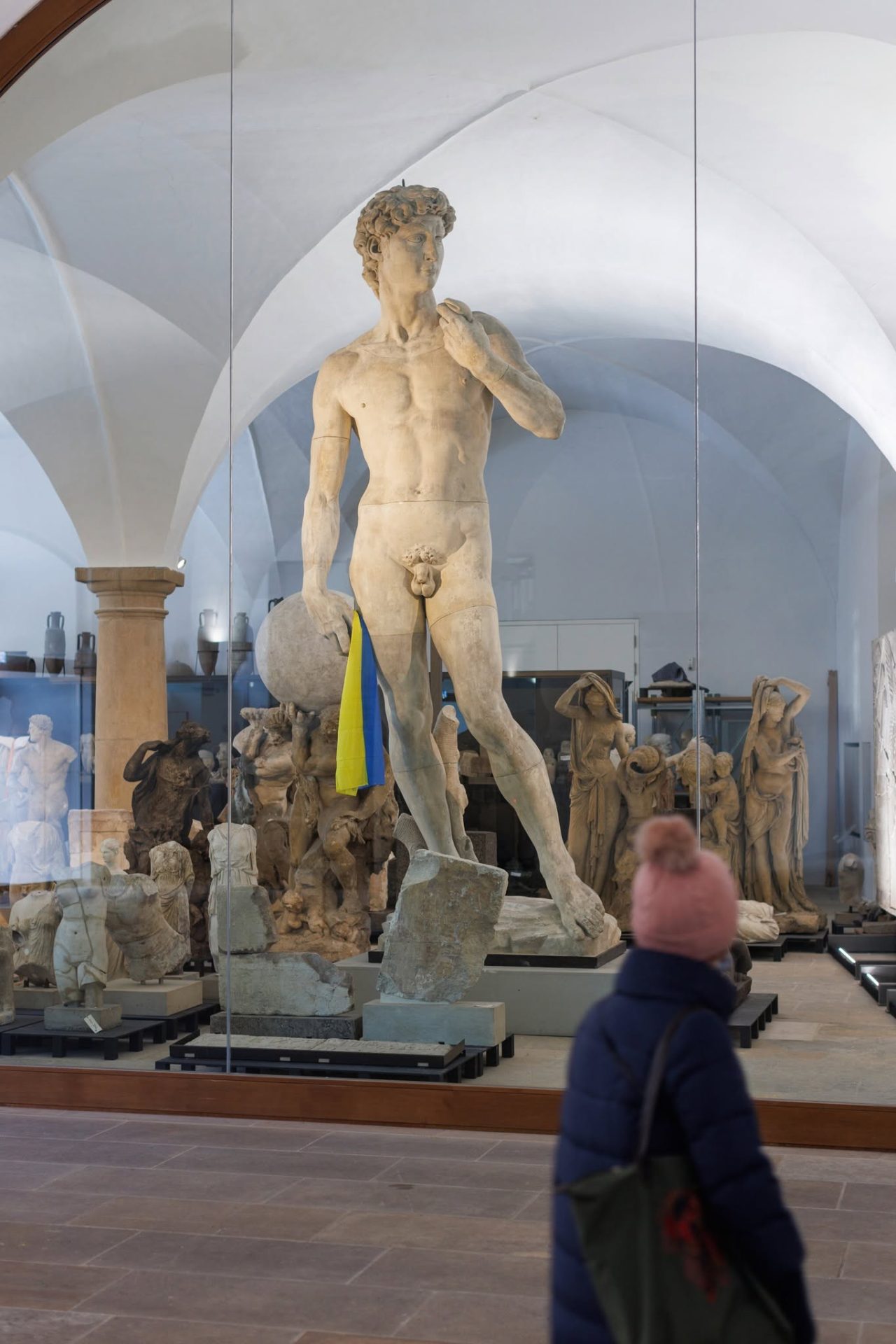
We spent a week in Sumy region and were convinced that despite the terrible history of occupation, as well as the proximity to the Russian border, all this is not an obstacle to work on reconstruction and planning for the future after the liberation of the city. The city council team is actively looking for resources for the restoration of the city outside of Ukraine, and continues to cooperate on reconstruction with the German Koenig family, whose estate (1720) houses a museum.
Most of our materials are at the editing stage, but soon we will present to the public video stories and VR tours of the wounded but unbroken cultural institutions of the Trostyanets community. It is too early to talk about feedback, because the main results of the project are in the active process of creation, but Ukrainian colleagues-artists cried from what they saw. Some could not even watch my presentation to the end.
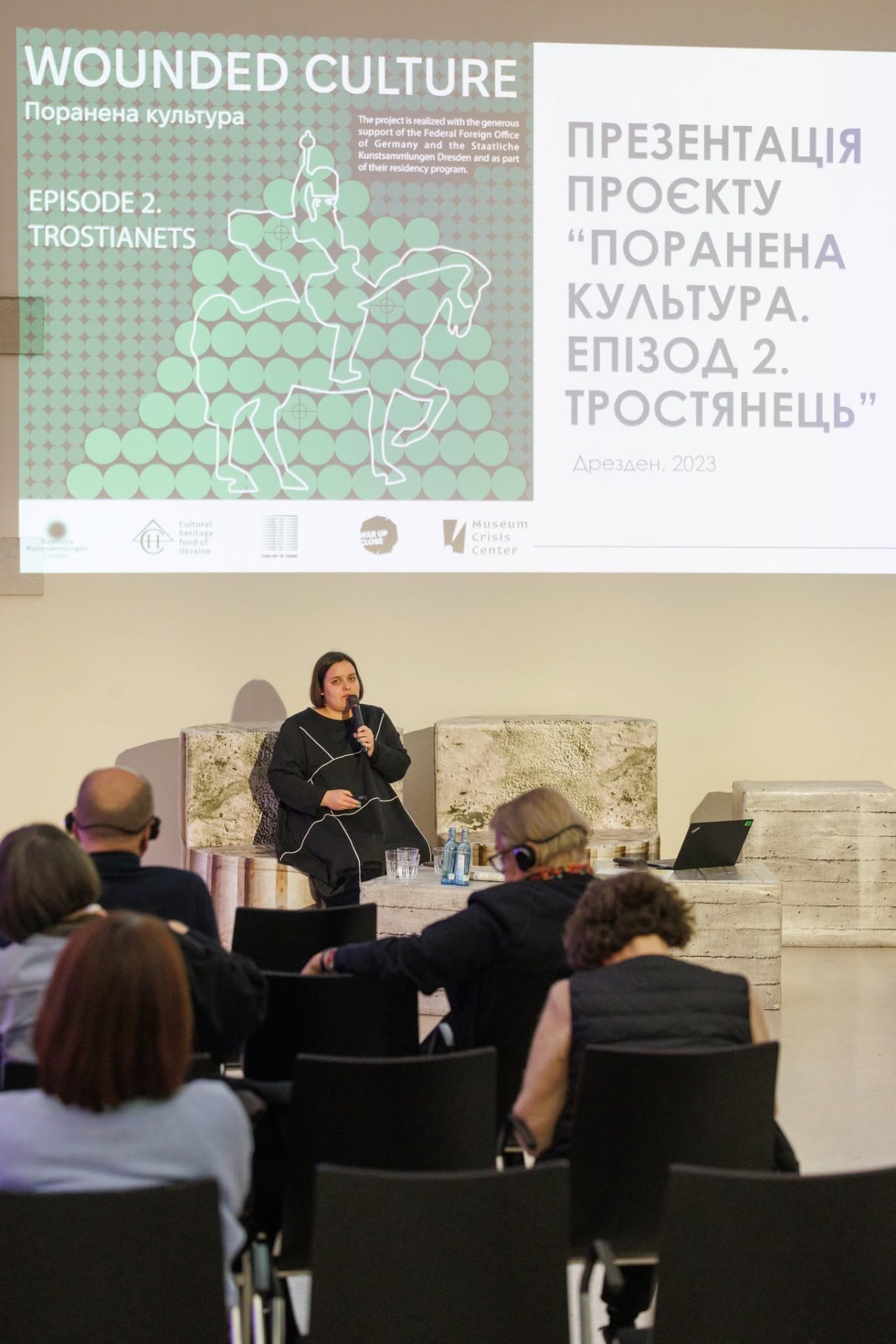
The project of the Cultural Heritage Foundation of Ukraine “Wounded Culture. Episode 2. Trostyanets” is implemented with the support of Staatliche Kunstsammlungen Dresden.