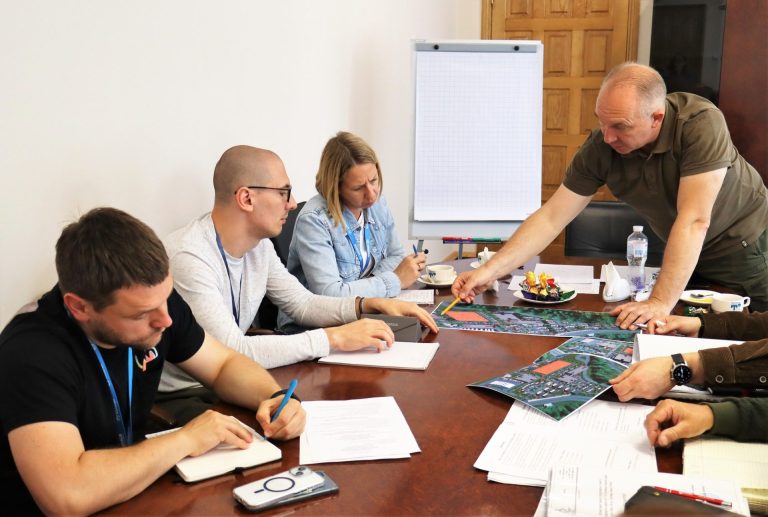

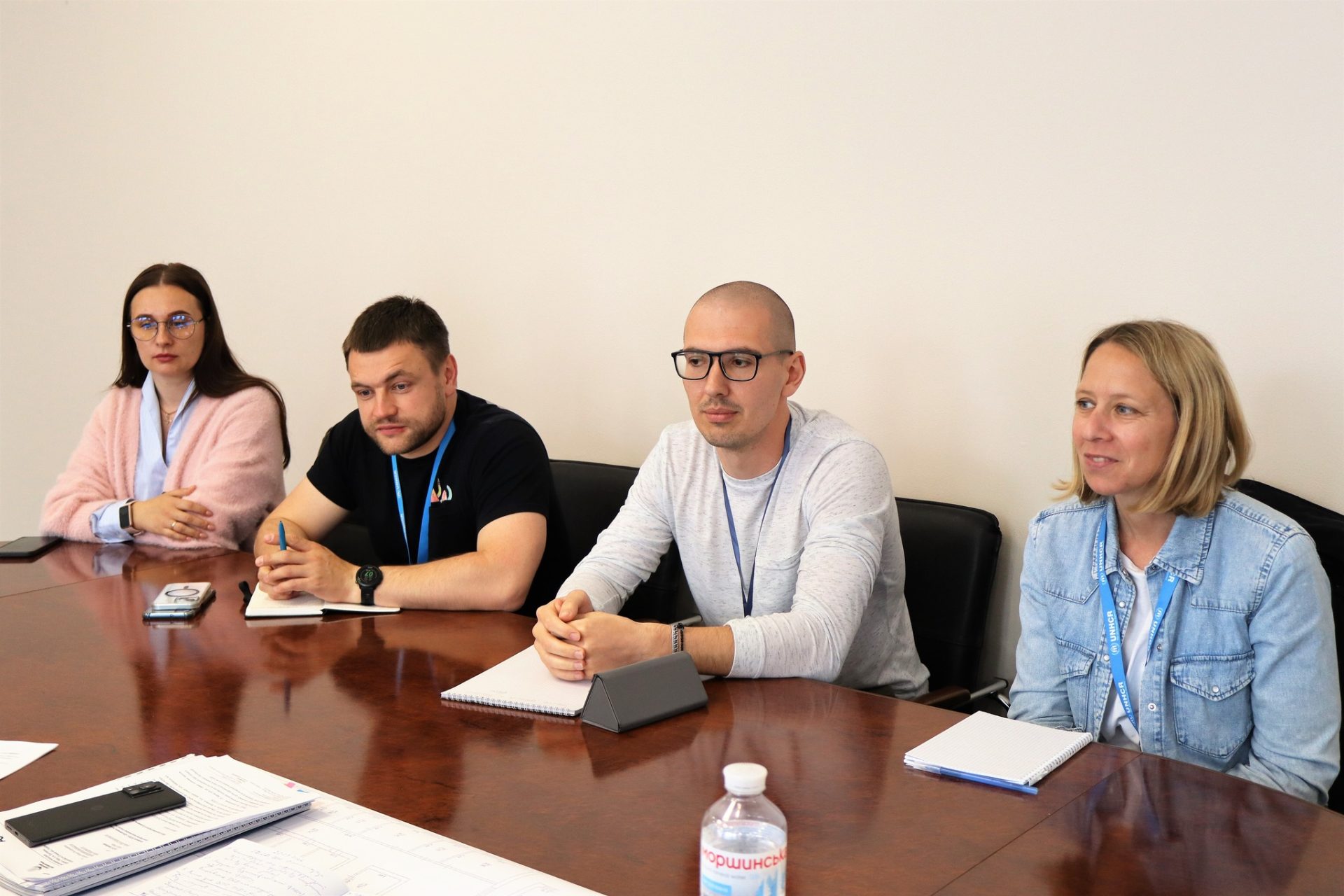
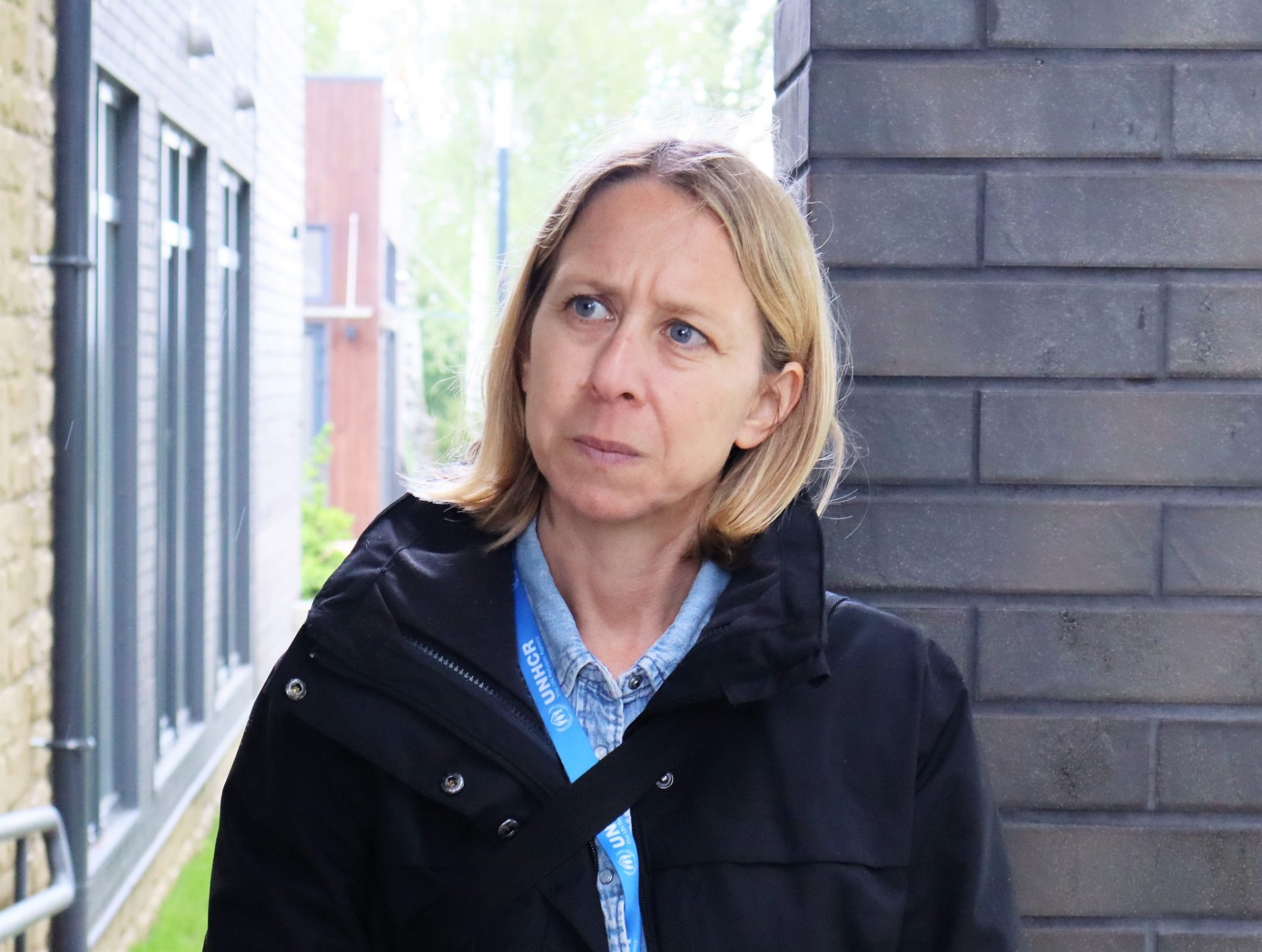
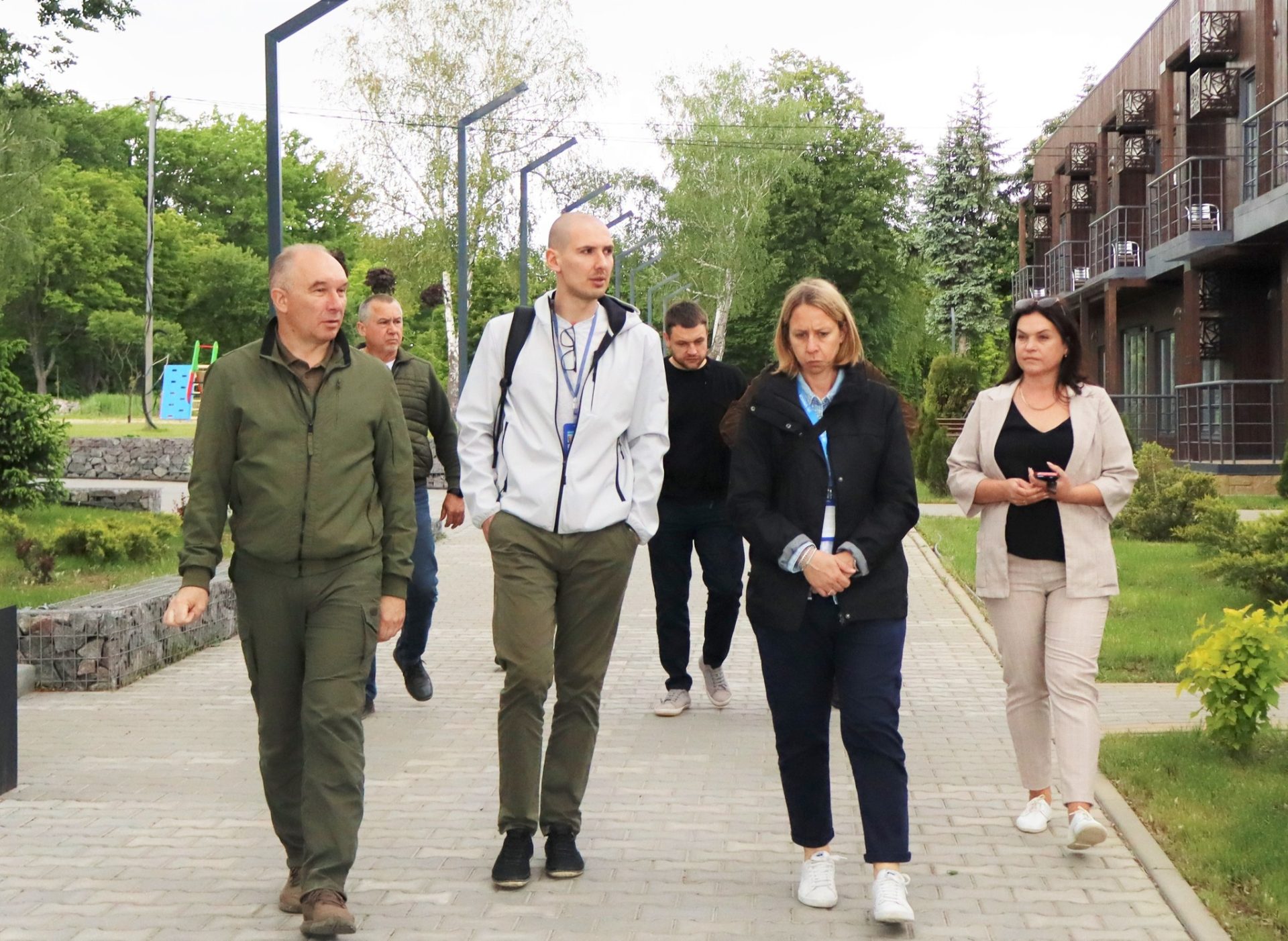
Representatives of the Office of the United Nations High Commissioner for Refugees (UNHCR), who are implementing programs to support the restoration of housing damaged by the war, paid a working visit to Trostyanets. The delegation was led by Claudia Nicoletti, Protection Advisor at the UNHCR office in Kharkiv. Representatives from the UNHCR office in Kharkiv also participated in the meeting.
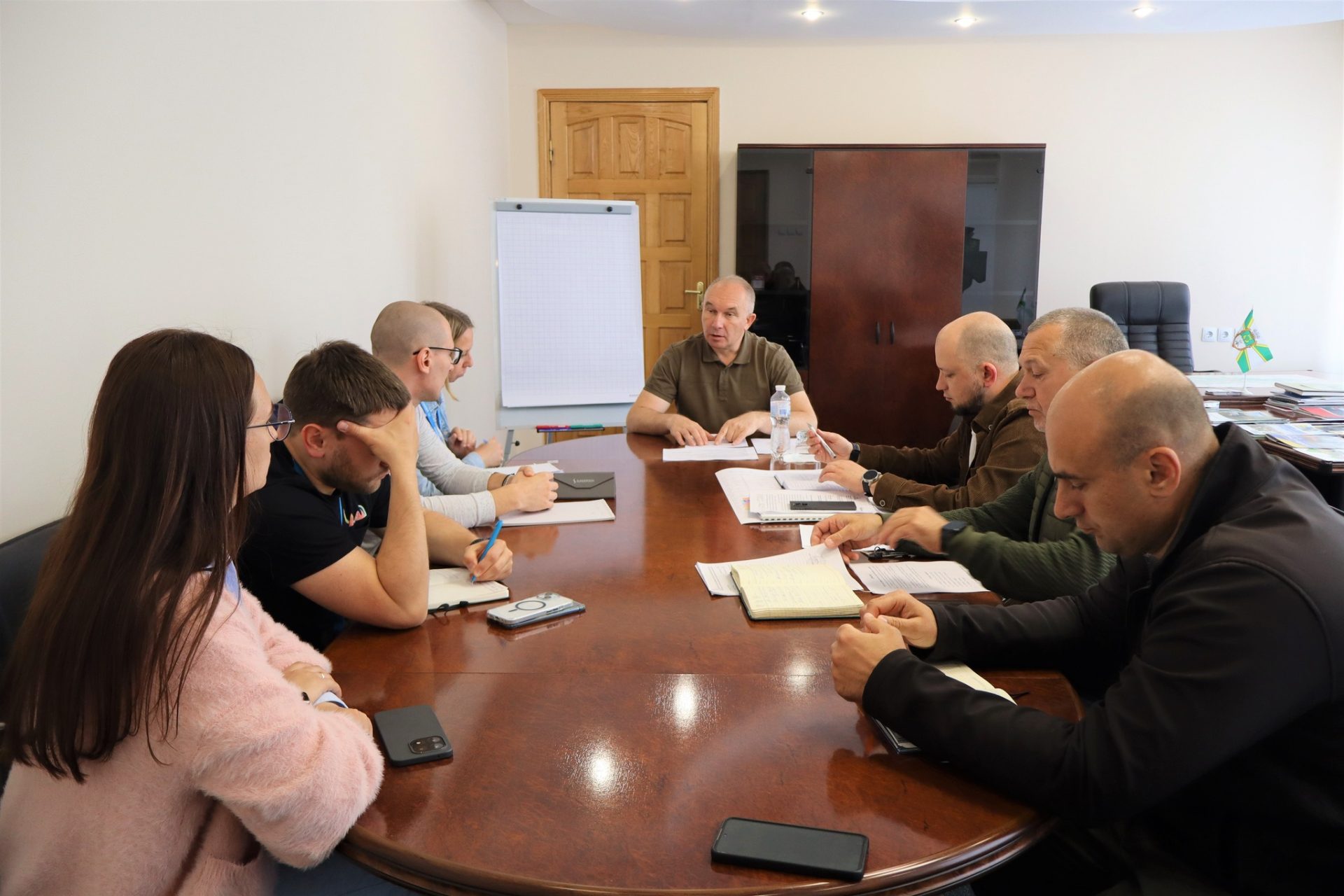
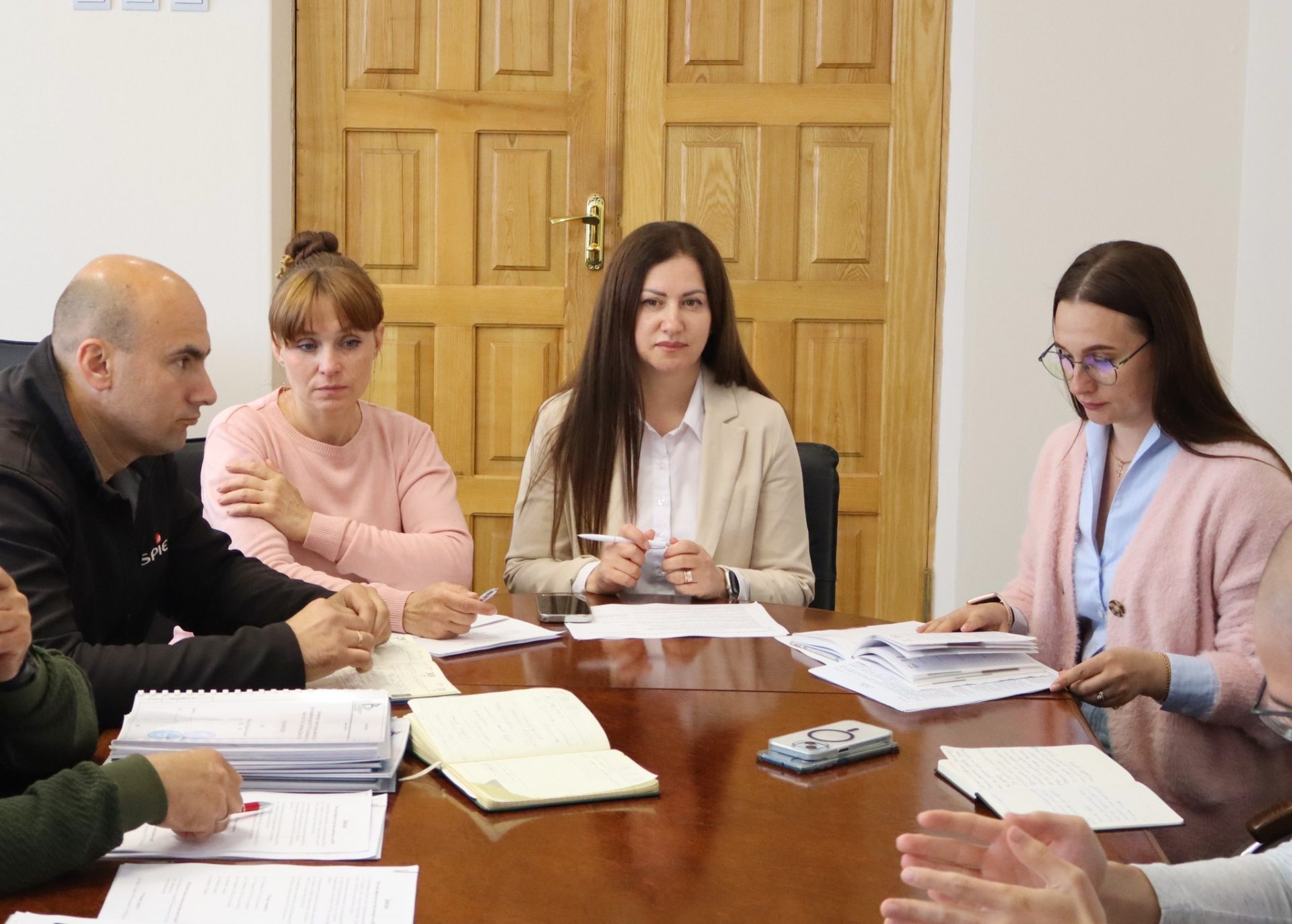
Representing the Trostyanets City Council at the meeting were Mayor Yuriy Bova, Secretary of the Trostyanets City Council Natalia Kovalyova, Executive Committee Administrator Alla Kostenko, Deputy Mayor Maksym Sinyavin, Head of the Capital Construction Department Viktor Nikonenko, Head of the Department of Housing and Communal Services, Construction, Urban Development, and Energy Management Oleksiy Kotko, and Head of the “Administrative Services Center” Department Bohdana Katrichenko.
During the meeting, the parties discussed the community’s current needs and possible areas for further cooperation. The main focus was on issues related to the restoration of housing infrastructure, the construction of shelters, support for internally displaced persons, and the implementation of socially important projects for community residents.
Yuriy Bova, the mayor of Trostyanets, noted that there is currently no shelter in the city center that could be used by visitors to the city council, the Administrative Services Center, the cultural services center, and the museum, as well as residents of nearby apartment buildings, during air raid alerts or shelling. One possible solution is to renovate the basement of the building at 12a Myru Street, which currently requires major repairs.
UNHCR representatives also visited the Administrative Services Center, where they discussed the need to establish a modern shelter. This would not only ensure the safety of visitors and staff but also guarantee the uninterrupted provision of administrative services even during air raid alerts.
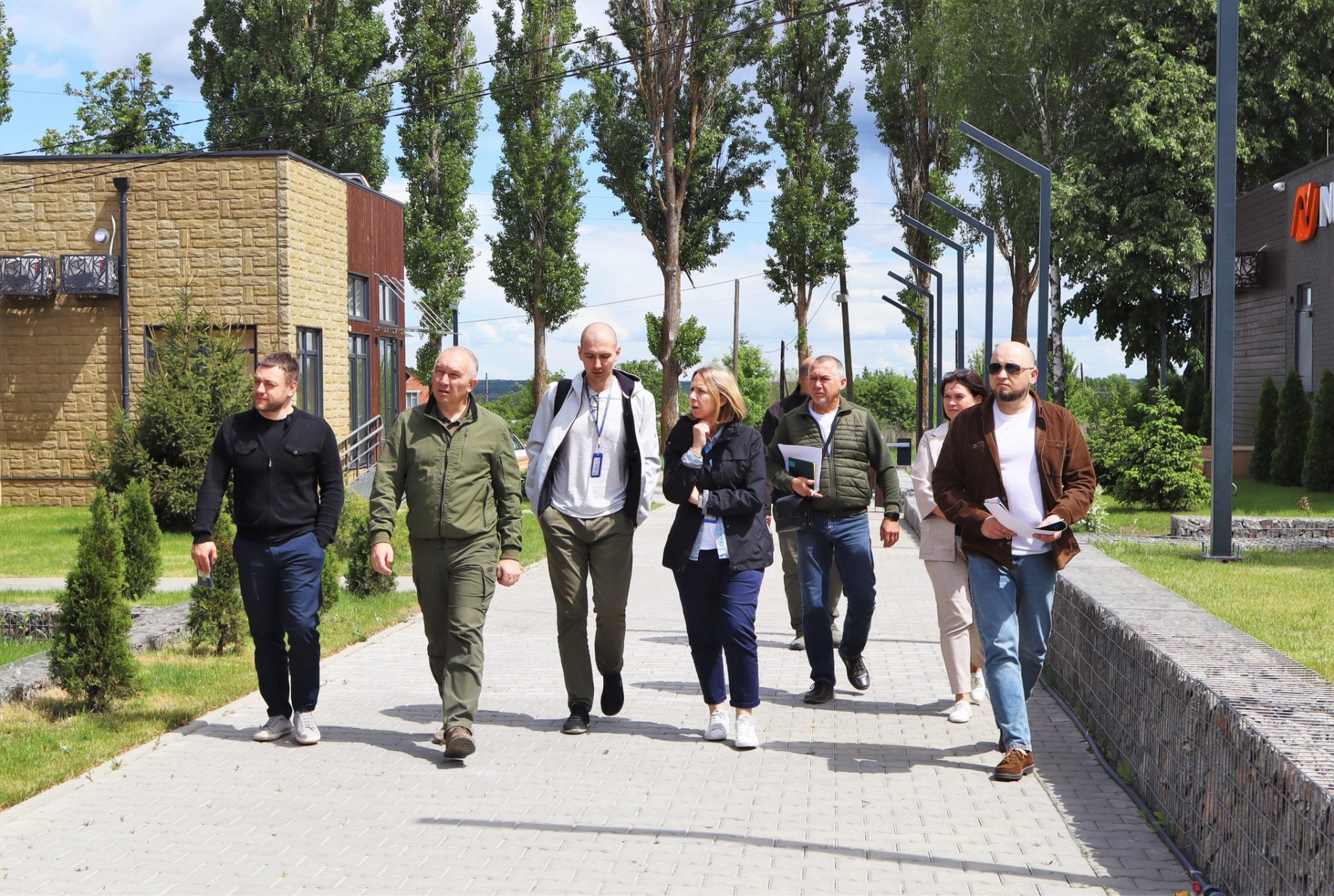
The delegation also visited the “Neskuchne” temporary accommodation center for internally displaced persons—a complex designed to house up to 100 people, where residential quarters, a dining hall, and an administrative building have already been constructed. People are currently living there, and plans are in place to build a large shelter with 100 beds. At the same time, as practice shows, displaced persons prefer to live in separate modular houses equipped with everything necessary for a comfortable life—heating, a kitchen, and a bathroom.
This center already has a positive example of this type of housing: one family has been living in a modular home, set up next to the residential building, for over a year; they have found jobs in the community and plan to stay here in the future. That is why the mayor invited UNHCR representatives to join the project to install several more such houses in the “Neskuchny” area. The advantage of this location is the proximity of a hospital, school, kindergarten, and other necessary infrastructure.
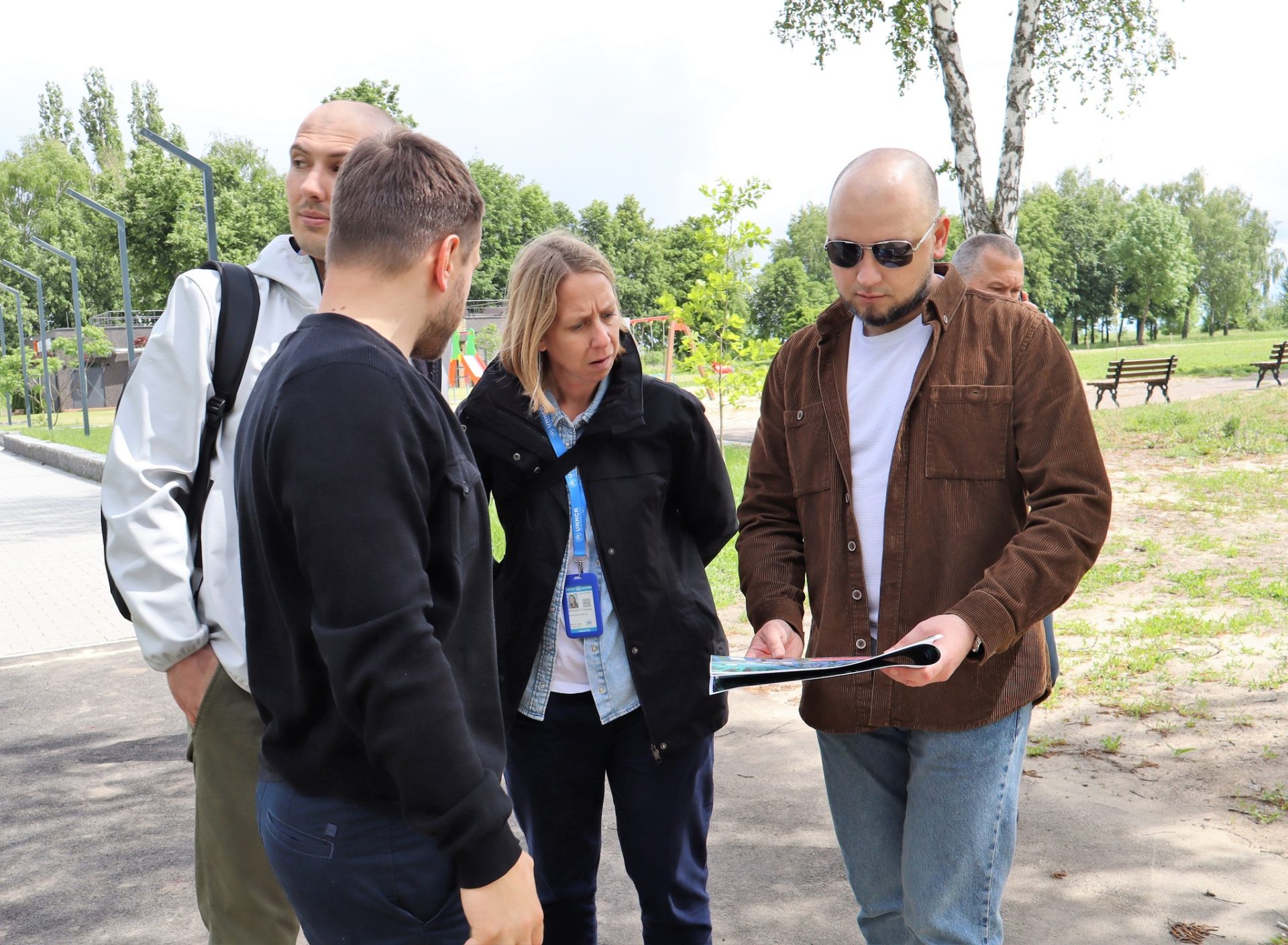
In addition, the delegation was presented with projects for the repair of residential buildings damaged during hostilities, the retrofitting and expansion of the “Unbreakable” Hub, the renovation of the social services center, and the reconstruction of the social dormitory.
UNHCR representatives noted that they would carefully review all proposed projects. Engineers from the organization plan to visit the community in the near future to conduct a detailed survey of the sites and determine the priority areas for assistance.
Summarizing the results of the meeting, Trostyanets’ Mayor Yuriy Bova noted:
“We discussed with the philanthropists opportunities for future cooperation: equipping shelters and the Administrative Services Center, setting up modular housing units at the ‘Neskuchne’ IDP settlement, and repairing damaged buildings, the social dormitory, and social service facilities. We are submitting our proposals for each project to the foundations and will work with the philanthropists to ensure that both our residents and IDPs have everything they need for a comfortable life.”
Following the discussion, the parties agreed on a continued partnership and specific steps for cooperation to benefit hromada’s residents.